Fast Food Laban
Fast Food Laban is a physicality exercise that applies Rudolf Laban's movement analysis framework at high speed. Performers rapidly cycle through Laban's effort categories -- Weight, Space, Time, and Flow -- shifting between their opposing qualities (strong/light, direct/indirect, sudden/sustained, bound/free) on the facilitator's call. The exercise develops physical range, body awareness, and familiarity with Laban vocabulary through kinesthetic practice rather than analytical study.
Structure
Setup
All performers stand in an open space. The facilitator should have familiarity with basic Laban effort pairs. No printed materials are necessary once the performers know the categories.
Progression
The facilitator calls a Laban quality and performers immediately embody it in their movement through space. After five to fifteen seconds, the facilitator calls the opposing quality or a new one, and performers shift without stopping.
The calls come rapidly -- three to five seconds apart at the most demanding pace -- forcing performers to change physical states before they have time to think. The fast pace prevents intellectual analysis and requires bodily response.
Categories typically used:
- Weight: Strong / Light
- Space: Direct / Indirect
- Time: Sudden / Sustained
- Flow: Bound / Free
Combinations can be called simultaneously ("Sudden and Light") as the group develops proficiency.
Conclusion
The exercise ends when the facilitator brings the group to a neutral state and debriefs briefly on what was discovered about each quality through doing rather than reading about it.
How to Teach It
Objectives
Fast Food Laban develops physical range, kinesthetic vocabulary, and the ability to shift movement quality rapidly on an external cue. It also democratizes Laban's framework -- making it accessible to performers who respond better to doing than to conceptual instruction.
How to Explain It
"I'm going to call a movement quality. Your body moves in that quality immediately -- don't think, just move. If you're not sure, guess and commit. The guessing is the work."
Scaffolding
Introduce one category at a time before mixing. Begin with Weight (Strong vs. Light) as the most physically intuitive pair. Once the group can shift each category reliably, begin combining them.
Common Pitfalls
Performers who have studied Laban formally sometimes slow down to perform the "correct" version of each quality rather than physically intuiting it. The coaching note is that this exercise is kinesthetic, not academic -- the goal is a felt shift in the body, not a demonstration of textbook knowledge.
Worth Reading
See all books →
Spontaneous Performance
Acting Through Improv
Marsh Cassady
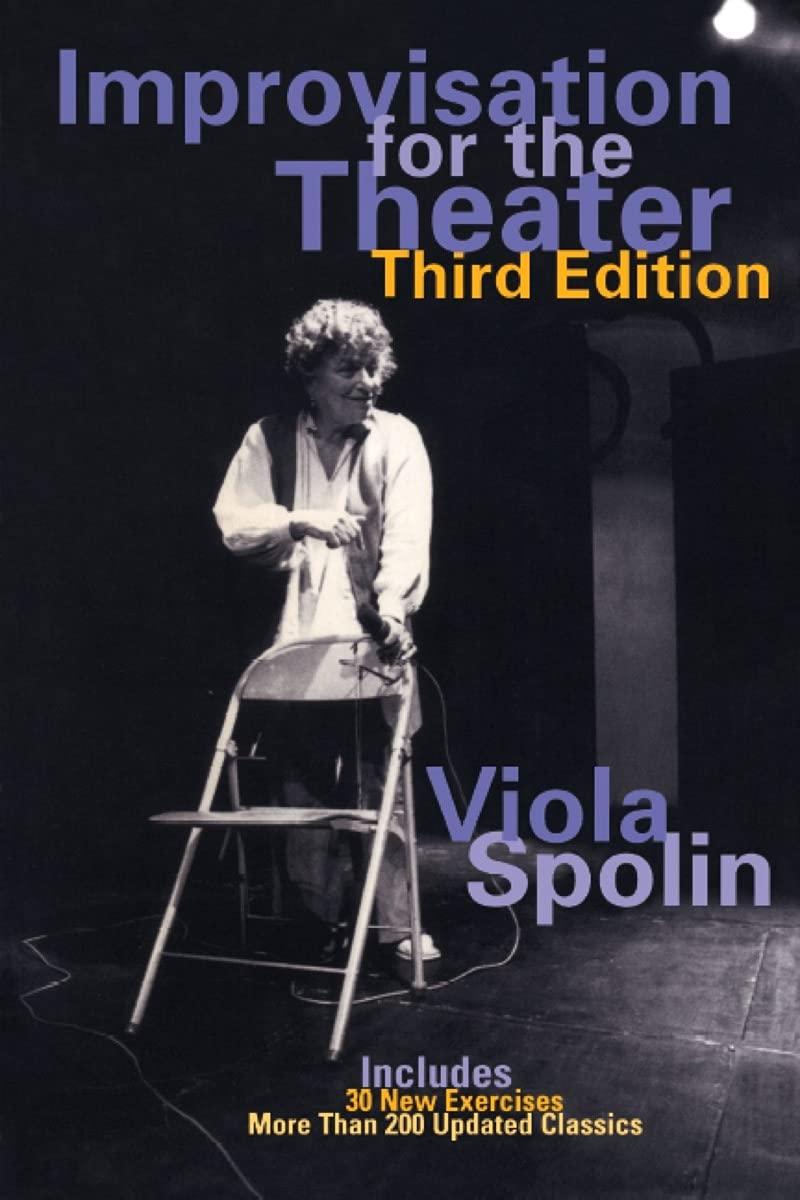
Improvisation for the Theater
A Handbook of Teaching and Directing Techniques
Viola Spolin

Action Theater
The Improvisation of Presence
Ruth Zaporah
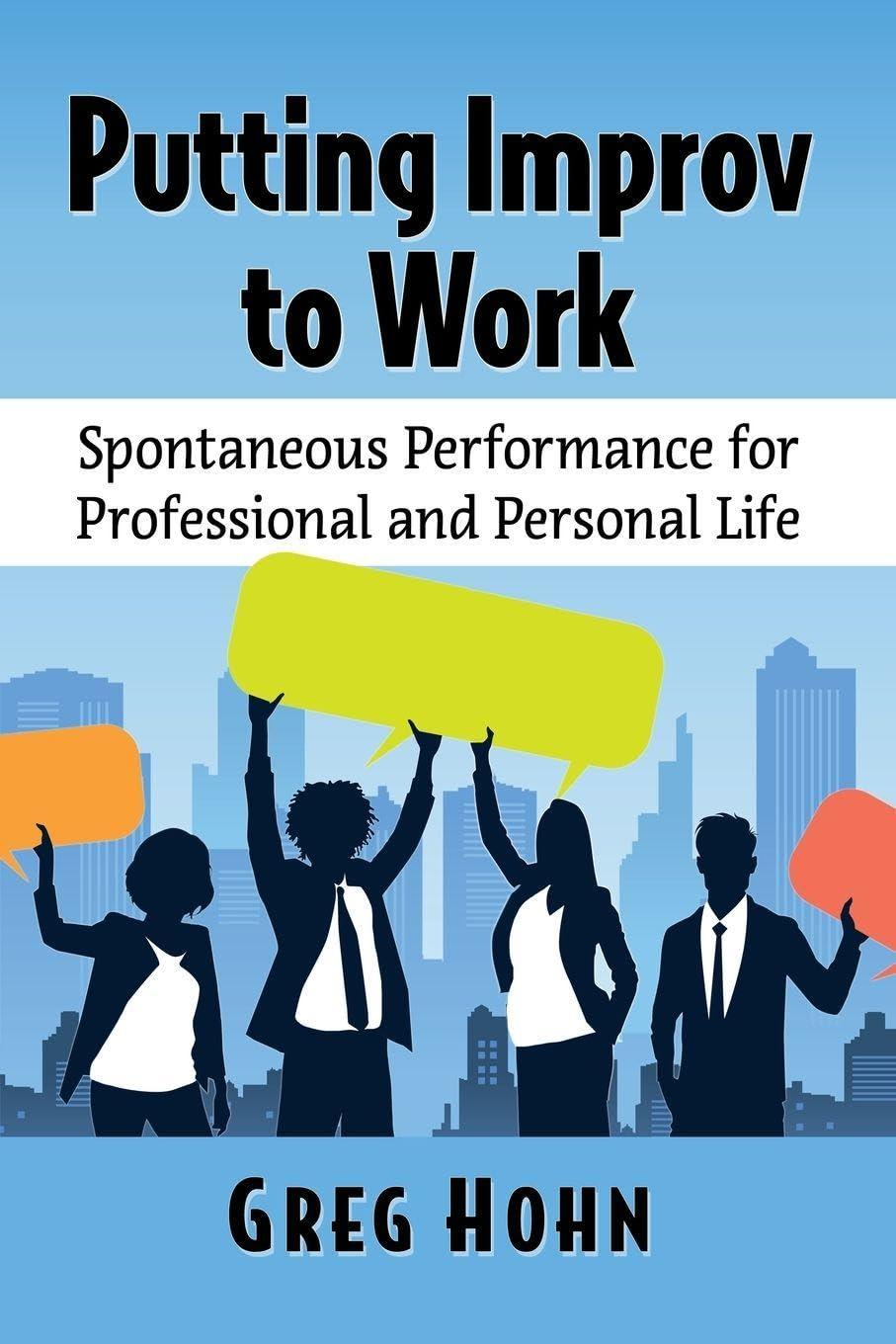
Putting Improv to Work
Spontaneous Performance for Leadership, Learning, and Life
Greg Hohn

Improvising Now
A Practical Guide to Modern Improv
Rob Norman

The Art of Making Sh!t Up
Using the Principles of Improv to Become an Unstoppable Powerhouse
Norm LaViolette; Bob Melley
Related Exercises
Fast Food Stanislawski
Fast Food Stanislavski is an exercise that applies Stanislavski's foundational acting techniques at high speed, requiring performers to cycle through his core tools -- given circumstances, objectives, obstacles, actions, and emotional memory -- as rapid-fire calls from the facilitator. The exercise makes Stanislavski's analytical framework kinesthetic, developing the ability to access these tools instantly rather than building them over extended rehearsal periods.
Lugares
Lugares is a scene-building exercise drawn from Spanish-language improv traditions in which the physical location ("lugar") is established as the primary creative force driving the scene. Characters and situations emerge from the performers' relationship to the space. The exercise trains environment-first scene work and demonstrates how place shapes behavior.
Janus Dance
Janus Dance is a physical awareness and space exercise named for the two-faced Roman god of transitions, in which participants move through the space while maintaining simultaneous awareness of what lies in front of them and behind them. The exercise trains the expanded spatial attention that performers need when navigating a stage populated by multiple scene partners, objects, and audience sightlines.
Meal
Meal is an applied improv exercise structured around the experience of sharing a meal -- real or imagined -- as a vehicle for group connection, honest conversation, and collaborative presence. The exercise uses the social ritual of eating together as a framework for lowering defensive barriers, encouraging personal disclosure, and building the interpersonal familiarity that applied improv programs often need to establish quickly at the start of a workshop or retreat.
Rubber Chicken/crazy Eights
Rubber Chicken/Crazy Eights is a high-energy warm-up exercise in which players perform a sequence of increasingly intense physical movements while counting down from eight. The exercise combines vocal projection, full-body movement, and group synchronization to energize the ensemble and break through physical inhibitions.
Energy 1-10
Energy 1-10 is a calibration exercise in which a facilitator calls out a number from one to ten and performers immediately adjust their physical energy level to match. One is nearly motionless; ten is maximum sustainable physical exertion. The exercise trains rapid energy responsiveness, the ability to modulate physical commitment on command, and ensemble awareness of shared energy levels during warm-up.
How to Reference This Page
The Improv Archive. (2026). Fast Food Laban. Retrieved September 29, 2026, from https://improvarchive.org/exercises/fast-food-laban
The Improv Archive. "Fast Food Laban." The Improv Archive, 2026. https://improvarchive.org/exercises/fast-food-laban.
The Improv Archive. "Fast Food Laban." The Improv Archive, 2026, https://improvarchive.org/exercises/fast-food-laban. Accessed September 29, 2026.
The Improv Archive is a systemically maintained repository. The archive itself acts as the corporate author.