Flatmates Just Do Nothing
Flatmates Just Do Nothing is a scene exercise in which performers play roommates engaged in completely mundane, low-stakes activity -- watching television, eating cereal, folding laundry -- with no dramatic agenda imposed from outside. The exercise trains the ability to be fully present in an ordinary moment, to find authentic relationship texture in ordinary behavior, and to trust that genuine connection and specificity are sufficient engines for scene without the need for conflict or event.
Structure
Setup
Two to three performers establish a shared domestic space. No special staging is required. Props can be mimed or actual. The facilitator gives the minimal instruction: be at home doing nothing in particular.
Progression
Performers simply inhabit the space together, doing small domestic tasks or simply existing in proximity. There is no inciting incident, no dramatic problem to solve. The performers talk, are quiet, interact obliquely, or exist in comfortable or uncomfortable silence -- whatever is true in the moment.
The facilitator watches for the specific texture of the relationship to emerge from the small behavior: who takes more space, who speaks first, how they share, what goes unsaid. The exercise may last five to ten minutes without any external coaching.
Conclusion
The facilitator stops the scene and debriefs what was observed -- what the relationship between these specific people revealed itself to be, and where the scene's truth lived.
How to Teach It
Objectives
Flatmates Just Do Nothing targets presence, authentic relationship expression, and the ability to resist the impulse to manufacture dramatic events. The exercise directly addresses the improvisational impulse to add conflict or event rather than trust the people onstage.
How to Explain It
"Nothing has to happen. You're just home. Be with each other in that."
Scaffolding
This exercise works best with ensembles who have developed some basic scene vocabulary and are ready to challenge their reliance on event-driven story. It is less appropriate as a first scene exercise and more useful as a corrective for groups who are avoiding the present moment by chasing plot.
Common Pitfalls
Performers almost always introduce a conflict within the first minute -- they cannot sustain the absence of event. The coaching note is not to forbid conflict, but to notice the impulse: the moment a dramatic move is introduced, freeze the scene and ask the performer what just happened in them that made that necessary.
Worth Reading
See all books →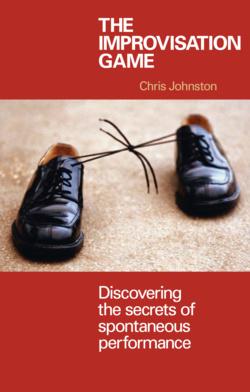
The Improvisation Game
Discovering the Secrets of Spontaneous Performance
Chris Johnston
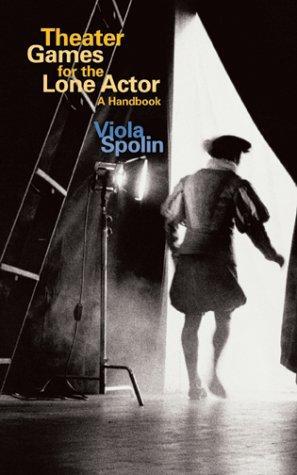
Theater Games for the Lone Actor
Viola Spolin
Theater Games for Rehearsal
Viola Spolin
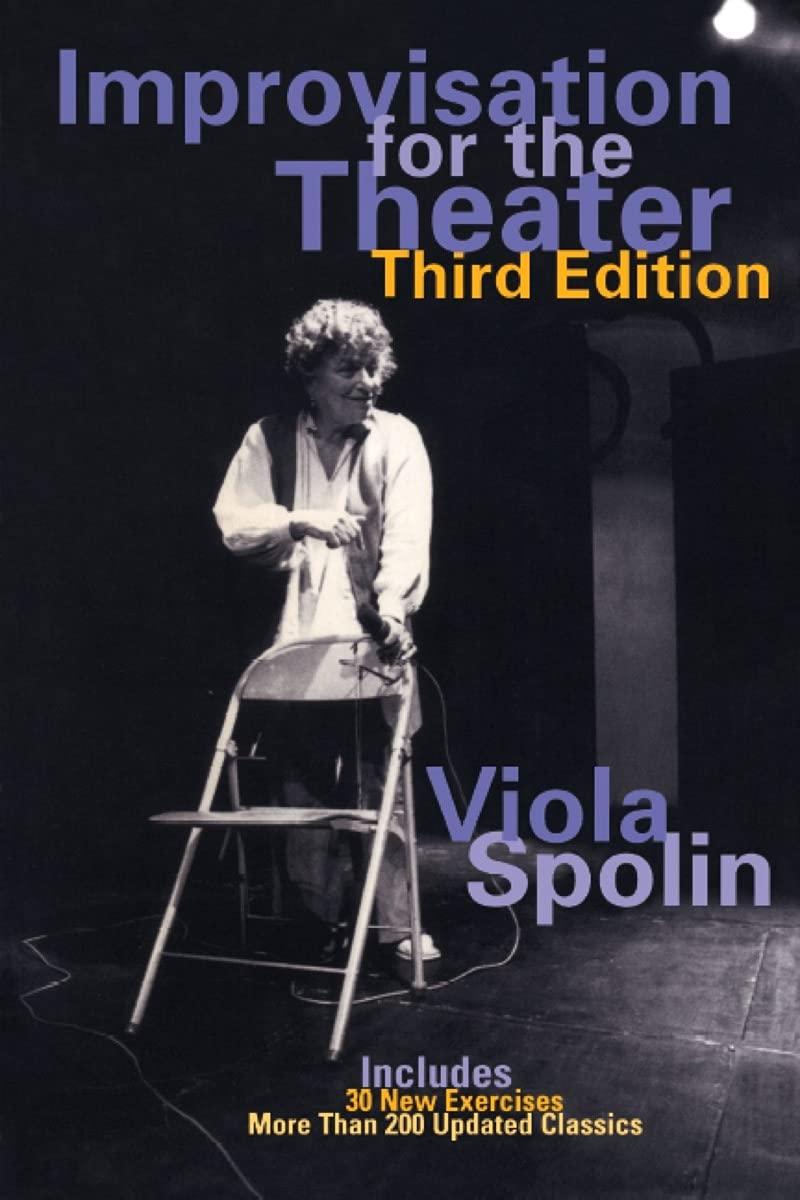
Improvisation for the Theater
A Handbook of Teaching and Directing Techniques
Viola Spolin

The Young Actor's Book of Improvisation
Dramatic Situations
Sandra Caruso; Susan Kosoff

Something from Nothing
The Technique of Improvisation
Richard Goteri
Related Exercises
Boring Scenes Circle
Boring Scenes Circle is a training exercise in which players deliberately perform the most mundane, uneventful scenes they can. By stripping away the instinct to be clever or dramatic, the exercise reveals that strong characters, honest relationships, and genuine listening create compelling stage work regardless of plot. It builds trust in simplicity.
Performance of an Audience
Performance of an Audience is an applied improvisation exercise that explores the reciprocal relationship between performer and spectator. Participants experience both roles, discovering how the quality of attention an audience gives shapes the performer's experience and how conscious, engaged witnessing differs from passive spectating. The exercise builds awareness that presence and attention are active contributions to any group interaction.
Play Date
Play Date is an applied improvisation exercise in which participants engage in unstructured play together, rediscovering the value of spontaneity, curiosity, and shared joy. The exercise removes the pressure of productivity and invites adults to reconnect with the generative power of purposeless play.
Without Words
Without Words is a scene exercise in which performers play scenes using sounds, gibberish, or silence instead of coherent language. The constraint forces communication through emotional tone, physicality, spatial relationship, and vocal texture rather than words. The exercise demonstrates that language is only one channel of theatrical communication and develops performers' physical and vocal expressiveness.
Non Sequitor
Non Sequitur is a hybrid game and exercise in which performers deliberately break logical connections between lines of dialogue, forcing each new statement to have no apparent relationship to the one before it. The exercise trains performers to let go of the need to make sense, builds comfort with absurdity, and paradoxically reveals how audiences will construct meaning even from disconnected material.
Lets Not
Let's Not is a scene-work exercise in which performers practice recognizing and resisting the impulsive move -- the immediate next step that seems obvious after an offer is made -- and instead exploring what already exists in the scene before building further. The exercise counters the improv tendency to pile offer onto offer and trains performers to dwell productively in established scene reality.
How to Reference This Page
The Improv Archive. (2026). Flatmates Just Do Nothing. Retrieved September 29, 2026, from https://improvarchive.org/exercises/flatmates-just-do-nothing
The Improv Archive. "Flatmates Just Do Nothing." The Improv Archive, 2026. https://improvarchive.org/exercises/flatmates-just-do-nothing.
The Improv Archive. "Flatmates Just Do Nothing." The Improv Archive, 2026, https://improvarchive.org/exercises/flatmates-just-do-nothing. Accessed September 29, 2026.
The Improv Archive is a systemically maintained repository. The archive itself acts as the corporate author.