Simple Continuation
Simple Continuation is a scene exercise in which a facilitator starts a scene with a basic premise and the performers continue from that point, practicing the skill of receiving an offer and building on it without the pressure of initiating from scratch.
Structure
Setup
The facilitator provides an opening line, a situation, or the first few beats of a scene. This might be as simple as "You are two neighbors and one of you just found out the other has been stealing your newspaper" or as specific as a delivered opening line that the first performer must respond to.
Continuation
The performers pick up exactly where the facilitator's setup leaves off and play the scene forward. They do not restart, reframe, or question the premise. They accept what has been given and build on it. The exercise focuses entirely on the skill of continuing: taking what exists and moving it forward.
Development
As the scene progresses, the facilitator may offer additional coaching from the side. This might include encouragement to heighten an emerging dynamic, to slow down and listen, or to explore the relationship more deeply. The scene continues until the facilitator calls it or the performers find a natural ending.
Multiple Rounds
The facilitator provides different setups for multiple pairs, varying the complexity and emotional register. Some setups are lighthearted, others dramatic, and others deliberately ambiguous. This range shows performers that the skill of continuation applies regardless of genre or tone.
Variations
A tag-out version has performers rotate into the scene, each continuing from where the previous performer left off with the same character. A written version uses index cards with pre-written opening lines that performers draw at random.
How to Teach It
Objectives
Simple Continuation isolates the skill of building on an existing offer, removing the anxiety of initiation. It trains performers to listen, accept, and advance rather than planning or controlling. The exercise is particularly valuable for beginners who struggle with the blank-slate pressure of starting scenes.
How to Explain It
"I will give you the beginning of a scene. Your job is to continue it. Do not restart. Do not change the premise. Just take what I give you and keep going."
Scaffolding
Begin with setups that have clear emotional stakes and obvious directions for development. A setup like "You just found out your best friend is moving away" gives performers a clear emotional platform to build on. Avoid abstract or overly clever setups that require performers to puzzle out the premise before they can continue.
Common Pitfalls
Performers sometimes treat the facilitator's setup as a suggestion rather than a given, reinterpreting or redirecting the scene away from the established premise. The exercise specifically trains the discipline of accepting and building. Another pitfall is performers who continue the scene mechanically, advancing the plot without engaging emotionally with the characters or relationship.
Worth Reading
See all books →
Improvisation Starters
A Collection of 900 Improvisation Situations for the Theater
Philip Bernardi
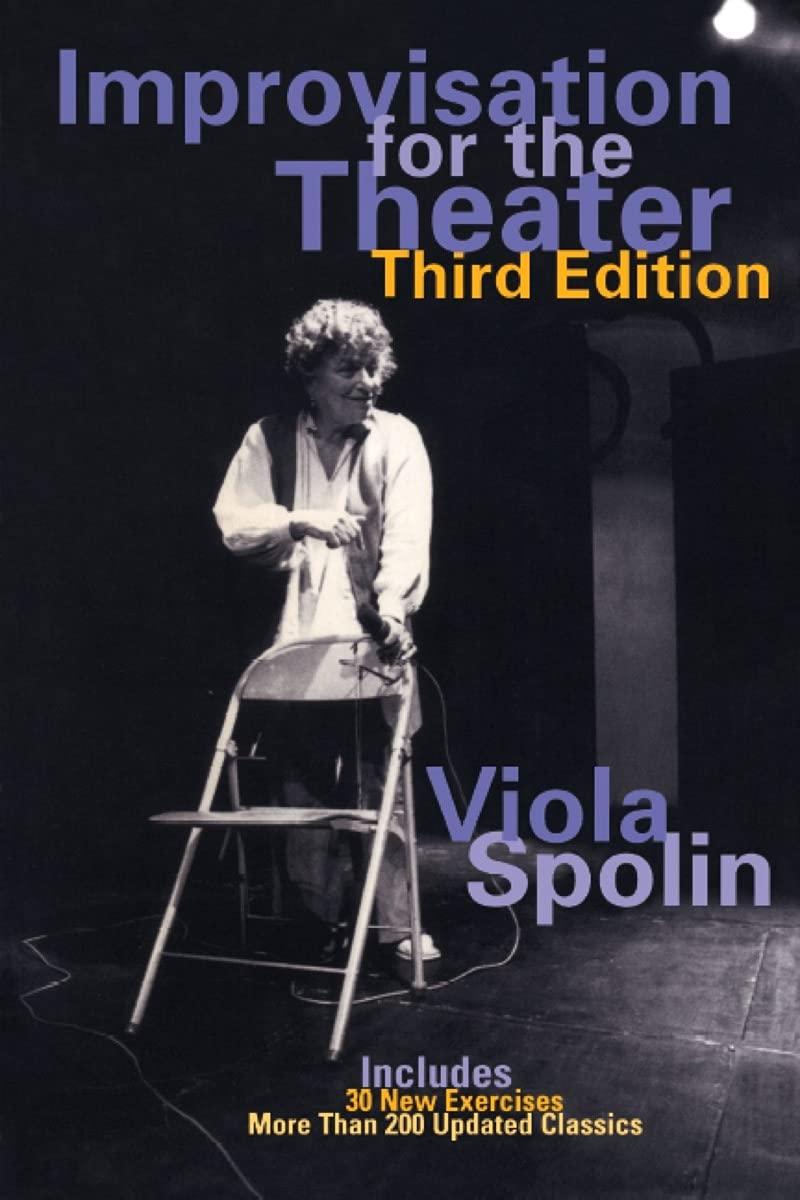
Improvisation for the Theater
A Handbook of Teaching and Directing Techniques
Viola Spolin

Improvising Now
A Practical Guide to Modern Improv
Rob Norman

Playing Along
37 Group Learning Activities Borrowed from Improvisational Theater
Izzy Gesell
Theater Games for Rehearsal
Viola Spolin
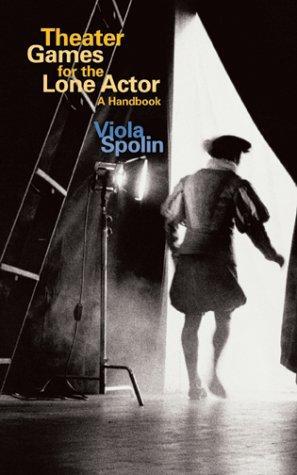
Theater Games for the Lone Actor
Viola Spolin
Related Exercises
Scene Repeater
Scene Repeater is an exercise in which performers replay the same scene multiple times with different constraints, adjustments, or stylistic shifts each round. The repetition reveals how changing a single variable transforms the entire scene, developing versatility and deepening understanding of scene mechanics.
Move On
Move On is a scene exercise in which a facilitator calls out the directive to prompt performers to abandon their current scene beat and transition immediately to a new choice. The call forces performers to leave comfortable territory and advance the scene rather than circling the same material. The exercise builds editorial instincts about when a moment has been fully explored and trains the habit of moving forward rather than sideways. It develops the internal sense of pacing that distinguishes dynamic scene work from repetitive scene work.
Advancing and Expanding
Advancing and Expanding is a scene technique exercise in which players practice the dual skills of moving a narrative forward and deepening the current moment. A caller instructs performers to either advance the plot or expand on the present beat with more detail and emotion. The exercise builds the storytelling instinct for when to push forward and when to linger.
Continuing Emotions
Continuing Emotions is a scene game in which performers cycle through a series of emotional states at the direction of a caller. Each emotional shift must be justified within the scene's reality rather than simply displayed, with characters finding a reason to feel the new state given what has just happened. The game trains emotional range, commitment, and the ability to sustain scene logic through rapid change.
Copy Line
Copy Line is a scene exercise in which one performer repeats back the exact words their partner just said before delivering their own new line. The mandatory echo forces performers to genuinely hear what was said before responding, building the habit of listening-before-speaking and preventing the common improv drift of planning the next line while the partner is still talking.
How to Reference This Page
The Improv Archive. (2026). Simple Continuation. Retrieved September 28, 2026, from https://improvarchive.org/exercises/simple-continuation
The Improv Archive. "Simple Continuation." The Improv Archive, 2026. https://improvarchive.org/exercises/simple-continuation.
The Improv Archive. "Simple Continuation." The Improv Archive, 2026, https://improvarchive.org/exercises/simple-continuation. Accessed September 28, 2026.
The Improv Archive is a systemically maintained repository. The archive itself acts as the corporate author.