I’m Watching You Watching Me
I'm Watching You Watching Me is a presence and dual-awareness exercise in which performers practice maintaining active attention on another person while simultaneously remaining conscious of being observed themselves. The exercise trains stage presence by requiring performers to hold two layers of awareness at once -- genuine engagement with a scene partner and a live connection to the audience or room.
Structure
Setup
Participants stand in pairs facing each other, or in a single large circle facing inward. Each participant is designated as both a watcher and a subject of observation.
Progression
Participants make and maintain eye contact with their partner. The facilitator guides the group to become aware of the following simultaneously: they are watching their partner with genuine attention, and they are themselves being watched. Neither layer of awareness should crowd out the other.
The facilitator may introduce a slow physical walk through the space in which participants must maintain awareness of multiple observers across the room while staying connected to one primary partner or object of focus.
Conclusion
The exercise concludes when participants can sustain dual awareness for an extended period without dropping either layer -- neither drifting into performance mode (performing for the watcher only) nor hiding (focused only inward on the partner).
How to Teach It
Objectives
I'm Watching You Watching Me trains the dual consciousness that experienced performers describe as being fully in the scene while simultaneously aware of the audience. It addresses the common split between performers who go so deeply internal that they lose the room and performers who play so outward that they lose genuine scene connection.
How to Explain It
"Hold two things at once: really see the person in front of you -- what they're doing, how they're moving, what they're expressing -- and at the same time, know that someone is watching you. Don't let one push out the other. Both things are true at the same time."
Scaffolding
Begin with stationary pairs before introducing movement. Give participants language to name what they notice: what is their default? Do they usually collapse into their partner or expand outward toward the room? The exercise is diagnostic as much as it is training.
Common Pitfalls
Most participants default to one mode: either losing themselves in observation and forgetting they are performers, or entering a self-watching loop that pulls them out of genuine contact. Coach the group to notice the shift without judging it and to gently restore both layers of attention.
Worth Reading
See all books →
Action Theater
The Improvisation of Presence
Ruth Zaporah
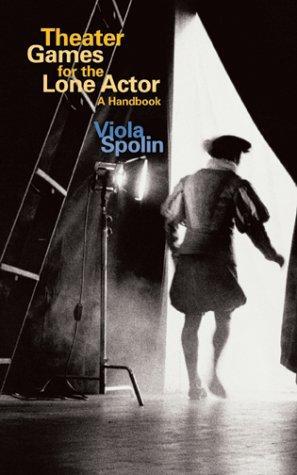
Theater Games for the Lone Actor
Viola Spolin

Theatrical Improvisation, Consciousness, and Cognition
Clayton D. Drinko

Mask Improvisation for Actor Training and Performance
the compelling image
Sears A. Eldredge
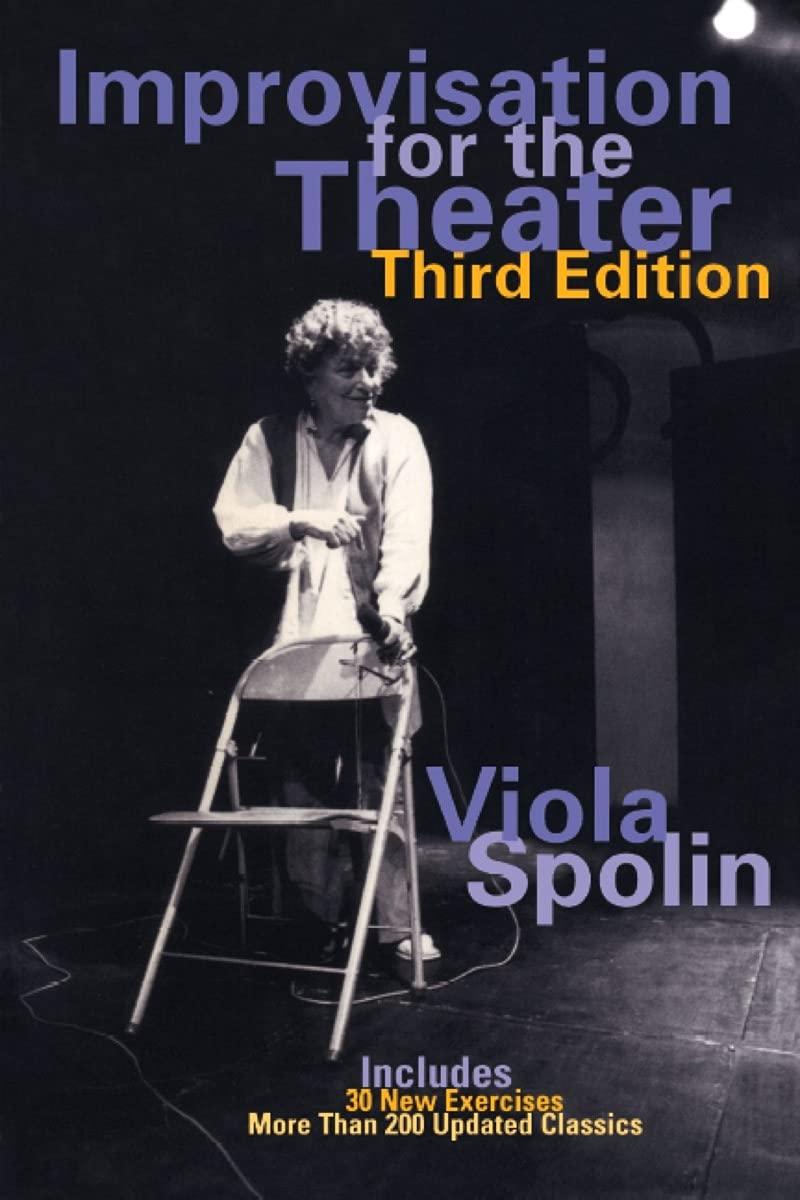
Improvisation for the Theater
A Handbook of Teaching and Directing Techniques
Viola Spolin
Theater Games for Rehearsal
Viola Spolin
Related Exercises
Observe
Observe is an applied improvisation exercise in which participants practice deliberate, sustained observation of their environment, other people, or a group dynamic without intervening, interpreting, or acting. The exercise trains the foundational skill of seeing clearly before responding -- a capacity that underpins effective leadership, facilitation, and collaborative work.
Learn to Be Looked At
Learn to Be Looked At is an applied improv exercise in which participants practice being the subject of others' attention without deflecting, performing, or withdrawing. The exercise addresses the discomfort most people feel when held in a sustained gaze and trains the capacity to remain present, open, and grounded while being observed -- a foundational skill for anyone who presents, leads, or regularly holds attention in professional or public settings.
Performance of an Audience
Performance of an Audience is an applied improvisation exercise that explores the reciprocal relationship between performer and spectator. Participants experience both roles, discovering how the quality of attention an audience gives shapes the performer's experience and how conscious, engaged witnessing differs from passive spectating. The exercise builds awareness that presence and attention are active contributions to any group interaction.
Night Watch
Night Watch is an applied improvisation exercise in which participants practice sustained, deliberate observation of a space, a group, or a situation over an extended period, developing the capacity to notice subtle changes, emerging patterns, and details that others overlook. The exercise cultivates the quiet, steady attentiveness that underpins effective leadership, facilitation, and situational awareness.
Mirror/Follow the Follower
Mirror Follow the Follower is an applied improv mirror exercise in which two participants begin by mirroring each other without a designated leader, then allow leadership to shift organically as the mirror deepens. The exercise trains simultaneous attention and response, the release of the need to control group direction, and the experience of shared movement that arises when both participants follow rather than either one leading.
Jeepers Peepers
Jeepers Peepers is a sustained eye contact exercise in which participants practice maintaining direct, unbroken eye contact with one partner for an extended period. The exercise works with the discomfort most people feel when held in a steady gaze and trains performers to remain present and available in the most intimate and demanding form of on-stage connection.
How to Reference This Page
The Improv Archive. (2026). I’m Watching You Watching Me. Retrieved September 28, 2026, from https://improvarchive.org/exercises/im-watching-you-watching-me
The Improv Archive. "I’m Watching You Watching Me." The Improv Archive, 2026. https://improvarchive.org/exercises/im-watching-you-watching-me.
The Improv Archive. "I’m Watching You Watching Me." The Improv Archive, 2026, https://improvarchive.org/exercises/im-watching-you-watching-me. Accessed September 28, 2026.
The Improv Archive is a systemically maintained repository. The archive itself acts as the corporate author.