You
You is a circle exercise in which players point at another person and say "you," passing focus around the group with clear eye contact and decisive gestures. The exercise trains the habit of making specific, committed choices about who receives an offer. It builds directness and the ability to give and receive attention cleanly.
Structure
Setup
- Players stand in a circle or spread through the space.
- The exercise uses a single word: "you."
- Players pass the word to each other using clear eye contact and a decisive pointing gesture.
The Exercise
- One player makes eye contact with another player across the circle or space.
- When they have that player's full attention, they say "you" and point.
- The receiving player accepts the "you" with a clear acknowledgment (a nod, a sound, their own "yes") and then passes it to a new player.
- The exercise runs continuously until the facilitator ends it.
What the Exercise Trains
- The habit of making specific, committed choices about who receives an offer.
- Full eye contact as a prerequisite for passing focus.
- The ability to give and receive attention cleanly: without hedging, without looking away, without ambiguity.
- The understanding that unclear offers in scenes create confusion the scene partner must resolve.
Variations
- Pairs up: one player says "you" and points, the other must immediately begin a scene initiation toward that person.
- The word changes: any word or phrase becomes the passing object, training the same specificity with more complex content.
- Blindfolded: players use vocal rather than visual attention-getting before pointing.
How to Teach It
How to Explain It
"Find someone's eyes before you say 'you.' Get them. Then say it. Then point. They receive it, they pass it. The word isn't the point. The attention behind it is. When you say 'you,' the person you're saying it to should feel it."
Common Notes
- Players who say "you" while looking for someone to say it to have not met the exercise's requirement. The eye contact comes first.
- The receiving player should acknowledge the "you" fully before passing it. An immediate re-pass without acknowledgment breaks the chain of attention.
- The exercise reveals how much most players avoid direct, committed attention. Coach this directly.
Common Pitfalls
- Players aim "you" at the room rather than at a specific person.
- The receiving player is not tracking the space and misses their moment.
- Players rush through the exercise without genuine eye contact, treating it as a mechanical relay.
Worth Reading
See all books →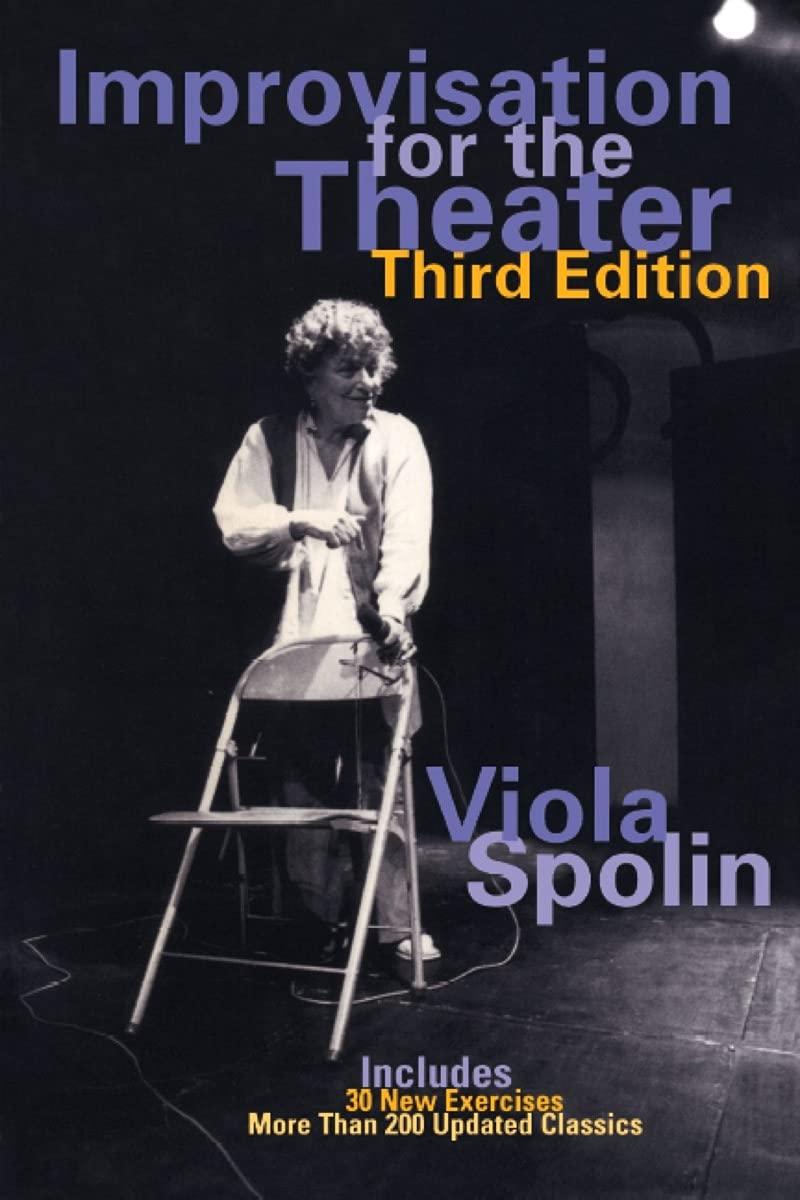
Improvisation for the Theater
A Handbook of Teaching and Directing Techniques
Viola Spolin

Business Improv
Experiential Learning Exercises to Train Employees
Val Gee
Theater Games for Rehearsal
Viola Spolin

You Can Teach Improv (Yes, You!)
The Ultimate Guide to Class Planning, Skill Building, and Helping Every Student Leave With a Win
Andrew Berkowitz
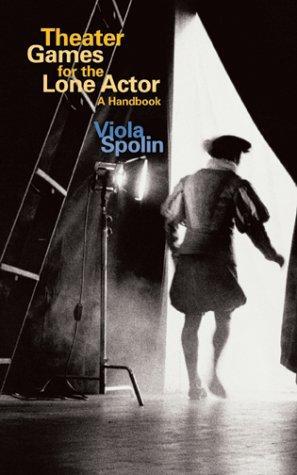
Theater Games for the Lone Actor
Viola Spolin

Playing Along
37 Group Learning Activities Borrowed from Improvisational Theater
Izzy Gesell
Related Exercises
Hello
Hello is a simple greeting exercise in which players practice making contact through the single word "hello," varying their delivery to express different emotions, characters, and relationships. The exercise demonstrates the range of meaning a single word can carry. It builds vocal variety and the ability to communicate intention through tone.
Pass the Clap
Pass the Clap is a focus exercise in which players pass a synchronized clap around a circle through eye contact alone. Two players coordinate to clap at precisely the same moment, producing a single unified sound that travels from person to person. The exercise trains nonverbal communication, attentiveness, and the ability to match a partner's timing without verbal cues.
Pass Yes
Pass Yes is a circle warm-up in which players attempt to say the word "yes" at the exact same moment as a partner. One player turns to a neighbor and both try to speak simultaneously, then the receiving player turns to the next person and repeats the process. The exercise trains listening, eye contact, and the willingness to synchronize with another person rather than lead or follow.
Fish Sticks
Fish Sticks is a circle exercise in which players ask simple "Do you ... ?" questions while everyone tracks their own answers by lowering fingers. The round quickly reveals shared experiences, differences inside the group, and how honestly participants are listening to the question being asked.
Gesture Circle
Gesture Circle is a movement and listening exercise in which each player in a circle creates an abstract, personally meaningful gesture, teaches it to the player beside them, and receives a gesture from the other side. The exercise passes gestures around the circle so that each gesture travels from person to person, being received, held, and handed on. The exercise develops listening through the body, the capacity for genuine repetition rather than imitation, and a quality of full physical attention to another person's movement.
As You Will
As You Will is a character immersion exercise in which actors spend an extended period inhabiting their characters in an unstructured social environment. As documented by Gavin Levy in 112 Acting Games, players arrive already in character and interact freely with each other for twenty to sixty minutes without any scripted dialogue, predetermined blocking, or audience. The exercise strips away the technical demands of performance (projection, line learning, blocking) and replaces them with pure character exploration and responsive interaction. By removing the pressure of performance, As You Will allows actors to discover new dimensions of their characters through spontaneous encounter. The exercise is primarily used in conjunction with a scripted production, where it serves as a rehearsal tool for deepening character work and ensemble connection.
How to Reference This Page
The Improv Archive. (2026). You. Retrieved September 28, 2026, from https://improvarchive.org/exercises/you
The Improv Archive. "You." The Improv Archive, 2026. https://improvarchive.org/exercises/you.
The Improv Archive. "You." The Improv Archive, 2026, https://improvarchive.org/exercises/you. Accessed September 28, 2026.
The Improv Archive is a systemically maintained repository. The archive itself acts as the corporate author.