Ksss
Ksss is an energy-passing exercise in which players direct a sound or gesture across or around a circle, with different sounds triggering different rules for how the energy travels. A "ksss" might pass to the next person while a different sound might reverse direction or jump across. The exercise trains reflexes and group awareness.
Structure
Setup
- Players stand in a circle.
- The facilitator introduces the sounds and gestures that will be used and their movement rules.
- The core sound is a "ksss" or similar sharp consonant that passes energy to the next player in the circle.
The Sound Rules
- Ksss (or a variant): passes energy to the next person in the circle direction.
- A different sound (often a word like "whoosh" or "zap"): reverses direction.
- A third sound (often a gesture like "boing" or "block"): deflects energy, forcing the sender to take it back or redirect.
- Each sound is accompanied by a specific gesture that makes the action visible to the full group.
How the Exercise Works
- Energy travels around the circle according to the sounds.
- Players must track the direction and respond immediately when energy arrives.
- The facilitator can add new sounds with new rules progressively.
- Mistakes are acknowledged without shame and the exercise continues.
What It Trains
- Group awareness: each player must track the energy without looking away from the circle.
- Reflex: the sounds demand fast response.
- Group mind: the circle functions as a system. Each player's attention makes the system work.
Variations
- The facilitator introduces a fourth sound that sends the energy across the circle to a specific named player.
- The sounds are accelerated to the point of near-failure, then slowed to reset.
How to Teach It
How to Explain It
"Ksss passes to the next person. [Second sound] reverses. [Third sound] bounces back. Learn the sounds and the gestures first. Then we run it. Your job is to catch the energy when it arrives and send it forward before you think about it."
Common Notes
- The physical gesture is as important as the sound. Players who make sounds without gestures are harder for the circle to track.
- Do not introduce too many sounds at once. Three is usually the limit. Add more only when three are running cleanly.
- Speed is the test. At slow pace, the exercise is about memory. At high pace, it becomes about reflexes and group mind.
Common Pitfalls
- Players lose track of direction and send energy to the wrong player. Pause, reset direction, and continue.
- The exercise becomes a competition to catch others out rather than a collective exercise in awareness.
- Players say the sound without the accompanying gesture, making transitions ambiguous.
Worth Reading
See all books →
Playing Along
37 Group Learning Activities Borrowed from Improvisational Theater
Izzy Gesell
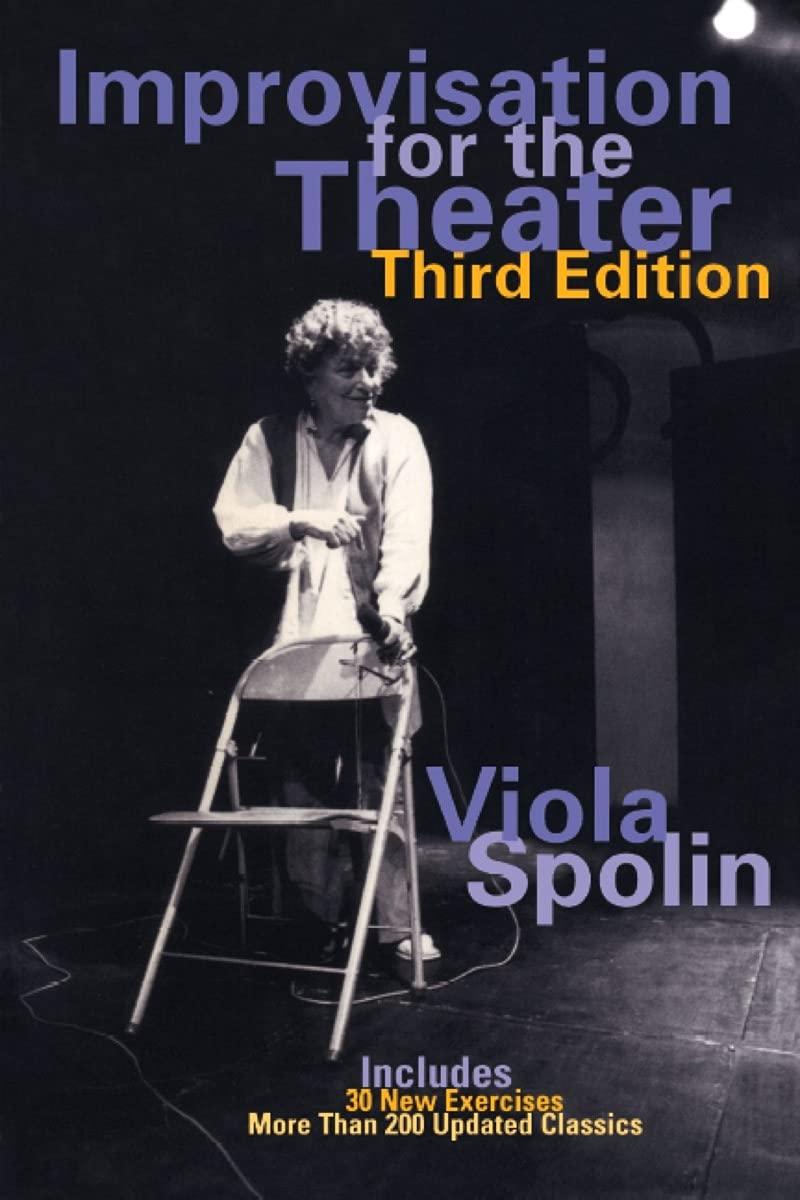
Improvisation for the Theater
A Handbook of Teaching and Directing Techniques
Viola Spolin

Group Improvisation
The Manual of Ensemble Improv Games
Peter Campbell Gwinn; Charna Halpern
Theater Games for Rehearsal
Viola Spolin
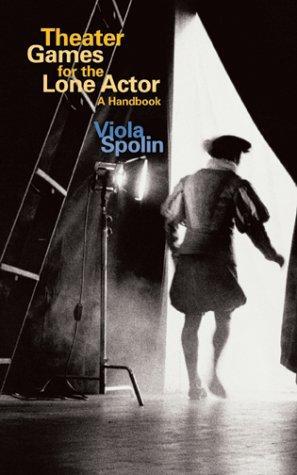
Theater Games for the Lone Actor
Viola Spolin

Improvised Theatre and the Autism Spectrum
A Practical Guide
Gary Kramer; Richie Ploesch
Related Exercises
Ha Soh Kah
Ha Soh Kah is a rhythm and energy exercise in which players chant "Ha," "Soh," and "Kah" while passing focus through corresponding gestures. Each syllable travels around the circle or is redirected by the accompanying physical movement. The exercise builds group rhythm, shared focus, and the physical attentiveness required to track and respond to a moving point of attention.
Gesture Circle
Gesture Circle is a movement and listening exercise in which each player in a circle creates an abstract, personally meaningful gesture, teaches it to the player beside them, and receives a gesture from the other side. The exercise passes gestures around the circle so that each gesture travels from person to person, being received, held, and handed on. The exercise develops listening through the body, the capacity for genuine repetition rather than imitation, and a quality of full physical attention to another person's movement.
Sound and Motion
Sound and Motion is a circle exercise in which participants pass abstract sounds with accompanying movements around a circle or across the space, building spontaneity, physical expressiveness, and the willingness to take creative risks without planning or rehearsing.
Pass the Clap
Pass the Clap is a focus exercise in which players pass a synchronized clap around a circle through eye contact alone. Two players coordinate to clap at precisely the same moment, producing a single unified sound that travels from person to person. The exercise trains nonverbal communication, attentiveness, and the ability to match a partner's timing without verbal cues.
Flow Circle
Flow Circle is a movement and listening exercise related to Gesture Circle, in which each player takes up the movement from where the previous player's gesture ended and creates a new movement that flows from that ending point. Rather than simply repeating or exaggerating what was received, the player begins from the physical endpoint of the previous gesture and invents a new movement that starts there. The exercise develops listening through the body, continuity of physical offer, and the creative skill of transformation rather than repetition.
Sign Pass
Sign Pass is a circle game in which participants pass focus and energy around the group through agreed-upon physical gestures and vocal sounds. Each gesture directs the flow to a specific person, requiring all players to maintain constant awareness of where the focus is traveling.
How to Reference This Page
The Improv Archive. (2026). Ksss. Retrieved September 28, 2026, from https://improvarchive.org/exercises/ksss
The Improv Archive. "Ksss." The Improv Archive, 2026. https://improvarchive.org/exercises/ksss.
The Improv Archive. "Ksss." The Improv Archive, 2026, https://improvarchive.org/exercises/ksss. Accessed September 28, 2026.
The Improv Archive is a systemically maintained repository. The archive itself acts as the corporate author.