LCD (Lowest Common Denominator) is a scene exercise in which performers practice finding the simplest, most universal emotional truth in a scene rather than reaching for clever or complicated choices. The exercise trains the instinct to ground scenes in recognizable human experience. It rewards simplicity over sophistication.
Structure
Setup
- Two or more performers play a scene.
- The director or facilitator coaches for simplicity: the lowest common denominator of human experience in the scene.
- No special staging or props are required.
What LCD Trains
- The exercise addresses the impulse to be clever, unusual, or sophisticated in improvised scenes.
- Instead of interesting or original choices, performers are coached toward the most universally recognizable emotional truth.
- A scene about two people trying to communicate something important should contain the simplest, most honest version of that struggle.
How It Works as a Coaching Tool
- The director watches the scene and stops it when performers reach for the unusual or complicated.
- "That's an interesting choice. What's the simplest version of that moment?"
- The exercise is not a performance; it is a calibration tool.
- Performers practice asking: "What would anyone recognize here?"
What Simplicity Produces
- Scenes with low common denominator choices connect immediately with audiences because they recognize themselves in the characters.
- Simple choices are not weak choices. A scene about two people who both love each other and cannot say it is simpler than a scene about intergalactic time travel, but not less rich.
Variations
- Run the exercise with a constraint: no character types, no unusual situations, no cultural references. Only universally legible emotional moments.
- After the LCD run, the same scene is played again with one element of specificity added.
How to Teach It
How to Explain It
"What is the simplest truth of this moment? Not the most interesting. Not the most original. The thing that anyone who has ever been in this situation would recognize. Find that. Play that. Everything else can come later."
Common Notes
- The exercise diagnoses a specific pattern: performers who intellectualize scenes as a way of avoiding emotional risk. LCD coaching reveals that risk.
- The word "interesting" is a useful flag. When a performer makes an interesting choice, ask what the simple version would be.
- Simplicity is not the same as underdeveloped. A simple choice can be played with great depth.
Common Pitfalls
- Performers interpret "simple" as "small" and the scene loses energy. Simplicity of choice does not mean smallness of commitment.
- The exercise becomes a rule against specificity. LCD targets emotional cliche-avoidance, not specificity avoidance. Specific details can coexist with simple emotional truth.
- Directors apply LCD coaching too broadly, discouraging all creative choices rather than addressing the particular pattern the exercise targets.
Worth Reading
See all books →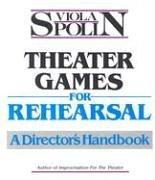
Theater Games for Rehearsal
Viola Spolin

Improvisation for the Theater
A Handbook of Teaching and Directing Techniques
Viola Spolin
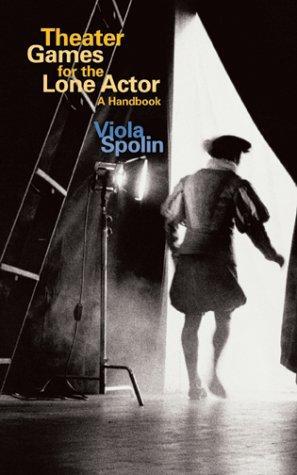
Theater Games for the Lone Actor
Viola Spolin

Something from Nothing
The Technique of Improvisation
Richard Goteri
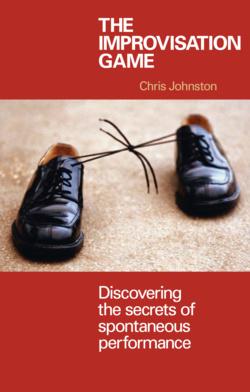
The Improvisation Game
Discovering the Secrets of Spontaneous Performance
Chris Johnston

Improvisation
Use What You Know, Make Up What You Don't
Brad Newton
Related Exercises
Flatmates Just Do Nothing
Flatmates Just Do Nothing is a scene exercise in which performers play roommates engaged in completely mundane, low-stakes activity -- watching television, eating cereal, folding laundry -- with no dramatic agenda imposed from outside. The exercise trains the ability to be fully present in an ordinary moment, to find authentic relationship texture in ordinary behavior, and to trust that genuine connection and specificity are sufficient engines for scene without the need for conflict or event.
Low
Low is a status exercise in which performers practice playing the lowest-status character in a scene. The exercise trains the physicality of submission, deference, and self-deprecation. It builds awareness of how low status communicates through body language and vocal patterns, complementing high-status exercises.
Elephant It
Elephant It is a scene exercise in which performers practice naming the obvious but unspoken element present in a scene -- the thing everyone in the scene is aware of but no one is saying. Named after the phrase "elephant in the room," the exercise trains directness, honest emotional acknowledgment, and the ability to generate scene momentum by surfacing what is already true rather than avoiding it.
Pivot
Pivot is a scene exercise in which performers identify the moment when a scene needs to shift direction and make a deliberate choice to change it. The facilitator may call "Pivot" to signal the moment, or players practice identifying pivot points themselves. The exercise develops editorial awareness and trains the skill of knowing when a scene needs to evolve rather than repeat.
It’s Tuesday
This exercise, attributed to Keith Johnstone, trains the skill of overaccepting: treating any mundane statement as if it carries enormous emotional significance. A simple declaration about the day of the week becomes the catalyst for an entire scene when performers invest it with meaning through their reactions. The exercise demonstrates that the emotional weight of any line depends entirely on how the performers receive it and that ordinary language can generate extraordinary scenes when played with full commitment.
Boring Scenes Circle
Boring Scenes Circle is a training exercise in which players deliberately perform the most mundane, uneventful scenes they can. By stripping away the instinct to be clever or dramatic, the exercise reveals that strong characters, honest relationships, and genuine listening create compelling stage work regardless of plot. It builds trust in simplicity.
How to Reference This Page
The Improv Archive. (2026). Lcd. Retrieved September 28, 2026, from https://improvarchive.org/exercises/lcd
The Improv Archive. "Lcd." The Improv Archive, 2026. https://improvarchive.org/exercises/lcd.
The Improv Archive. "Lcd." The Improv Archive, 2026, https://improvarchive.org/exercises/lcd. Accessed September 28, 2026.
The Improv Archive is a systemically maintained repository. The archive itself acts as the corporate author.