Maslow's Hierarchy of Needs
Maslow's Hierarchy of Needs is a character and motivation exercise in which performers assign characters a specific level of Maslow's motivational hierarchy -- physiological, safety, love and belonging, esteem, or self-actualization -- and play scenes in which every character choice, reaction, and goal is driven by that level's corresponding need. The exercise develops specificity of character motivation by anchoring it in a well-defined psychological framework and trains performers to play need-driven characters rather than generically reactive ones.
Structure
Setup
The facilitator briefly reviews Maslow's hierarchy with the group, naming the five levels and their characteristic motivations and behaviors. Each performer is assigned or selects a specific level before the scene begins.
Progression
Performers play a scene in which their character's decisions, reactions, and goals are determined by their assigned hierarchy level. A physiological-level character is focused on immediate physical needs (food, warmth, rest); a safety-level character is focused on security and predictability; an esteem-level character is focused on recognition and achievement; a self-actualization character is focused on meaning, growth, and purpose.
The facilitator may introduce changes to characters' hierarchy levels across the scene, requiring performers to shift their motivational base in real time.
Conclusion
The scene ends at a natural narrative or instructional stopping point. The facilitator debriefs which levels were most specific and visible, and what each level produced in terms of character behavior.
How to Teach It
Objectives
Maslow's Hierarchy of Needs trains the ability to generate character behavior from a specific motivational root rather than from reactive surface behavior. It gives performers a concrete psychological framework for grounding character choices and reveals how dramatically different the same scene can read when participants are operating from different need levels.
How to Explain It
"Your character doesn't want abstractly -- they want specifically, based on where they are in Maslow's framework. If you're at the bottom, you're focused on survival. If you're near the top, you're focused on meaning. Every choice comes from that level."
Scaffolding
Begin with the most contrasting levels -- physiological versus self-actualization -- before mixing levels within the same scene. The contrast between levels produces the most immediate and instructive character differentiation.
Common Pitfalls
Performers often retain the same general character register while adding superficial references to the hierarchy level rather than genuinely restructuring their character's desires and behaviors around the assigned need. Coach performers to start from the need rather than from a character concept and to discover who the character is through the lens of the need.
Worth Reading
See all books →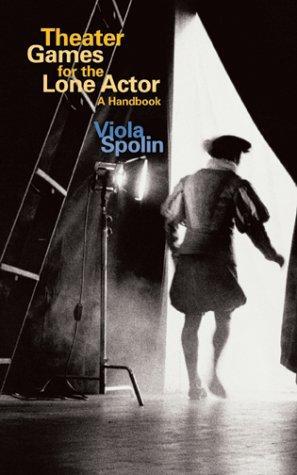
Theater Games for the Lone Actor
Viola Spolin
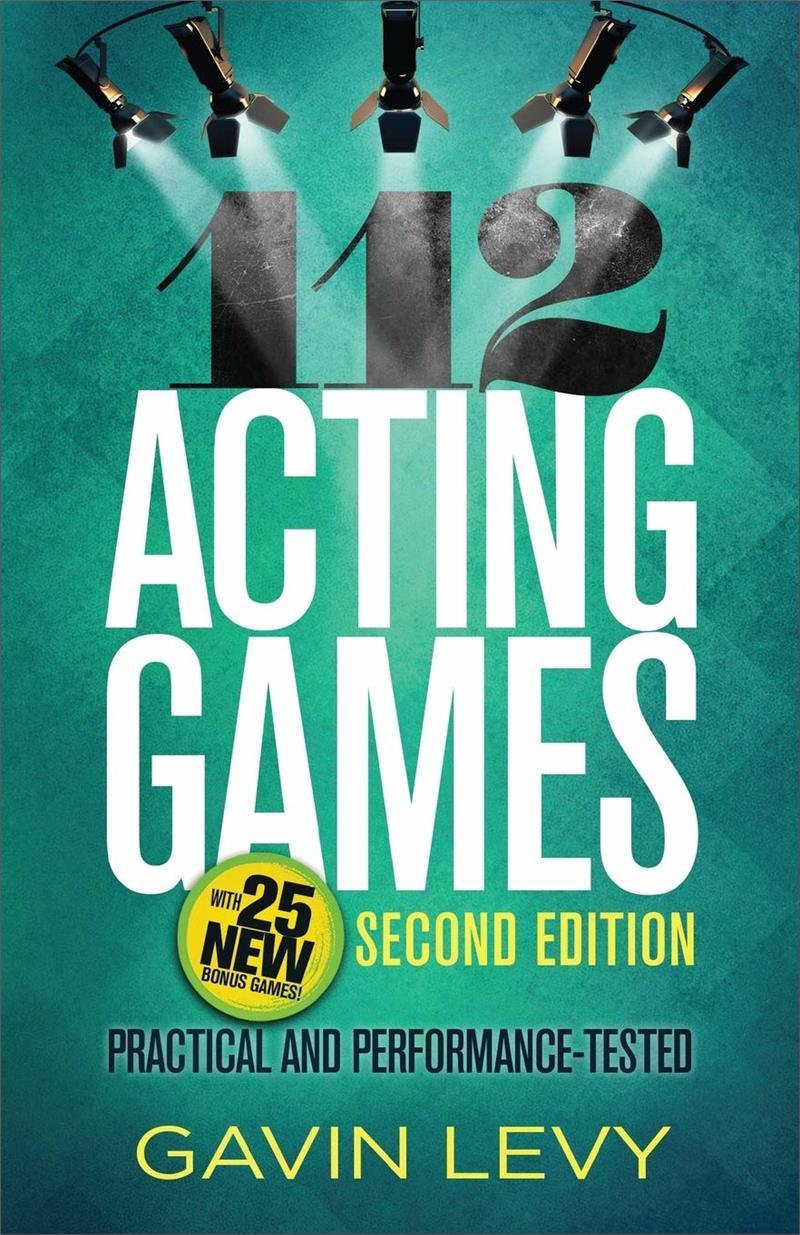
112 Acting Games
Gavin Levy
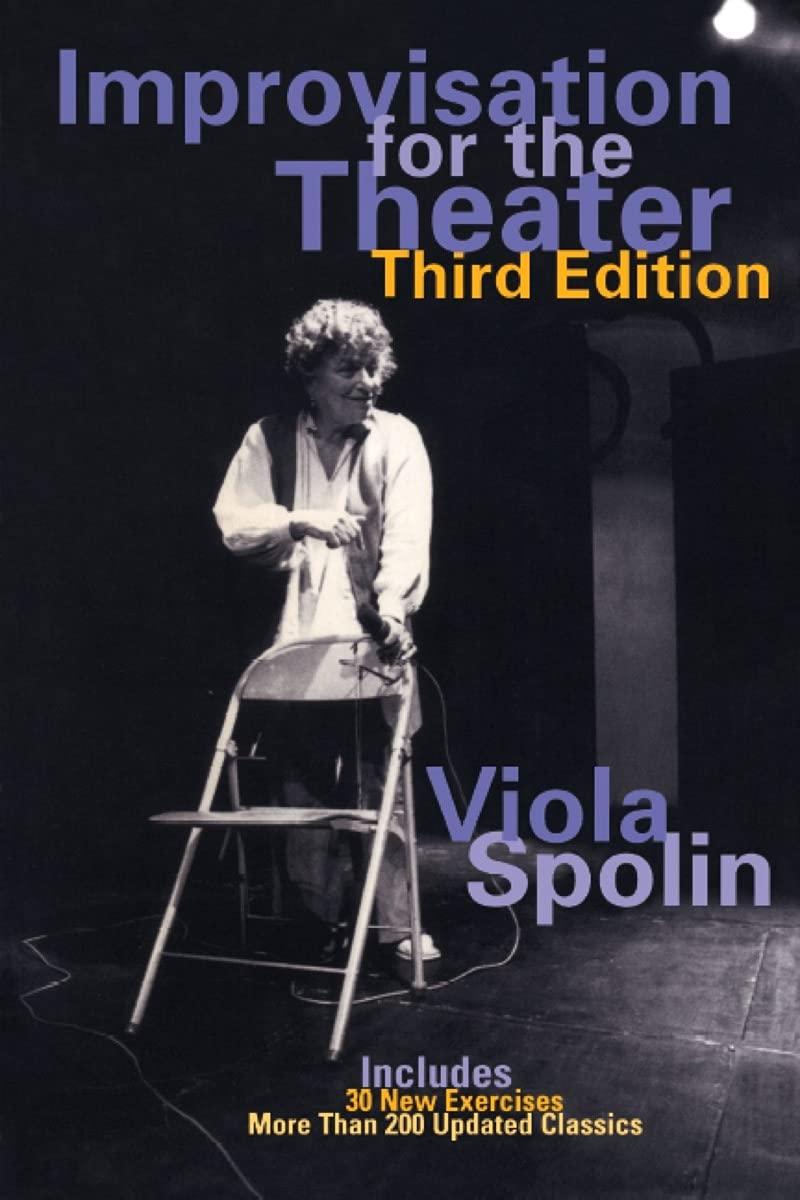
Improvisation for the Theater
A Handbook of Teaching and Directing Techniques
Viola Spolin
Theater Games for Rehearsal
Viola Spolin

The Young Actor's Book of Improvisation
Dramatic Situations
Sandra Caruso; Susan Kosoff

Mask Improvisation for Actor Training and Performance
the compelling image
Sears A. Eldredge
Related Exercises
Emotions Characters
Emotions Characters is a character-building exercise in which performers construct a character whose entire identity is defined by a single dominant emotion. Rather than playing a character who experiences an emotion, the performer plays a human being for whom that emotion is the organizing principle of their existence: a person constituted entirely by joy, or anger, or longing, or fear. The exercise develops the skill of using emotion as a generative foundation for character rather than as a surface-level behavioral quality.
Motivation
Motivation is an applied improv exercise that explores the distinction between intrinsic and extrinsic motivation by having participants play characters or engage in tasks driven by different types of motivational fuel. The exercise reveals how motivation quality affects group behavior, creative engagement, and collaborative generosity -- making the difference between performed participation and genuine contribution visible and discussable.
Low
Low is a status exercise in which performers practice playing the lowest-status character in a scene. The exercise trains the physicality of submission, deference, and self-deprecation. It builds awareness of how low status communicates through body language and vocal patterns, complementing high-status exercises.
Mr so and So
Mr. So-and-So is a hybrid game and exercise in which one performer introduces a character -- "Mr. So-and-So" -- by physicalized description and behavioral endowment, and other performers must immediately embody and play that character according to the introduction. The exercise develops the ability to rapidly translate a described character into full physical and behavioral embodiment, and trains the group's capacity to all play the same character simultaneously with consistency and specificity.
Status Scene With Partners
Status Scene with Partners is a two-person status exercise in which volunteers perform a scene with assigned high and low status roles, then replay the scene with their roles reversed, exploring how status reversal changes the dynamic, power balance, and emotional texture of the same situation.
John Cremer Characters and Scenes
John Cremer Characters and Scenes is a character-building and scene initiation exercise developed by UK improviser and educator John Cremer, in which participants develop distinct physicalized characters and then bring those characters into spontaneous scenes with one another. The exercise trains the connection between physical specificity and character logic, building confidence in initiating scenes from a grounded physical starting point rather than from dialogue or concept.
How to Reference This Page
The Improv Archive. (2026). Maslow's Hierarchy of Needs. Retrieved October 14, 2026, from https://improvarchive.org/exercises/maslows-hierarchy-of-needs
The Improv Archive. "Maslow's Hierarchy of Needs." The Improv Archive, 2026. https://improvarchive.org/exercises/maslows-hierarchy-of-needs.
The Improv Archive. "Maslow's Hierarchy of Needs." The Improv Archive, 2026, https://improvarchive.org/exercises/maslows-hierarchy-of-needs. Accessed October 14, 2026.
The Improv Archive is a systemically maintained repository. The archive itself acts as the corporate author.