Personalize It!
Personalize It is a scene exercise in which one player delivers a neutral, factual statement and the other responds as if the fact were deeply personal to their character. The exercise trains improvisers to create emotional stakes from nothing, treating every piece of information as personally meaningful rather than letting it pass as background detail.
Structure
Setup
Participants stand in two facing lines, creating partner pairs. No preparation is needed.
Progression
One player thinks of a simple, true fact that is not about themselves or their partner. The fact should be mundane and general: "Grass is green," "It is Tuesday," "Dogs have four legs."
The player delivers the fact as a scene initiation to their partner. The partner responds as if the fact were deeply, personally relevant to them. The response should be immediate and emotional. If told "Grass is green," the partner might respond with visible relief, saying they literally just spent the whole morning mowing the lawn and it is nice to hear someone finally notice.
The pair exchanges one or two more lines to explore the emotional reality that has been created, then rotates to new partners. Each new round begins with a fresh neutral fact.
Variations
The exercise can be extended into full scenes where the personalized reaction becomes the foundation for the scene's central dynamic. A quick-fire version uses rapid partner switching with no time to plan, forcing players to react from instinct rather than invention.
How to Teach It
Objectives
Personalize It addresses one of the most common problems in improv scene work: players who let information float by without reacting to it. In real life, people filter everything through personal experience. In improv scenes, beginners often treat initiations as neutral data rather than as something that matters to their character. This exercise builds the reflex of making every offer personally significant.
How to Explain It
"Your partner is going to tell you a boring fact. Your job is to react as if that fact is the most personally relevant thing you have heard all day. Do not plan your reaction. Just let the fact hit you and respond with whatever emotion comes first."
Scaffolding
For players who struggle, offer two coaching prompts. First, consider perspective: who would be the best or worst person to hear this particular fact? What would make it land hardest? Second, lead with emotion: have a big reaction first, then figure out why. The justification follows the feeling, not the other way around.
Begin with exaggerated emotional reactions to build confidence, then encourage more nuanced, grounded responses in later rounds.
Common Pitfalls
The most common issue is players who intellectualize their response, constructing a clever reason before reacting emotionally. Coach them to feel first and explain later. The audience does not need to understand the reason immediately.
A second issue is players who default to the same emotional register every time, usually anger or excitement. Encourage variety: grief, nostalgia, relief, suspicion, tenderness.
Worth Reading
See all books →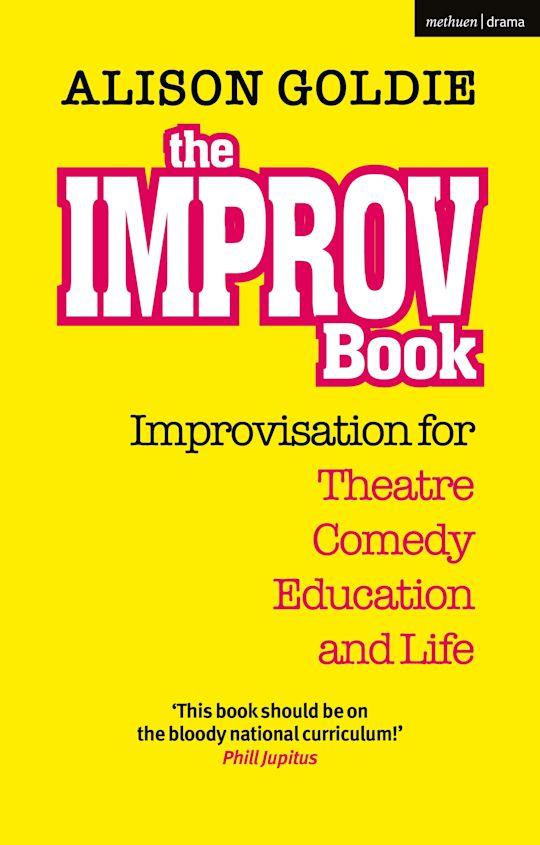
The Improv Book
Improvisation for Theatre, Comedy, Education, and Life
Alison Goldie

The 5 Elements of Improv
How to Take Your Improv to the Next Level
Andrew M. Spragge; Karen L. Eichler

You Can Teach Improv (Yes, You!)
The Ultimate Guide to Class Planning, Skill Building, and Helping Every Student Leave With a Win
Andrew Berkowitz
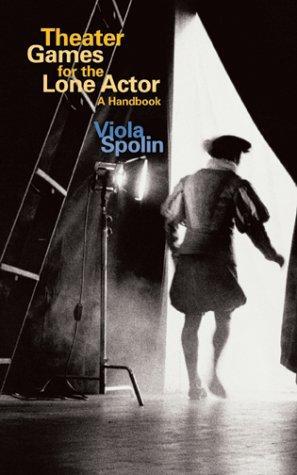
Theater Games for the Lone Actor
Viola Spolin

Improv for Actors
Dan Diggles

Drama Games and Improvs
Games for the Classroom and Beyond
Justine Jones; Mary Ann Kelley
Related Exercises
Elephant It
Elephant It is a scene exercise in which performers practice naming the obvious but unspoken element present in a scene -- the thing everyone in the scene is aware of but no one is saying. Named after the phrase "elephant in the room," the exercise trains directness, honest emotional acknowledgment, and the ability to generate scene momentum by surfacing what is already true rather than avoiding it.
Yes And
Yes And is the foundational improv exercise and philosophical principle in which performers practice accepting a partner's offer (the "yes") and adding new information that builds on it (the "and"). One player makes a statement; the partner responds by first affirming the reality of that statement and then contributing something new. The exercise trains the most essential skill in improvisation and has become the defining principle of the entire art form.
Barney
Barney is an energy and movement warm-up exercise in which players adopt an exaggerated, lumbering physical character and interact with the group through simple, playful commands. The exercise asks participants to embody a large, slow, friendly creature (often described as a dinosaur or monster) and move through the space with maximum physical commitment and minimum self-consciousness. The inherent silliness of the character lowers inhibitions quickly, making Barney effective as an early warm-up for groups that are new to physical work or uncomfortable with large physical choices. The exercise builds comfort with exaggerated movement, vocal projection, and the willingness to look ridiculous in front of others, all foundational skills for improv performance.
Remember the Time
Remember the Time is a paired exercise in which partners co-create a shared fictional memory, each contributing details as if recalling a real event they experienced together. The exercise develops collaborative storytelling, active listening, and the ability to build on a partner's offers without contradiction.
You
You is a circle exercise in which players point at another person and say "you," passing focus around the group with clear eye contact and decisive gestures. The exercise trains the habit of making specific, committed choices about who receives an offer. It builds directness and the ability to give and receive attention cleanly.
It’s Tuesday
This exercise, attributed to Keith Johnstone, trains the skill of overaccepting: treating any mundane statement as if it carries enormous emotional significance. A simple declaration about the day of the week becomes the catalyst for an entire scene when performers invest it with meaning through their reactions. The exercise demonstrates that the emotional weight of any line depends entirely on how the performers receive it and that ordinary language can generate extraordinary scenes when played with full commitment.
How to Reference This Page
The Improv Archive. (2026). Personalize It!. Retrieved September 28, 2026, from https://improvarchive.org/exercises/personalize-it
The Improv Archive. "Personalize It!." The Improv Archive, 2026. https://improvarchive.org/exercises/personalize-it.
The Improv Archive. "Personalize It!." The Improv Archive, 2026, https://improvarchive.org/exercises/personalize-it. Accessed September 28, 2026.
The Improv Archive is a systemically maintained repository. The archive itself acts as the corporate author.