Opposite Characters
Opposite Characters is a scene exercise in which each performer plays a character whose traits are the direct inverse of their own natural tendencies. A quiet player adopts a loud persona, an analytical player becomes impulsive, and so on. The exercise expands performers' range by forcing them outside habitual choices.
Worth Reading
See all books →
Improv Comedy (20th Anniversary Edition)
Andy Goldberg

Improvisation for Actors and Writers
A Guidebook for Improv Lessons in Comedy
Bill Lynn

Drama Games and Improvs
Games for the Classroom and Beyond
Justine Jones; Mary Ann Kelley
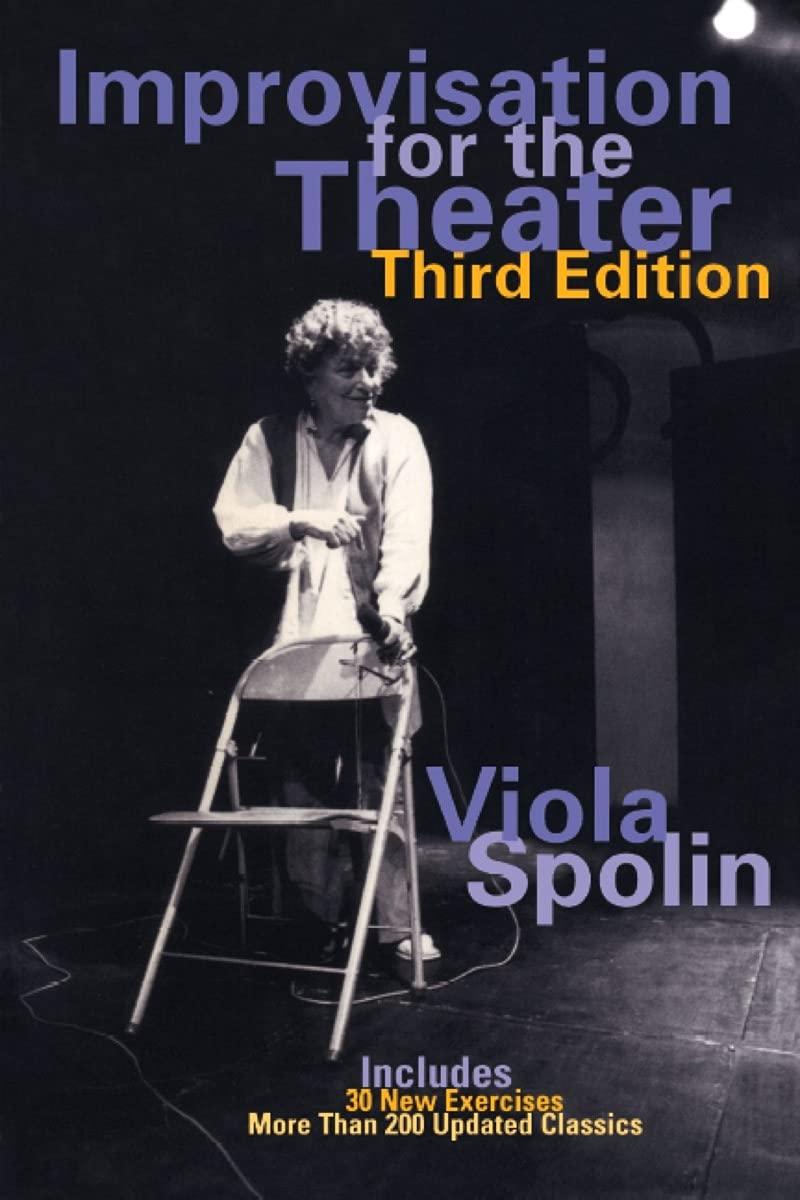
Improvisation for the Theater
A Handbook of Teaching and Directing Techniques
Viola Spolin

The Young Actor's Book of Improvisation
Dramatic Situations
Sandra Caruso; Susan Kosoff

Impro
Improvisation and the Theatre
Keith Johnstone
Related Exercises
Opposites
Opposites is an exercise in which two performers play a scene while deliberately making contrasting choices in energy, physicality, and emotional tone. If one player is loud, the other is quiet; if one is deliberate, the other is impulsive; if one is formal, the other is casual. The exercise teaches the dramatic value of contrast and develops awareness of how opposing choices create dynamic scenes and interesting characters.
Character Swap
Character Swap is a scene game in which performers exchange characters mid-scene, each adopting the other's physicality, voice, and emotional state. The swap reveals how well players have been observing their partners and tests the ability to sustain someone else's character work. The game rewards careful listening and physical attention.
Character Walk
Character Walk is an exercise in which players move through the space while gradually adjusting their physicality to build a character from the feet up. Changes in gait, posture, tempo, and weight distribution produce distinct personas. The exercise demonstrates how physical choices generate character without any need for backstory or dialogue.
Character Switch
Character Switch is a scene game in which a caller signals performers to rotate characters, each inheriting the role of the player to their left or right. Unlike Character Swap, which involves a single exchange, Character Switch cycles all characters simultaneously. The game demands close observation and the ability to pick up another performer's character instantly.
Character Study
Character Study is an exercise in which performers spend extended time developing a single character through exploration of physicality, voice, biography, and behavior. The focused work produces richer, more specific characters than the rapid choices of performance typically allow. It provides a foundation that improvisers can draw on in scene work.
Emotions Characters
Emotions Characters is a character-building exercise in which performers construct a character whose entire identity is defined by a single dominant emotion. Rather than playing a character who experiences an emotion, the performer plays a human being for whom that emotion is the organizing principle of their existence: a person constituted entirely by joy, or anger, or longing, or fear. The exercise develops the skill of using emotion as a generative foundation for character rather than as a surface-level behavioral quality.
How to Reference This Page
The Improv Archive. (2026). Opposite Characters. Retrieved September 28, 2026, from https://improvarchive.org/exercises/opposite-characters
The Improv Archive. "Opposite Characters." The Improv Archive, 2026. https://improvarchive.org/exercises/opposite-characters.
The Improv Archive. "Opposite Characters." The Improv Archive, 2026, https://improvarchive.org/exercises/opposite-characters. Accessed September 28, 2026.
The Improv Archive is a systemically maintained repository. The archive itself acts as the corporate author.