Party Planning
Party Planning is a group exercise in which participants collaboratively plan a fictional event using the Yes And principle. Each suggestion must be accepted and built upon, regardless of how unexpected it may be. The exercise demonstrates in concrete terms how much further a group progresses when members support each other's ideas rather than filtering or rejecting them, making it one of the most accessible introductions to collaborative improvisation.
Structure
Setup
Participants form groups of three to seven. Each group is told they are planning a party together. The facilitator provides a simple premise: a birthday party, an office celebration, a neighborhood block party, or any social event the group can relate to.
Progression
Participants go around the circle making suggestions about what the party should include. Each suggestion must be met with "Yes, and" before the next person adds their own idea. If someone suggests live elephants as entertainment, the next person must accept that premise and build on it: "Yes, and we will need to rent a bigger venue to fit the elephants."
No suggestion can be rejected, questioned, or redirected. The constraint forces participants to build on ideas they would normally filter out. The party plan grows increasingly elaborate and often absurd as accumulated yes-ands compound into unexpected directions.
The exercise runs for approximately three minutes per round. The facilitator may run a second round where participants are secretly instructed to respond with "No, but" or "Yes, but" instead, creating a contrast that makes the value of genuine acceptance immediately apparent.
Conclusion
Groups share their party plans with the larger group. The facilitator leads a debrief comparing the energy and output of the Yes And round with any contrasting rounds.
How to Teach It
Objectives
Party Planning provides a direct, visceral experience of the difference between building on ideas and blocking them. Participants feel the momentum that genuine acceptance creates and the friction that even polite rejection introduces. The exercise requires no improv experience and works with any group.
How to Explain It
"Your group is planning a party. Go around the circle and each person adds one thing to the plan. The only rule is that you must accept whatever the person before you suggested and build on it. Say 'Yes, and' before adding your own idea. Nothing is too weird, too expensive, or too impractical. Just keep building."
Scaffolding
Start with a familiar, low-stakes event type so participants can focus on the Yes And mechanic rather than struggling with the premise. After one round, optionally run a contrast round where the rule changes to "Yes, but" or "No, because." The contrast makes the lesson land without requiring the facilitator to explain it.
For groups that are hesitant, the facilitator can participate in the first round to model enthusiastic acceptance of unusual ideas.
Common Pitfalls
The most common issue is participants who say "Yes, and" but then steer the conversation back to their own idea without genuinely building on what was offered. Coach them to make their addition directly connected to the previous suggestion.
A second issue is groups that stay safe, offering only sensible party elements rather than following the escalation wherever it leads. Encourage at least one deliberately unusual suggestion early to give the group permission to be creative.
Worth Reading
See all books →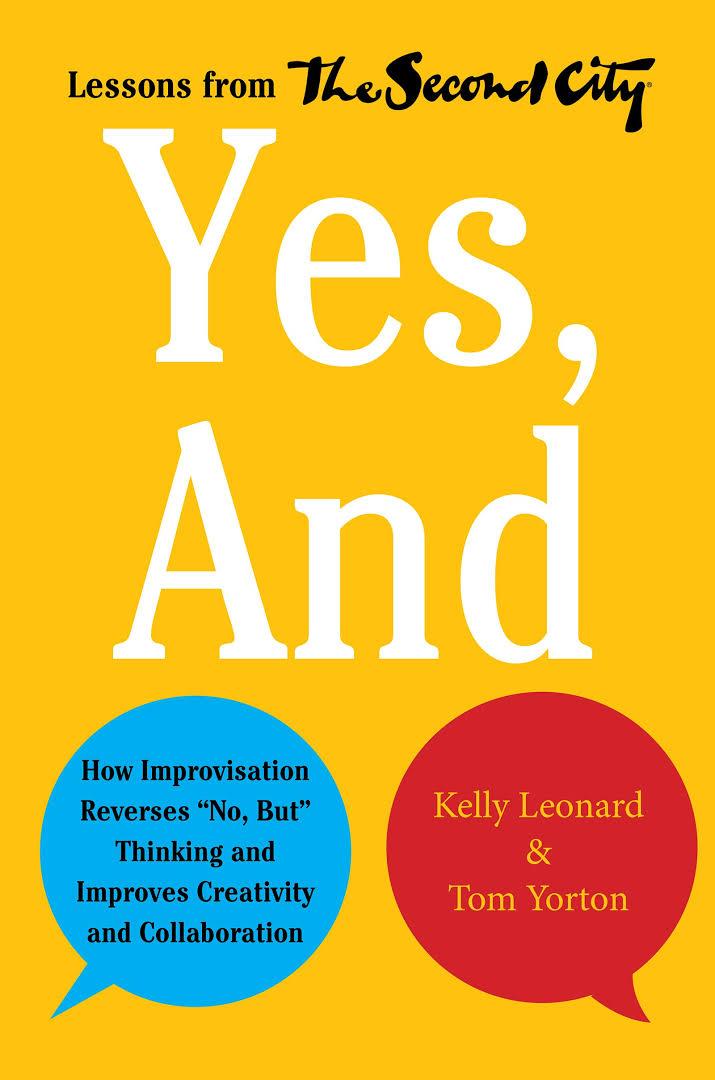
Yes, And
How Improvisation Reverses No, But Thinking and Improves Creativity and Collaboration
Kelly Leonard; Tom Yorton

The 5 Elements of Improv
How to Take Your Improv to the Next Level
Andrew M. Spragge; Karen L. Eichler

Group Improvisation
The Manual of Ensemble Improv Games
Peter Campbell Gwinn; Charna Halpern

You Can Teach Improv (Yes, You!)
The Ultimate Guide to Class Planning, Skill Building, and Helping Every Student Leave With a Win
Andrew Berkowitz
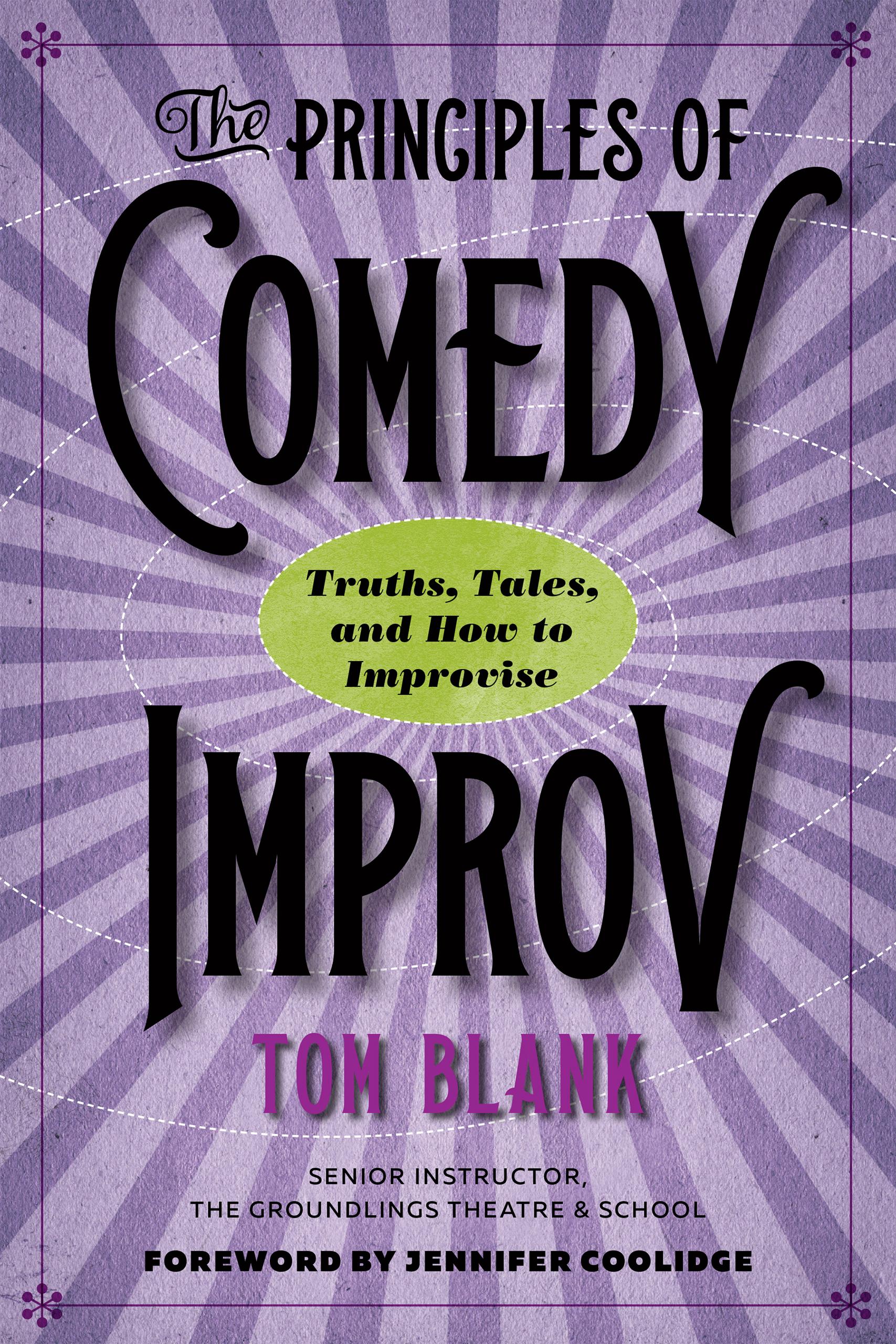
The Principles of Improv Comedy
Tom Blank
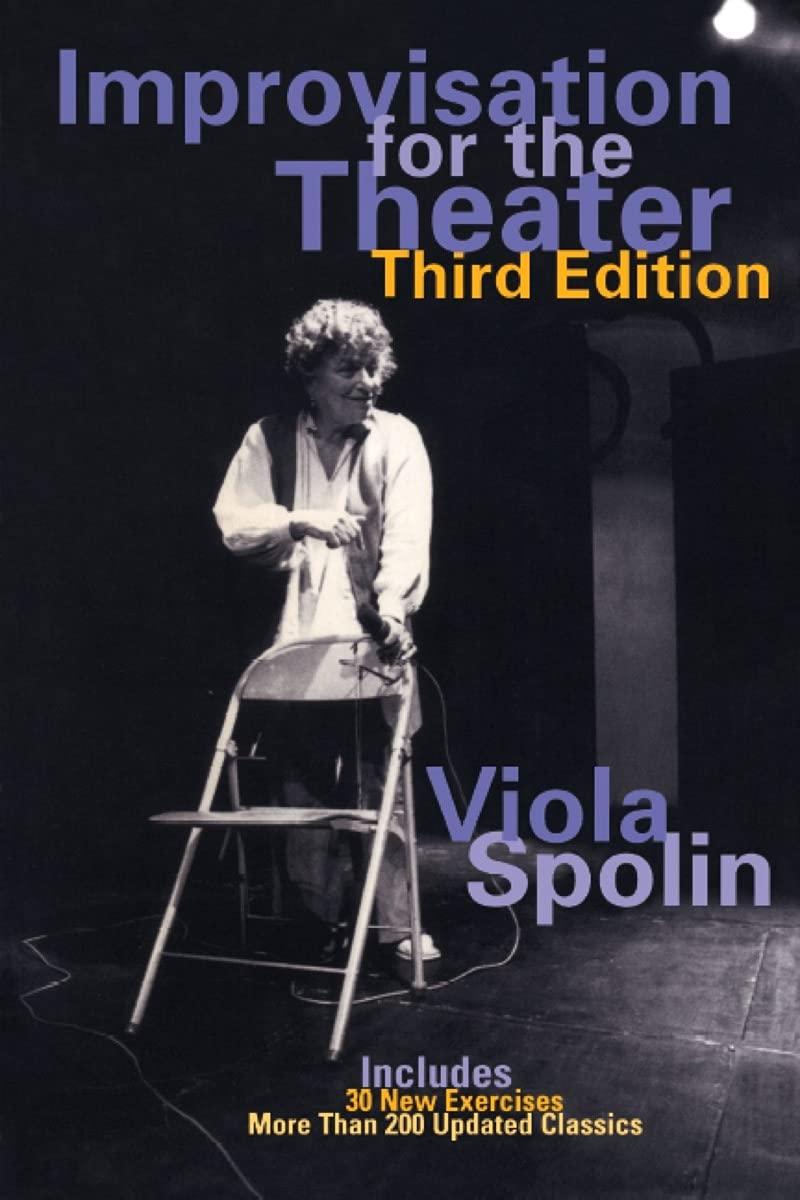
Improvisation for the Theater
A Handbook of Teaching and Directing Techniques
Viola Spolin
Related Exercises
Yes And
Yes And is the foundational improv exercise and philosophical principle in which performers practice accepting a partner's offer (the "yes") and adding new information that builds on it (the "and"). One player makes a statement; the partner responds by first affirming the reality of that statement and then contributing something new. The exercise trains the most essential skill in improvisation and has become the defining principle of the entire art form.
Problem Solving
Problem Solving is an applied improvisation exercise from Business Improv in which teams tackle challenges using "Yes, And" principles and other improvisational techniques. Rather than following traditional analytical frameworks, participants generate solutions through rapid ideation, collaborative building, and the willingness to explore unconventional approaches.
Red Teaming
Red Teaming assigns specific team members the role of critics and challengers during a meeting or brainstorming session. By making the adversarial role explicit and sanctioned, the exercise removes the social risk of disagreement and surfaces objections that would otherwise remain unspoken.
Cocktail Party
Cocktail Party is a multi-scene ensemble exercise and game in which several pairs of performers simultaneously engage in separate conversations at an imagined social gathering. The overlapping dialogues create a rich, layered environment in which performers must maintain their own character and scene while tracking the conversations happening around them. As connections emerge between the separate conversations, performers weave themes, characters, and references across the pairs. The game trains ensemble awareness, the ability to sustain a character in the background, and the skill of recognizing shared themes and patterns across simultaneous scenes. As described in Truth in Comedy, the Cocktail Party allows performers to explore the value of connections in improvisation.
Prioritizing
Prioritizing is an applied improvisation exercise from Business Improv in which teams practice rapid prioritization and decision-making under time pressure. Using improvisational techniques, participants learn to sort competing demands, make clear choices with incomplete information, and commit to a direction without prolonged deliberation.
Creative Solution Building
Creative Solution Building is an applied improvisation exercise in which participants use improvisational principles -- acceptance, building, and collaborative emergence -- to develop solutions to presented problems or scenarios. Rather than analyzing the problem and generating solutions individually, participants build solutions incrementally through a structured ensemble process, with each contribution extending and complying with what has already been offered.
How to Reference This Page
The Improv Archive. (2026). Party Planning. Retrieved September 28, 2026, from https://improvarchive.org/exercises/party-planning
The Improv Archive. "Party Planning." The Improv Archive, 2026. https://improvarchive.org/exercises/party-planning.
The Improv Archive. "Party Planning." The Improv Archive, 2026, https://improvarchive.org/exercises/party-planning. Accessed September 28, 2026.
The Improv Archive is a systemically maintained repository. The archive itself acts as the corporate author.