Passing Around Objects
Passing Around Objects is a circle exercise in which players create imaginary objects with distinct physical properties and pass them to their neighbors, who must receive and reproduce each object faithfully before sending it on. When objects return to their creators, the group examines what changed along the way. The exercise develops object work consistency, observation, and the discipline of treating a partner's physical choices as real.
Structure
Setup
Players stand in a circle facing inward. No props are used.
Progression
Each player creates a mimed object in their hands. The object should have specific, observable physical properties: weight, size, texture, temperature, and behavior. A bowling ball feels different from a soap bubble, and the difference should be visible in how the player holds, adjusts, and interacts with it.
Players spend a moment getting to know their object, turning it, testing its weight, and establishing its reality through committed physical work.
On the facilitator's signal, every player passes their object to the person on their left. The receiving player must watch the pass carefully, accept the object with attention to its properties, and maintain its physical reality. On the next signal, players pass the objects again in the same direction.
After two or more rounds of passing, the facilitator calls a stop. Each player now holds an object that has traveled through several hands. The original creators examine what they get back. The group discusses what survived the journey and what changed.
Variations
Instead of simultaneous passing, objects can travel one at a time around the circle while the group watches, making observation easier and raising the stakes for each individual pass. Multiple objects with sharply contrasting properties can circulate at the same time, requiring players to switch between physical vocabularies as they receive and send different items.
How to Teach It
Objectives
Passing Around Objects trains three core improv principles simultaneously: listening (observing the physical choices a partner has made), accepting (taking whatever is offered without reshaping it to personal preference), and commitment (maintaining an object's reality even when uncertain about its exact properties). The debrief reveals how well the group communicates nonverbally and how much physical detail survives transmission from person to person.
How to Explain It
"Create an imaginary object in your hands. Give it weight, size, and texture. Know what it is. When I say go, pass it to your left. When you receive an object, watch how the person hands it to you and keep it the same. After a few passes, we will see what happened to each object."
Scaffolding
Begin by having the group observe one object travel the full circle before everyone creates their own. This gives players a model for what attentive passing looks like. Once the group is comfortable with simultaneous passing, increase the number of rotations before the debrief to make the telephone-game effect more pronounced.
Common Pitfalls
The most common issue is players who rush the handoff, grabbing the object without looking at how it was held. Coach them to receive with their eyes before their hands.
A second issue is players who unconsciously reshape every object into something comfortable for them. A heavy object becomes light. A large object shrinks. Remind them that the exercise is about honoring someone else's physical reality, not imposing their own.
History
The exercise belongs to a family of object-passing games rooted in Augusto Boal's Theatre of the Oppressed work from the 1970s. Boal's Peruvian Ball Game, published in Games for Actors and Non-Actors (1992), uses a similar structure of creating, exchanging, and retrieving imaginary objects. Viola Spolin's object transformation exercises from Improvisation for the Theater (1963) explore related territory from a different angle, asking players to reshape objects rather than preserve them. Passing Around Objects focuses specifically on preservation and consistency, making it a distinct exercise within this lineage.
Worth Reading
See all books →
Playing Along
37 Group Learning Activities Borrowed from Improvisational Theater
Izzy Gesell
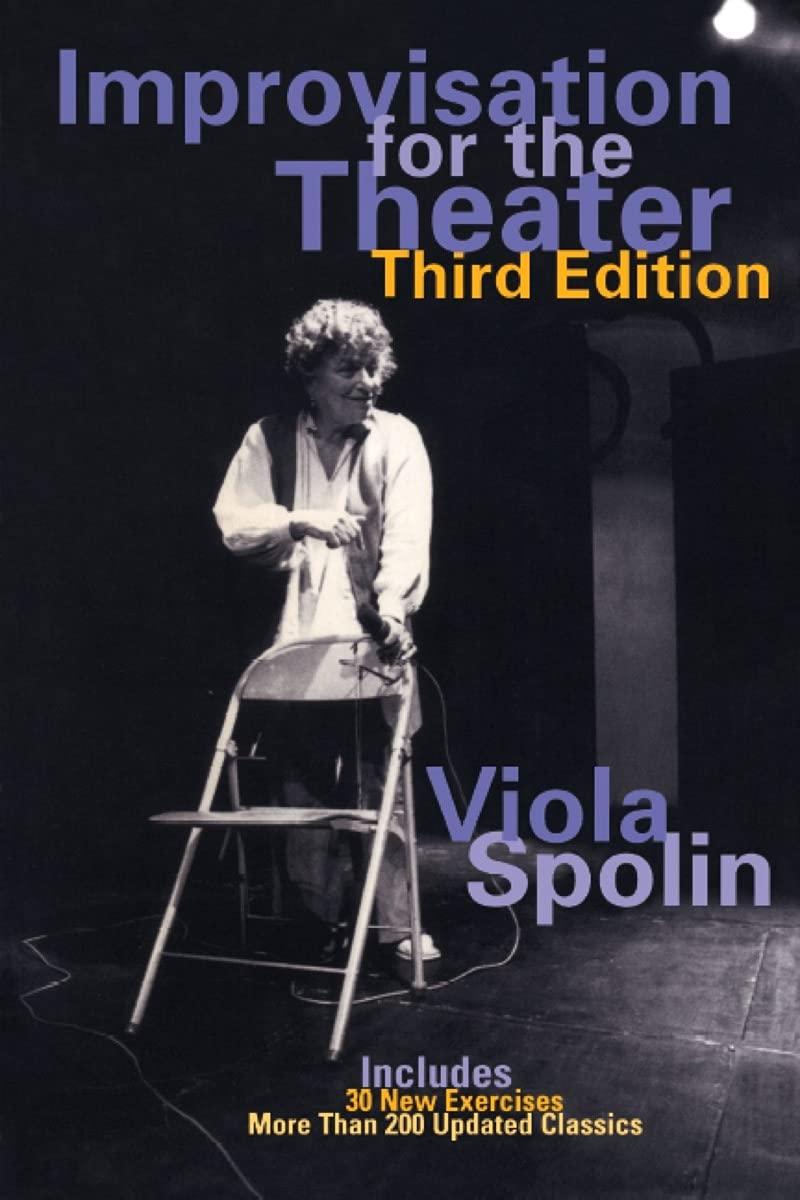
Improvisation for the Theater
A Handbook of Teaching and Directing Techniques
Viola Spolin

Business Improv
Experiential Learning Exercises to Train Employees
Val Gee

The Improv Illusionist
Using Object Work, Environment, and Physicality in Performance
David Raitt

Group Improvisation
The Manual of Ensemble Improv Games
Peter Campbell Gwinn; Charna Halpern
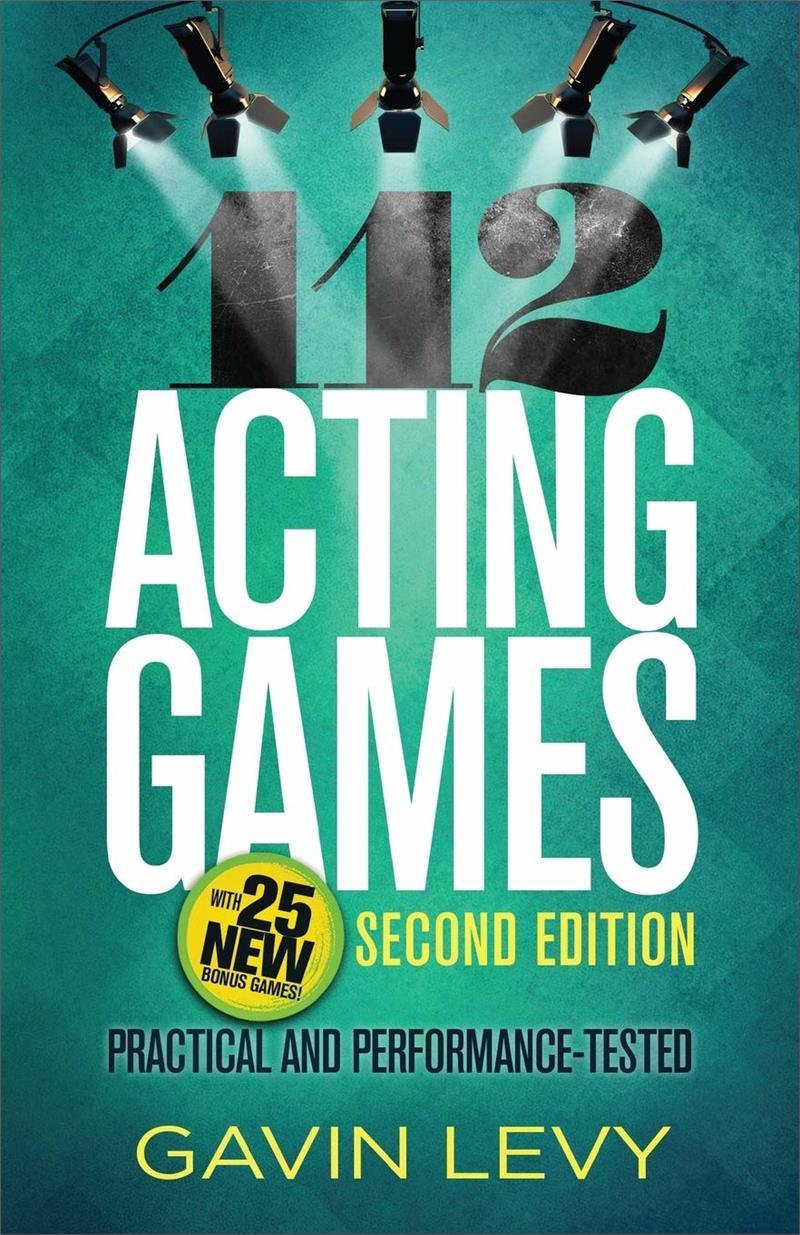
112 Acting Games
Gavin Levy
Related Exercises
Object Circle
Object Circle is a warm-up exercise in which participants stand in a circle and pass physical or mimed objects to each other, transforming each object through imagination as it travels. One participant sends an object with a specific size, weight, and character; the next participant receives it, uses it briefly, then transforms it into something new before passing it on. The exercise develops physical specificity, collaborative imagination, and the habit of accepting and building on what a partner offers.
Tossing
Tossing is a circle warm-up exercise in which players pass real or imaginary objects around the group with clear physical intention. Each exchange requires specific attention to the give and the receive: the sender must establish the object's weight, size, and nature before releasing it; the receiver must honor those physical qualities in the catch and carry. The exercise trains physical specificity, eye contact, ensemble attention, and the fundamental habit of truly giving something to a partner.
Pass Ball
Pass Ball is a circle warm-up exercise in which players toss a real or imaginary ball around the group while maintaining eye contact with the intended recipient. Additional balls may be introduced to increase complexity, requiring the group to track multiple objects simultaneously. The exercise builds focus, nonverbal communication, and the habit of making clear, directed offers to specific partners rather than throwing ideas into the void.
Objects
Objects is an ensemble exercise and short-form game in which players use their bodies to form the physical shape of an audience-suggested object. Players enter one at a time, each adding themselves to the growing sculpture until the group collectively represents the object in physical space. The exercise builds spontaneous physicality, spatial awareness, and the ensemble skill of offering and accepting physical contributions without verbal negotiation.
Pass Catch
Pass Catch is a circle warm-up in which players pass unique poses and sounds around the group. Each player receives an offer by mirroring the previous player's pose and sound exactly, then immediately invents a completely new pose and sound to send to the next person. The exercise builds comfort with silliness, sharpens the habit of fully accepting offers before generating new ones, and warms up physical expressiveness.
Be Specific
Participants silently exchange imaginary objects in a circle, then trace how objects transformed, illustrating the importance of specific communication.
How to Reference This Page
The Improv Archive. (2026). Passing Around Objects. Retrieved September 28, 2026, from https://improvarchive.org/exercises/passing-around-objects
The Improv Archive. "Passing Around Objects." The Improv Archive, 2026. https://improvarchive.org/exercises/passing-around-objects.
The Improv Archive. "Passing Around Objects." The Improv Archive, 2026, https://improvarchive.org/exercises/passing-around-objects. Accessed September 28, 2026.
The Improv Archive is a systemically maintained repository. The archive itself acts as the corporate author.