Object Endowment
Object Endowment is a scene exercise in which one performer enters a scene and, through their behavior and reactions, reveals the nature and significance of an object that the audience has suggested but the performer's scene partner does not know. The partner must discover what the object is through the first performer's physical and emotional treatment of it, not through direct naming or description.
Structure
Setup
Two performers are assigned roles. One performer (the endower) is given an object suggestion from the audience -- something with strong physical and emotional associations, such as a wedding ring, a loaded weapon, a love letter, or a birthday cake. The other performer (the discoverer) leaves the room or turns away during the suggestion.
Progression
The scene begins in a neutral domestic or workplace setting. The endower has the object in the scene and interacts with it physically and emotionally, without naming it or describing it directly. They must communicate the object's identity through how they treat it: the care they show, the danger they imply, the excitement or dread they express.
The discoverer enters the scene and begins a natural interaction with the endower. Through observation, questions, and shared scene work, the discoverer gradually narrows down what the object might be. The endower responds to questions and interactions truthfully but never states what the object is.
Conclusion
The scene ends when the discoverer correctly identifies the object, or when the facilitator judges that enough information has been offered for the identification to be possible. The audience confirms or reveals the object if needed.
How to Teach It
Objectives
Object Endowment trains the ability to communicate through behavior rather than exposition. It develops physical specificity, emotional commitment to objects in a scene, and the skill of show-don't-tell that distinguishes advanced scene work from beginner work.
How to Explain It
"One of you knows what the object is. Your job is to show us what it is through how you treat it -- not by telling us. The other person has to figure it out by watching how their partner behaves. Play a real scene together while this happens."
Scaffolding
Begin with objects that have strong, distinctive physical properties -- something very large, very fragile, or very dangerous -- so the endower has clear physical choices to make. For advanced performers, use objects with more emotional than physical specificity -- a divorce document, a childhood photograph -- which requires the endower to communicate through emotional behavior rather than physical handling.
Common Pitfalls
Endowers often resort to charades-style pantomime rather than genuine scene behavior. Coach them to stay in the scene and let the object's significance emerge through how it affects their character, not through a guessing-game performance. Discoverers sometimes become interrogators, asking direct diagnostic questions rather than playing a scene; redirect them toward natural scene interaction that happens to reveal information.
Worth Reading
See all books →
Something from Nothing
The Technique of Improvisation
Richard Goteri

Theatrical Improvisation, Consciousness, and Cognition
Clayton D. Drinko
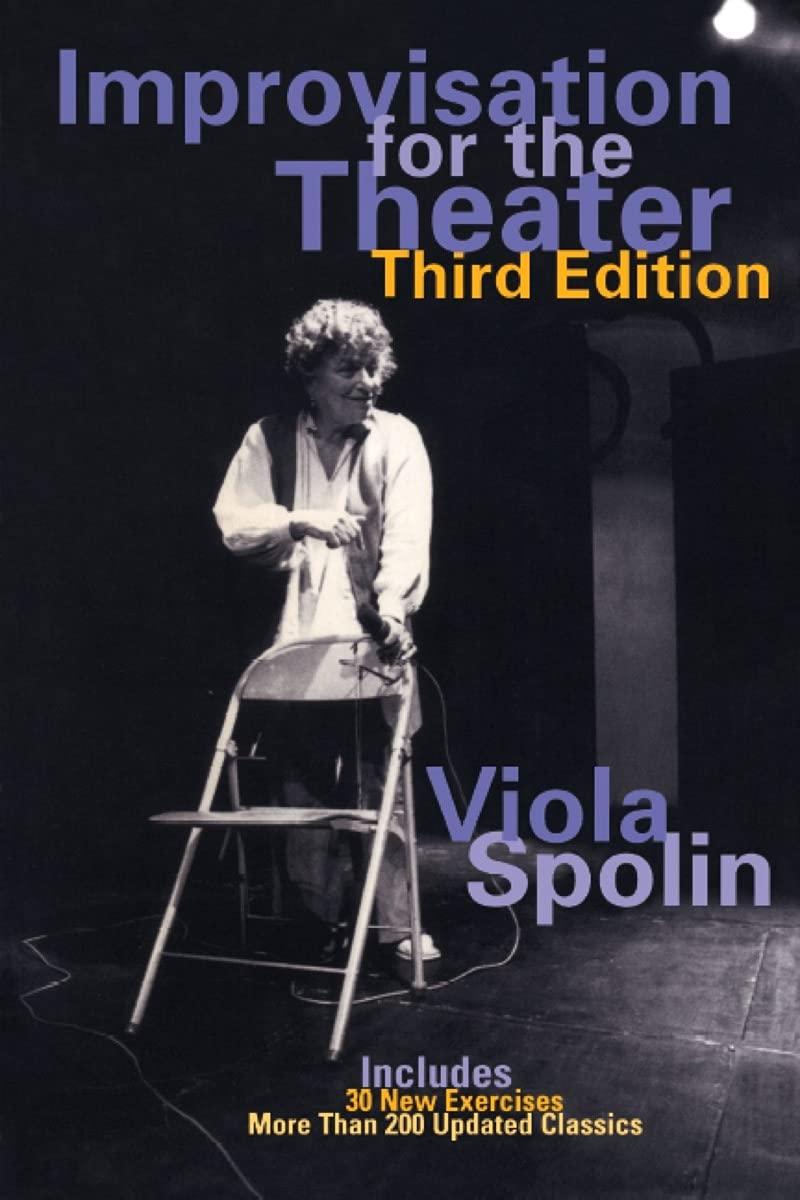
Improvisation for the Theater
A Handbook of Teaching and Directing Techniques
Viola Spolin
Theater Games for the Lone Actor
Viola Spolin

The Young Actor's Book of Improvisation
Dramatic Situations
Sandra Caruso; Susan Kosoff

Book on Acting
Improvisation Technique for the Professional Actor in Film, Theater & Television
Stephen Book
Related Exercises
Endowments
Endowments is a foundational improv exercise in which scene partners assign each other characteristics, traits, relationships, or histories through behavior and dialogue rather than stating them directly. One performer treats the other as though they possess a specific quality (expertise, nervousness, authority, beauty), and the endowed performer discovers and adopts that quality through the way they are treated. The exercise trains the skill of giving and receiving information through implication rather than exposition. Endowment technique is fundamental to nearly all improvised scene work, forming the basis of how characters discover their identities, relationships, and circumstances in real time.
Emotional Endowment
Emotional Endowment is an applied improv exercise in which partners endow each other with an emotional state or characteristic that the other must accept and embody. One player assigns an emotional reality to their partner -- "You are devastated," "You are secretly thrilled" -- and the partner must accept that endowment fully without negotiating, correcting, or breaking the offer. The exercise develops awareness of emotional offers, the practice of acceptance, and the difference between explaining an emotion and inhabiting it.
The Lineage
Explore the schools and structures that influenced or evolved from Object Endowment.
Improvisation for the Theater (Spolin)
How to Reference This Page
The Improv Archive. (2026). Object Endowment. Retrieved September 28, 2026, from https://improvarchive.org/exercises/object-endowment
The Improv Archive. "Object Endowment." The Improv Archive, 2026. https://improvarchive.org/exercises/object-endowment.
The Improv Archive. "Object Endowment." The Improv Archive, 2026, https://improvarchive.org/exercises/object-endowment. Accessed September 28, 2026.
The Improv Archive is a systemically maintained repository. The archive itself acts as the corporate author.