Clown 12345 is a clowning exercise that progresses through five numbered stages of physical and emotional exposure, developing performers' comfort with presence, visibility, and playful self-expression. Each stage increases the degree to which the performer is fully available to be seen, culminating in full clown engagement with no protective distance between the performer and the audience.
Structure
Setup
Players stand spread across the space or in a loose group facing the coach. The coach introduces five numbered states of engagement, from most controlled to most open.
The Five Stages
At Stage 1, players adopt a neutral physical state: walking naturally, body at ease, no performance intention. At Stage 2, players become aware of being watched and allow that awareness to register physically without exaggerating it. At Stage 3, players enter active play: they begin to notice and heighten something genuinely amusing in their immediate environment or impulse. At Stage 4, players move into full clown engagement: physical expression is amplified, reactions are complete, delight in small stimuli is unfiltered. At Stage 5, players reach maximum openness: fully present, completely available to the room, responding to the smallest impulse with total commitment.
Progression
The coach calls numbers aloud, holding each stage long enough for players to find it before advancing. Players move between stages as a group. Advanced runs move back and forth between stages rather than always ascending, testing players' ability to modulate exposure.
Conclusion
The coach calls a freeze at a high stage and asks players to hold the physical state, then observe it.
How to Teach It
Objectives
Clown 12345 targets presence, physical expressiveness, and the performer's relationship to being seen. The exercise gives players a structured vocabulary for modulating their level of openness, making it useful for both clown training and broader work on performer availability.
How to Explain It
"We have five levels. One is neutral -- you're just here. Five is completely open -- nothing between you and the room. I'll call a number and you find that state in your body. There's no right way to look; there's just how open you are. We'll move through all five."
Scaffolding
With beginners, spend more time at Stage 1 and 2, establishing the genuine experience of neutral before introducing the playful states. Some players default to performing openness rather than finding it; encourage them to find something genuinely interesting or amusing in the room rather than pretending to be delighted. With advanced groups, move rapidly between non-sequential stages to test control over the range.
Common Sidocoaching
- "Find something real to be interested in."
- "Let the room in. Don't push out at it."
- "Stage four -- everything is wonderful and you have no idea why."
- "Drop back to two. Hold it. Now three -- what changed?"
Common Pitfalls
Players often confuse high stages with volume or mugging, producing loud, performative clowning rather than genuine openness. The highest stages should feel available rather than forceful. A second common pitfall is players who stay in one emotional register across all stages rather than genuinely modulating; gentle redirects asking them to notice a specific thing in the room help reset.
In Applied Settings
Learning Objectives
In applied settings, Clown 12345 addresses the relationship between professional performance anxiety and authentic presence. The exercise gives participants a concrete framework for understanding their own default level of self-protective distance in group situations, and for practicing deliberate modulation of that distance.
Workplace Transfer
Many professionals operate at Stage 1 or 2 in meetings and presentations: technically present but not fully available to the room. The exercise makes that default visible and gives participants a physical language for what it feels like to step into greater openness. This has direct relevance for presenters, facilitators, and leaders who need to connect with a room rather than merely address it.
Facilitation Context
The exercise is used in presentation skills workshops, leadership development programs, and communications training with groups from business, education, and the helping professions. It works well as an early session activity that frames the rest of a workshop around presence and authentic engagement rather than technique.
Debrief Framing
After the exercise, facilitators ask: "Which stage do you typically operate at in your work day? Which stage do you wish you could access more easily? What gets in the way?" These questions connect the physical experience directly to professional communication habits.
Skills Developed
Worth Reading
See all books →
The Applied Improvisation Mindset
Tools for Transforming Individuals, Organizations, and Communities
Theresa Robbins Dudeck; Caitlin McClure
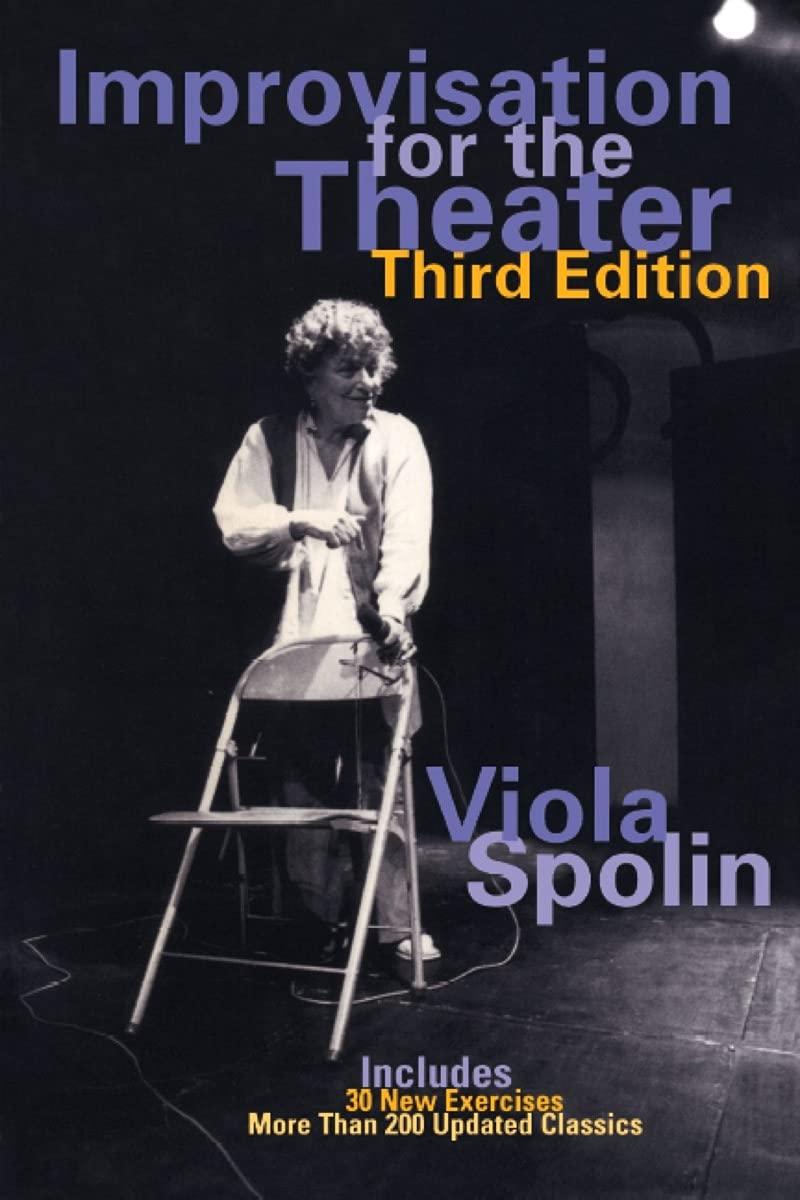
Improvisation for the Theater
A Handbook of Teaching and Directing Techniques
Viola Spolin
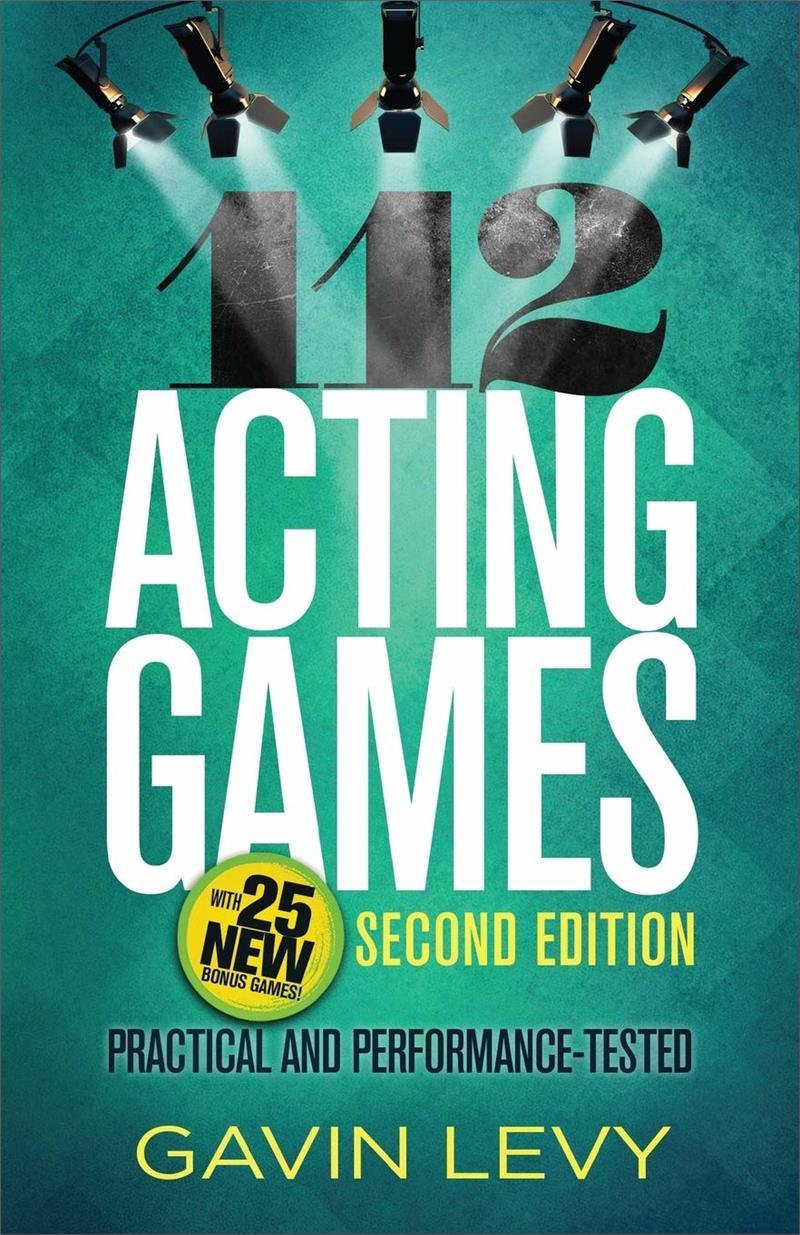
112 Acting Games
Gavin Levy
Theater Games for the Lone Actor
Viola Spolin
Theater Games for Rehearsal
Viola Spolin

Mask Improvisation for Actor Training and Performance
the compelling image
Sears A. Eldredge
Related Exercises
Barney
Barney is an energy and movement warm-up exercise in which players adopt an exaggerated, lumbering physical character and interact with the group through simple, playful commands. The exercise asks participants to embody a large, slow, friendly creature (often described as a dinosaur or monster) and move through the space with maximum physical commitment and minimum self-consciousness. The inherent silliness of the character lowers inhibitions quickly, making Barney effective as an early warm-up for groups that are new to physical work or uncomfortable with large physical choices. The exercise builds comfort with exaggerated movement, vocal projection, and the willingness to look ridiculous in front of others, all foundational skills for improv performance.
Making Faces
Making Faces is a warm-up exercise in which players practice exaggerated facial expressions, cycling through emotions, mirroring a partner, or responding to facilitator prompts. The exercise loosens inhibition around physical expressiveness and helps performers discover how facial choices communicate character and emotion instantly. Many performers rely primarily on voice and words; Making Faces redirects attention to the face as a primary communication instrument. The exercise serves as an accessible entry point for physical comedy work and character creation.
Performance of an Audience
Performance of an Audience is an applied improvisation exercise that explores the reciprocal relationship between performer and spectator. Participants experience both roles, discovering how the quality of attention an audience gives shapes the performer's experience and how conscious, engaged witnessing differs from passive spectating. The exercise builds awareness that presence and attention are active contributions to any group interaction.
Bunny
Bunny is a high-energy circle exercise in which players pass a rhythmic pattern around the group through a combination of chanted sounds and synchronized gestures. The player designated as the bunny performs a central action, typically holding both hands beside the head like ears while chanting "bunny bunny," while the two players on either side perform complementary supporting gestures. The bunny then passes to another player across the circle, and the pattern repeats with increasing speed. The exercise builds group rhythm, peripheral awareness, and comfort with looking foolish. It is widely used as a warm-up in both theatrical and corporate training contexts, valued for its ability to lower inhibitions, demand focus, and generate collective energy through structured silliness.
Faces
Faces is an exercise in which players explore extreme facial expressions and the emotions they generate. By exaggerating the muscles of the face, performers discover how external expression triggers internal feeling. The exercise loosens facial tension and builds expressive range.
Mirror
Mirror is a foundational partner exercise in which one player moves and the other copies with as much precision as possible. The basic challenge is simple to see and simple to feel: both players must stay connected closely enough that the movement reads as one shared action instead of one person chasing the other. Across published training material, Mirror is used to build concentration, body awareness, responsiveness, and nonverbal listening.
The Lineage
Explore the schools and structures that influenced or evolved from Clown 12345.
The Applied Improvisation Mindset (Dudeck & McClure)
How to Reference This Page
The Improv Archive. (2026). Clown 12345. Retrieved September 28, 2026, from https://improvarchive.org/exercises/clown-12345
The Improv Archive. "Clown 12345." The Improv Archive, 2026. https://improvarchive.org/exercises/clown-12345.
The Improv Archive. "Clown 12345." The Improv Archive, 2026, https://improvarchive.org/exercises/clown-12345. Accessed September 28, 2026.
The Improv Archive is a systemically maintained repository. The archive itself acts as the corporate author.