Peruvian Ball Game
Peruvian Ball Game is an energetic warm-up exercise in which each player creates an imaginary ball with distinct physical properties, plays with it to establish its reality, then exchanges it with other players before attempting to locate and retrieve the original. The exercise develops mime precision, concentration, and spatial awareness while generating high energy through committed physical play.
Structure
Setup
Players spread out across the room with enough space for each person to move freely. No props are used.
Progression
Each player creates an imaginary ball in their hands. The ball must have specific, observable characteristics: a particular weight, size, texture, and behavior. One player's ball might be a heavy medicine ball that requires two hands and bent knees. Another's might be a tiny rubber bouncy ball that leaps unpredictably. The physical properties should be distinct enough that an observer could identify the ball by watching how the player handles it.
Players spend time getting to know their ball, tossing it, bouncing it, rolling it, and testing its limits. The facilitator encourages exaggerated physical commitment: sounds, facial expressions, and full-body engagement with the imaginary object.
At the facilitator's signal, every player passes their ball to someone nearby. The receiving player must observe the ball's properties during the handoff and maintain them faithfully. At the next signal, players exchange again with a different person.
After two or more exchanges, the facilitator calls for retrieval. Each player must find their original ball by moving through the room, examining the balls others are now holding, and identifying their own by its physical characteristics. Players negotiate trades until everyone has recovered their original ball.
Conclusion
The group discusses what made certain balls easy or difficult to identify. Balls with strong, specific physical choices survive multiple exchanges intact. Vague or generic object work disappears quickly.
How to Teach It
Objectives
Peruvian Ball Game trains concentration, mime precision, and the ability to communicate physical reality through committed object work. The retrieval phase adds a memory and observation challenge that rewards players who made strong, specific choices at the start. The exercise also builds ensemble energy: the room fills with exaggerated physical play, sound, and movement, making it an effective warm-up for both bodies and imaginations.
How to Explain It
"Create an imaginary ball. Give it a specific weight, size, and texture. Play with it. Get to know it. When I say switch, hand your ball to someone else and take theirs. After a few switches, you are going to have to find your original ball and get it back."
Scaffolding
Begin with a single exchange and immediate retrieval. This lets players experience the full cycle with minimal complexity. Once the group understands the structure, increase to two or three exchanges before retrieval. The more exchanges, the harder the retrieval and the more the exercise rewards precise object work.
For groups new to mime, spend extra time on the creation phase. Ask players to demonstrate their ball's properties to a partner before the first exchange. This builds confidence and establishes a standard of specificity.
Common Pitfalls
The most common issue is players who create vague, generic balls with no distinguishing characteristics. These balls become impossible to identify after even one exchange. Coach players to make bold, specific choices: a ball that is sticky, or freezing cold, or the size of a watermelon.
A second issue is players who drop the physical properties during exchanges, handing off the ball carelessly. Remind them that the exchange itself is a performance. The way they hand the ball over communicates everything the next player needs to know.
History
Peruvian Ball Game was developed by Augusto Boal as part of his Theatre of the Oppressed work in Peru during the 1970s. Boal created participatory theatre exercises designed to be accessible to untrained participants, and this exercise reflects that philosophy: it requires no theatrical experience, only a willingness to play. The exercise was published in his foundational text Games for Actors and Non-Actors, originally released in Portuguese as Jogos para Atores e Nao-Atores and translated into English by Routledge in 1992. It has since been adopted widely in improv training, drama education, and applied facilitation.
Worth Reading
See all books →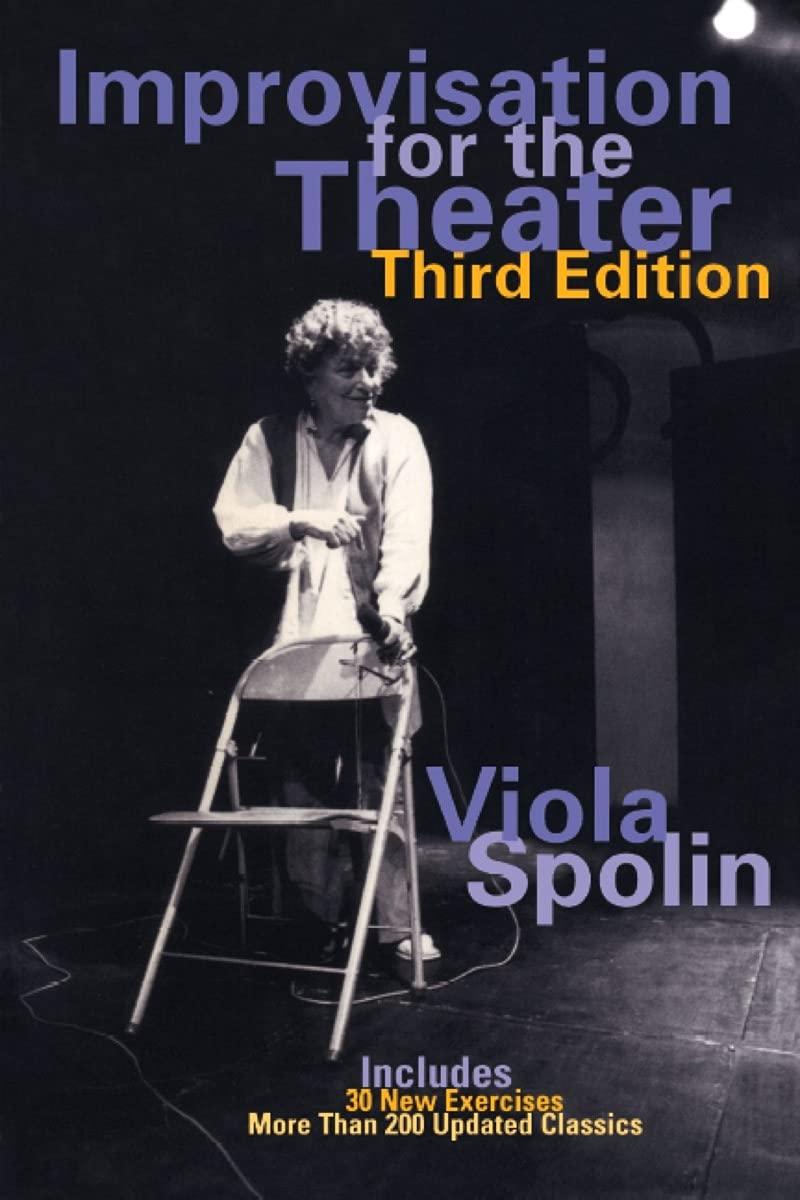
Improvisation for the Theater
A Handbook of Teaching and Directing Techniques
Viola Spolin
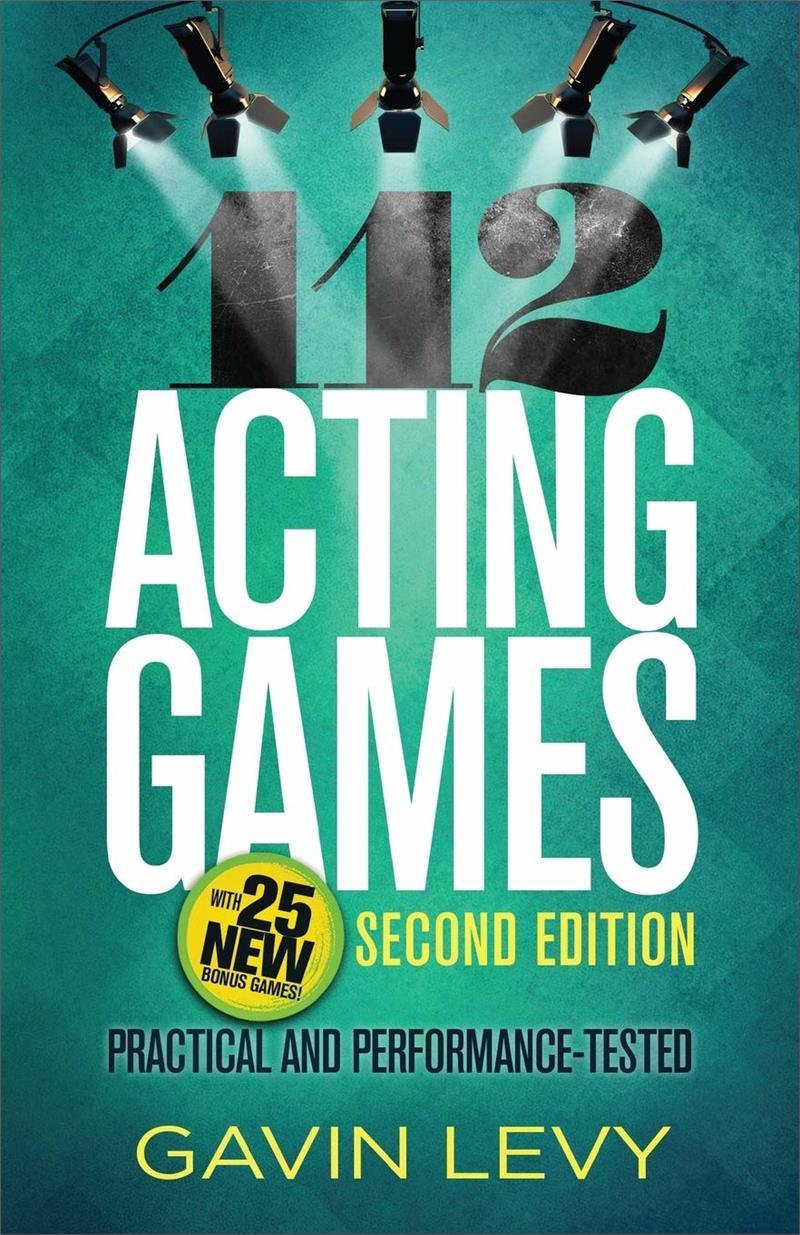
112 Acting Games
Gavin Levy
Theater Games for Rehearsal
Viola Spolin
Theater Games for the Classroom
Viola Spolin
Theater Games for the Lone Actor
Viola Spolin

The Young Actor's Book of Improvisation
Dramatic Situations
Sandra Caruso; Susan Kosoff
Related Exercises
Tossing
Tossing is a circle warm-up exercise in which players pass real or imaginary objects around the group with clear physical intention. Each exchange requires specific attention to the give and the receive: the sender must establish the object's weight, size, and nature before releasing it; the receiver must honor those physical qualities in the catch and carry. The exercise trains physical specificity, eye contact, ensemble attention, and the fundamental habit of truly giving something to a partner.
Pass Ball
Pass Ball is a circle warm-up exercise in which players toss a real or imaginary ball around the group while maintaining eye contact with the intended recipient. Additional balls may be introduced to increase complexity, requiring the group to track multiple objects simultaneously. The exercise builds focus, nonverbal communication, and the habit of making clear, directed offers to specific partners rather than throwing ideas into the void.
Passing Around Objects
Passing Around Objects is a circle exercise in which players create imaginary objects with distinct physical properties and pass them to their neighbors, who must receive and reproduce each object faithfully before sending it on. When objects return to their creators, the group examines what changed along the way. The exercise develops object work consistency, observation, and the discipline of treating a partner's physical choices as real.
Red Ball
Red Ball is a circle warm-up exercise in which participants mime passing an imaginary red ball around the group, with both thrower and catcher naming the object aloud. As the exercise progresses, additional imaginary objects are introduced simultaneously, training focus, multitasking, and group awareness.
Word Ball
Word Ball is a circle exercise in which participants pass an imaginary ball while simultaneously passing a word. The physical throw and the verbal word must match in speed, weight, and direction, creating a coordination challenge that links physical and verbal offer-making.
Object Circle
Object Circle is a warm-up exercise in which participants stand in a circle and pass physical or mimed objects to each other, transforming each object through imagination as it travels. One participant sends an object with a specific size, weight, and character; the next participant receives it, uses it briefly, then transforms it into something new before passing it on. The exercise develops physical specificity, collaborative imagination, and the habit of accepting and building on what a partner offers.
How to Reference This Page
The Improv Archive. (2026). Peruvian Ball Game. Retrieved September 28, 2026, from https://improvarchive.org/exercises/peruvian-ball-game
The Improv Archive. "Peruvian Ball Game." The Improv Archive, 2026. https://improvarchive.org/exercises/peruvian-ball-game.
The Improv Archive. "Peruvian Ball Game." The Improv Archive, 2026, https://improvarchive.org/exercises/peruvian-ball-game. Accessed September 28, 2026.
The Improv Archive is a systemically maintained repository. The archive itself acts as the corporate author.