Pass Ball
Pass Ball is a circle warm-up exercise in which players toss a real or imaginary ball around the group while maintaining eye contact with the intended recipient. Additional balls may be introduced to increase complexity, requiring the group to track multiple objects simultaneously. The exercise builds focus, nonverbal communication, and the habit of making clear, directed offers to specific partners rather than throwing ideas into the void.
Structure
Setup
Players stand in a circle with enough space between them to toss a ball comfortably. The exercise can use a real soft ball or an entirely mimed one. If using an imaginary ball, the facilitator establishes its size, weight, and behavior at the start.
Progression
The first player makes eye contact with another player across the circle, says the recipient's name or gives a clear nonverbal signal, and throws the ball. The recipient catches it, acknowledges the throw, then makes eye contact with a new recipient and passes it on. The ball should travel to a different person each time rather than bouncing between the same two players.
Once the group has a steady rhythm with one ball, the facilitator introduces a second ball of a different type: a bowling ball that requires two hands and a grunt of effort, a tiny marble that demands careful finger-pinch passing, a hot potato that must be thrown immediately. Each new ball has its own physical logic that players must honor while continuing to track all other balls in motion.
The exercise builds in complexity as more objects circulate simultaneously. The group must split their attention between throwing, catching, tracking, and communicating, all while maintaining the physical reality of each distinct object.
Conclusion
The facilitator removes balls one at a time or calls a freeze when the group reaches peak complexity. A brief check-in follows about what strategies helped the group manage multiple objects.
How to Teach It
Objectives
Pass Ball trains three foundational improv skills simultaneously: focus (tracking multiple elements), nonverbal communication (making clear offers through eye contact and body language), and object work (maintaining the physical reality of imaginary objects). The exercise also builds ensemble awareness as players learn to read the state of the entire group, not just their immediate partner.
How to Explain It
"We are going to pass a ball around the circle. Before you throw, make eye contact with the person you are throwing to. Say their name. Make sure they are ready. Catch the ball, take a breath, then find your next target. When I add more balls, keep track of all of them. Each ball is different, so handle them differently."
Scaffolding
Begin with a single real ball and names. This grounds the exercise in concrete physical action. Once the group is comfortable, switch to an imaginary ball and ask players to define its properties through their handling. Then introduce additional imaginary objects with contrasting physical properties: heavy versus light, large versus small, fragile versus durable.
For groups that struggle with multiple objects, reduce back to two balls and let them build confidence before adding a third.
Common Pitfalls
The most common issue is players who throw without making eye contact first, sending the ball to someone who is not ready. Coach them to wait for acknowledgment before releasing. The throw is the easy part. The connection is what matters.
A second issue is players who drop the physical specificity of different objects, handling the bowling ball the same way they handle the marble. Remind them that the audience (and their partners) read the reality of the object through how it is handled.
Worth Reading
See all books →
Business Improv
Experiential Learning Exercises to Train Employees
Val Gee
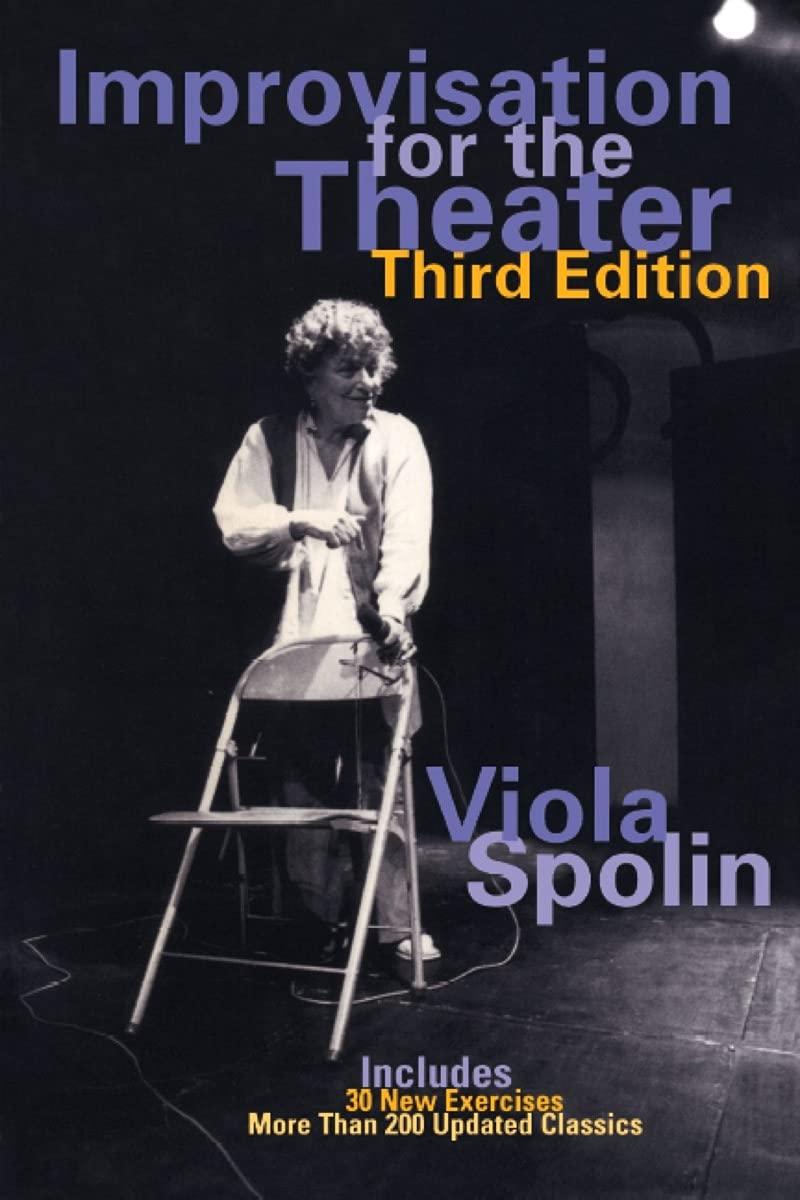
Improvisation for the Theater
A Handbook of Teaching and Directing Techniques
Viola Spolin

Group Improvisation
The Manual of Ensemble Improv Games
Peter Campbell Gwinn; Charna Halpern
Theater Games for Rehearsal
Viola Spolin

Playing Along
37 Group Learning Activities Borrowed from Improvisational Theater
Izzy Gesell
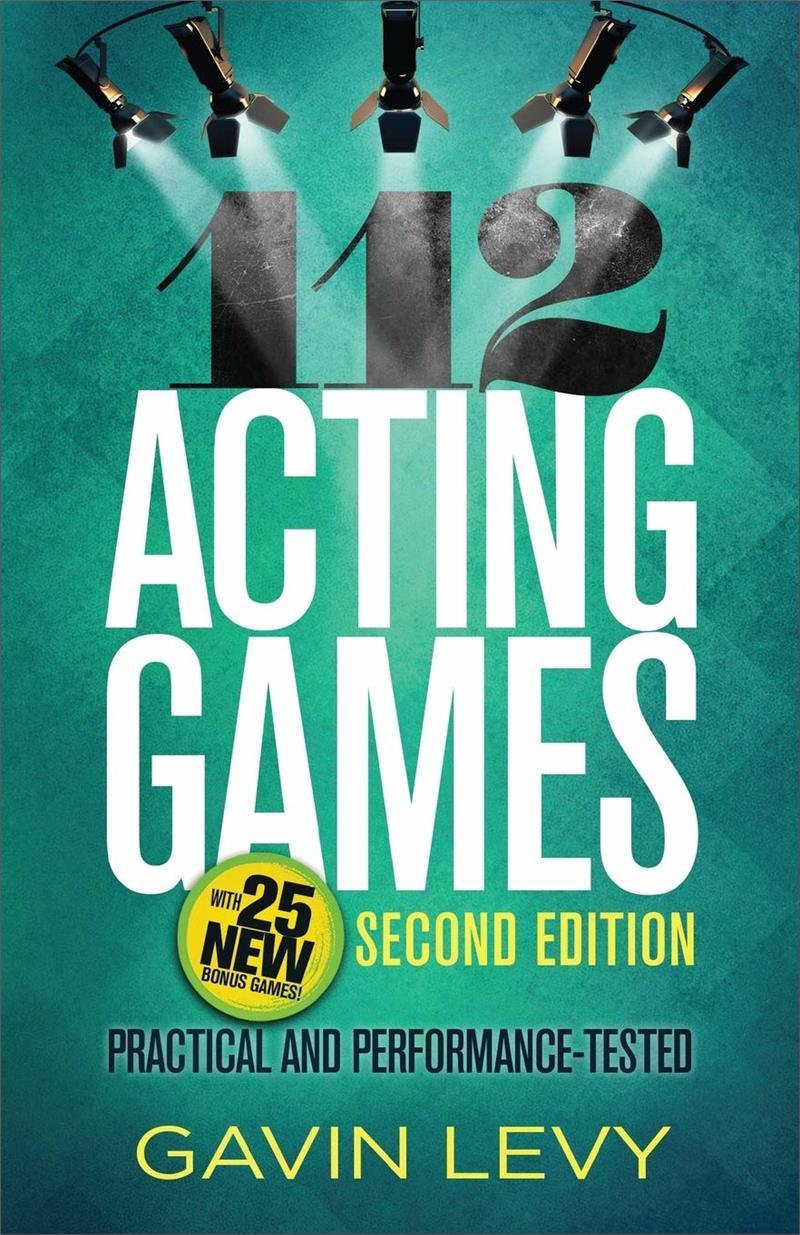
112 Acting Games
Gavin Levy
Related Exercises
Red Ball
Red Ball is a circle warm-up exercise in which participants mime passing an imaginary red ball around the group, with both thrower and catcher naming the object aloud. As the exercise progresses, additional imaginary objects are introduced simultaneously, training focus, multitasking, and group awareness.
Tossing
Tossing is a circle warm-up exercise in which players pass real or imaginary objects around the group with clear physical intention. Each exchange requires specific attention to the give and the receive: the sender must establish the object's weight, size, and nature before releasing it; the receiver must honor those physical qualities in the catch and carry. The exercise trains physical specificity, eye contact, ensemble attention, and the fundamental habit of truly giving something to a partner.
Passing Around Objects
Passing Around Objects is a circle exercise in which players create imaginary objects with distinct physical properties and pass them to their neighbors, who must receive and reproduce each object faithfully before sending it on. When objects return to their creators, the group examines what changed along the way. The exercise develops object work consistency, observation, and the discipline of treating a partner's physical choices as real.
Pass Catch
Pass Catch is a circle warm-up in which players pass unique poses and sounds around the group. Each player receives an offer by mirroring the previous player's pose and sound exactly, then immediately invents a completely new pose and sound to send to the next person. The exercise builds comfort with silliness, sharpens the habit of fully accepting offers before generating new ones, and warms up physical expressiveness.
Object Circle
Object Circle is a warm-up exercise in which participants stand in a circle and pass physical or mimed objects to each other, transforming each object through imagination as it travels. One participant sends an object with a specific size, weight, and character; the next participant receives it, uses it briefly, then transforms it into something new before passing it on. The exercise develops physical specificity, collaborative imagination, and the habit of accepting and building on what a partner offers.
Pass the Clap
Pass the Clap is a focus exercise in which players pass a synchronized clap around a circle through eye contact alone. Two players coordinate to clap at precisely the same moment, producing a single unified sound that travels from person to person. The exercise trains nonverbal communication, attentiveness, and the ability to match a partner's timing without verbal cues.
How to Reference This Page
The Improv Archive. (2026). Pass Ball. Retrieved September 28, 2026, from https://improvarchive.org/exercises/pass-ball
The Improv Archive. "Pass Ball." The Improv Archive, 2026. https://improvarchive.org/exercises/pass-ball.
The Improv Archive. "Pass Ball." The Improv Archive, 2026, https://improvarchive.org/exercises/pass-ball. Accessed September 28, 2026.
The Improv Archive is a systemically maintained repository. The archive itself acts as the corporate author.