Shared Holiday
Shared Holiday is a scene exercise in which performers play characters experiencing a holiday or special occasion together, using the built-in expectations and rituals of holidays to generate relationship dynamics, emotional stakes, and scene structure.
Structure
Setup
The facilitator assigns or the group suggests a specific holiday or occasion: Thanksgiving, a birthday party, New Year's Eve, a wedding anniversary, graduation, or a religious observance. Two or more performers take the stage as characters who are sharing this occasion.
Establishing the Occasion
Performers ground the scene in the specific rituals and expectations of the chosen holiday. A Thanksgiving scene involves cooking, the dinner table, and family arrivals. A birthday party scene involves gifts, cake, and the guest of honor. These shared cultural references give performers a rich vocabulary of physical actions and emotional expectations.
Relationship Through Ritual
The holiday context reveals character relationships through how people participate in or resist the occasion's rituals. A character who refuses to sit at the main table communicates volumes about family dynamics. A character who over-prepares for a birthday party reveals their need for control or their deep affection. The holiday provides a stage on which relationships perform themselves.
Emotional Stakes
Holidays carry inherent emotional pressure: expectations of togetherness, unresolved family tensions, nostalgia, and the gap between how the occasion should feel and how it actually feels. Performers can tap into this tension without manufacturing conflict. The holiday does the heavy lifting.
Variations
An invented holiday version has performers create and celebrate a holiday that does not exist, defining its rituals as they go. A first-and-last version plays the first time characters celebrate a holiday together and then the last time, years later. A cultural exchange version pairs characters from different traditions sharing an unfamiliar holiday.
How to Teach It
Objectives
Shared Holiday trains performers to use environmental context and shared cultural knowledge to build scenes with built-in structure and emotional resonance. It develops the ability to let setting do scenic work rather than relying solely on dialogue.
How to Explain It
"Play a scene set during a specific holiday or occasion. Let the rituals of that holiday shape what your characters do and reveal how they relate to each other. The holiday is not the background. It is the engine of the scene."
Scaffolding
Begin with widely known holidays that carry strong ritual associations. Thanksgiving, Christmas, or birthday parties provide clear physical activities and emotional expectations. Move to less ritualized occasions such as a first day of school or a retirement party once performers demonstrate comfort using setting as scene structure.
Common Pitfalls
Performers sometimes use the holiday as a topic of conversation rather than a lived experience. Two characters discussing Thanksgiving plans is less compelling than two characters in the middle of preparing the meal. The facilitator should push performers toward active participation in the occasion rather than narration about it.
Worth Reading
See all books →
Theatrical Improvisation, Consciousness, and Cognition
Clayton D. Drinko

Improvising Real Life
Personal Story in Playback Theatre
Jo Salas
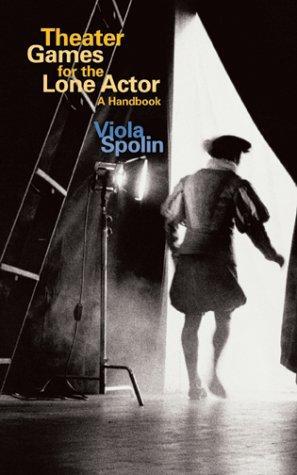
Theater Games for the Lone Actor
Viola Spolin

The Young Actor's Book of Improvisation
Dramatic Situations
Sandra Caruso; Susan Kosoff
Theater Games for Rehearsal
Viola Spolin

Playing Along
37 Group Learning Activities Borrowed from Improvisational Theater
Izzy Gesell
Related Exercises
Rituals
Rituals is a scene exercise in which performers explore the behavioral rhythms of repeated, patterned actions: the small ceremonies people perform when making coffee, setting a table, greeting a colleague, or preparing for sleep. By slowing down and physicalizing the precise sequence of a ritual, players develop attention to behavioral specificity and discover that the way a character moves through their routines reveals character, relationship, and emotional state as clearly as explicit dialogue.
Share Your Story
Share Your Story is an applied improvisation exercise in which participants practice crafting and delivering compelling personal narratives using improvisational storytelling techniques. The exercise develops the ability to structure real experiences into engaging stories that connect with listeners.
Meal
Meal is an applied improv exercise structured around the experience of sharing a meal -- real or imagined -- as a vehicle for group connection, honest conversation, and collaborative presence. The exercise uses the social ritual of eating together as a framework for lowering defensive barriers, encouraging personal disclosure, and building the interpersonal familiarity that applied improv programs often need to establish quickly at the start of a workshop or retreat.
Scenes in the Same Setting
Scenes in the Same Setting is an exercise in which multiple pairs or groups perform separate scenes all set in the same location, exploring how a single environment can host vastly different characters, relationships, and stories. The exercise demonstrates that setting is a springboard rather than a limitation.
How to Reference This Page
The Improv Archive. (2026). Shared Holiday. Retrieved September 28, 2026, from https://improvarchive.org/exercises/shared-holiday
The Improv Archive. "Shared Holiday." The Improv Archive, 2026. https://improvarchive.org/exercises/shared-holiday.
The Improv Archive. "Shared Holiday." The Improv Archive, 2026, https://improvarchive.org/exercises/shared-holiday. Accessed September 28, 2026.
The Improv Archive is a systemically maintained repository. The archive itself acts as the corporate author.