Snap is a high-energy ensemble exercise using snapping to create patterns and rhythms, developing group coordination, focus, and the ability to maintain individual contributions within a collective effort. The exercise builds from simple unison snapping to complex polyrhythmic structures.
Structure
Setup
Participants stand in a circle. The facilitator establishes a basic snap rhythm that the entire group follows in unison. Everyone snaps together on the same beat.
Building Complexity
Once the group achieves a steady unison rhythm, the facilitator introduces variations. The group might split into two halves snapping on alternating beats, creating an interlocking pattern. Individual participants may be invited to add syncopated snaps between the main beats. The rhythm grows in complexity as more layers are added.
Pattern Development
The exercise progresses through several stages of coordination. Participants may pass the snap around the circle, with each person snapping in sequence. They may create call-and-response patterns where one side of the circle snaps a rhythm and the other side echoes it. They may develop polyrhythmic structures where different sections of the group maintain different patterns simultaneously.
Group Dynamics
The exercise requires constant attention to the group's collective sound. Each participant must listen to the overall pattern while maintaining their own contribution. When the group achieves a complex, interlocking rhythm, the result is a collective creation that no individual could produce alone.
How to Teach It
Objectives
Snap develops rhythmic awareness, group coordination, active listening, and the ability to maintain individual focus within collective activity. It demonstrates how simple individual actions can combine into complex group creations.
How to Explain It
"We are going to snap together. Start with a simple rhythm and follow my lead. As we go, we will add layers and complexity. Your job is to listen to everyone else while maintaining your own part."
Scaffolding
Begin with simple unison snapping on a steady beat. Introduce alternating patterns only after the group demonstrates a stable shared rhythm. Add more complex layers gradually, ensuring each new element is stable before introducing the next.
Common Pitfalls
The most common issue is participants who snap too loudly, trying to be heard over the group rather than blending with it. Another pitfall is rushing the tempo when complexity increases. The facilitator should model steady tempo maintenance and coach participants to prioritize the collective sound over individual volume.
In Applied Settings
Workplace Applications
Snap translates directly to team coordination exercises in professional settings. The exercise demonstrates how individual contributions combine into collective outcomes, making it useful for teams learning to coordinate on complex projects where multiple workstreams must align.
Communication Training
The exercise provides a physical metaphor for active listening in group communication. Participants experience the difference between hearing others and actively integrating what they hear into their own contributions.
Facilitation Notes
In applied contexts, debrief the experience by asking participants to identify parallels between maintaining a rhythm while others create different patterns and their experience of collaborative work. The exercise often surfaces insights about the tension between individual contribution and group coherence.
Skills Developed
Worth Reading
See all books →
Group Improvisation
The Manual of Ensemble Improv Games
Peter Campbell Gwinn; Charna Halpern

The Applied Improvisation Mindset
Tools for Transforming Individuals, Organizations, and Communities
Theresa Robbins Dudeck; Caitlin McClure

The 5 Elements of Improv
How to Take Your Improv to the Next Level
Andrew M. Spragge; Karen L. Eichler

Playing Along
37 Group Learning Activities Borrowed from Improvisational Theater
Izzy Gesell
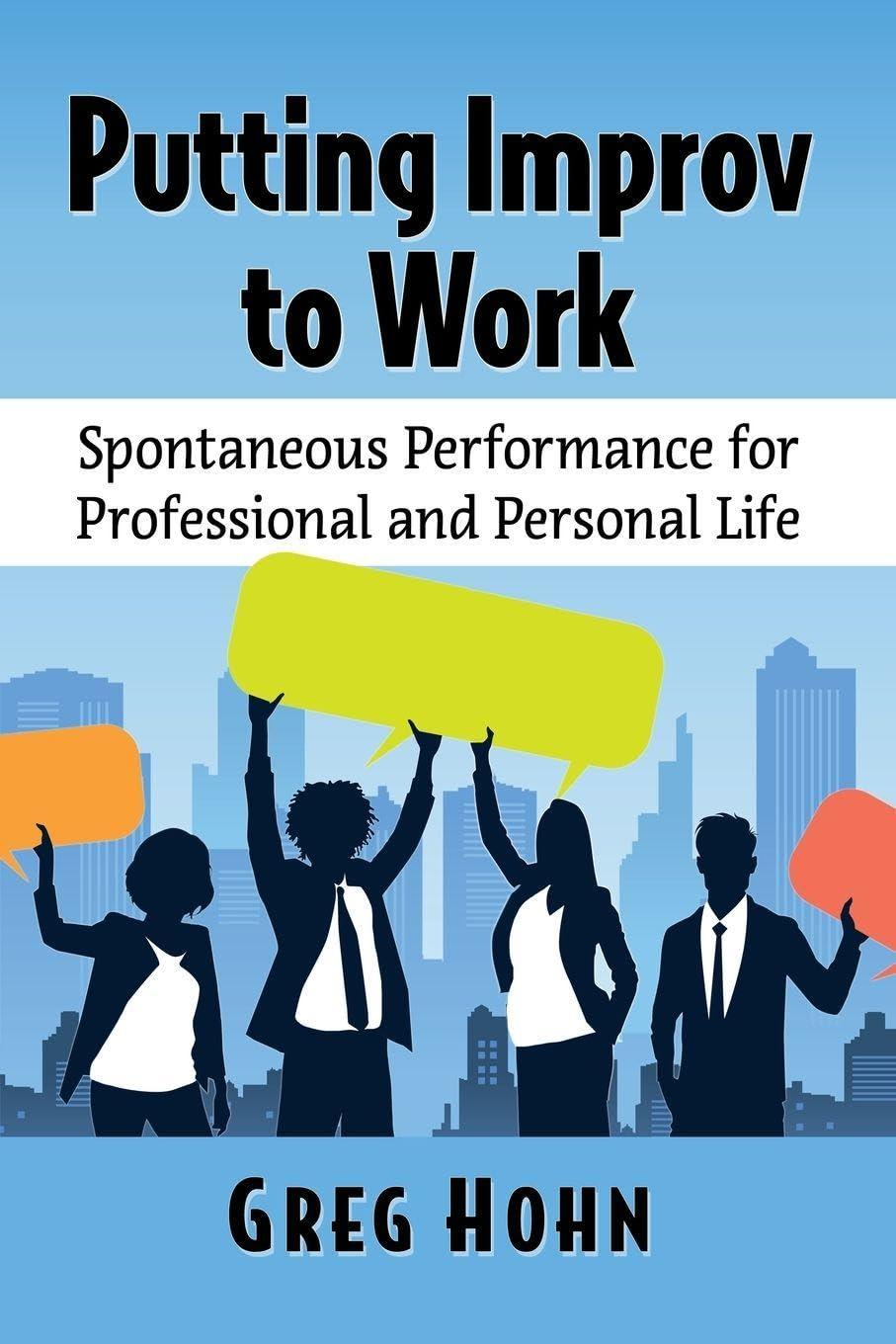
Putting Improv to Work
Spontaneous Performance for Leadership, Learning, and Life
Greg Hohn
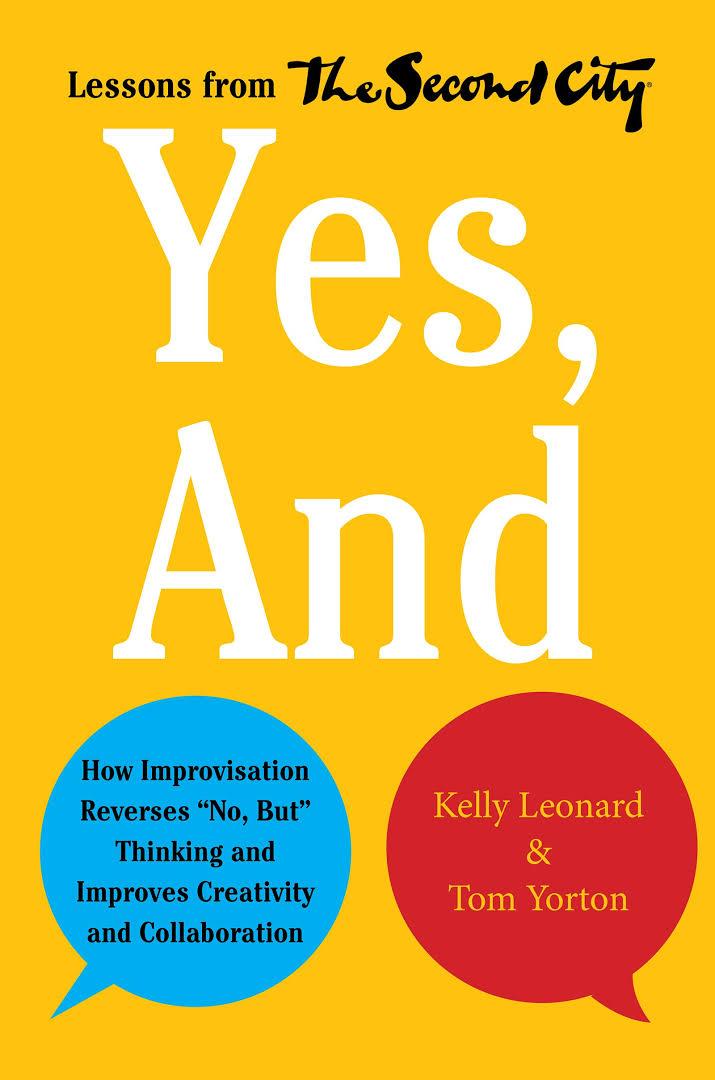
Yes, And
How Improvisation Reverses No, But Thinking and Improves Creativity and Collaboration
Kelly Leonard; Tom Yorton
Related Exercises
Snap Clap Stomp Cheer
Snap Clap Stomp Cheer is a rhythmic circle game using snapping, clapping, stomping, and cheering in sequences. The exercise develops focus, physical coordination, and ensemble awareness through progressively complex rhythmic patterns.
Clap Snap Stamp
Clap Snap Stamp is a rhythm exercise in which players layer claps, finger snaps, and foot stamps into progressively complex patterns. The activity builds physical coordination and group timing, training collective listening through a shared physical pulse. It is commonly used as an energizing warm-up that prepares the body and mind for the demands of performance.
Clap Snap Association
Clap Snap Association is a word association exercise that adds a rhythmic structure of alternating claps and snaps. Players must produce associations in time with the beat, and falling off rhythm results in elimination. The dual demand of rhythm and spontaneity trains performers to think freely under structured pressure.
Synchronised Clapping
Synchronised Clapping is a group focus exercise in which players clap together in rhythm, gradually increasing complexity by adding variations, syncopations, or polyrhythms. The exercise develops listening, rhythmic awareness, and the ability to maintain individual precision within a collective pattern.
Snap Pass
Snap Pass is a focus exercise in which participants pass energy around a circle using snaps, requiring precise attention and timing. Each snap must be directed to a specific person, who receives it and passes it to the next, creating a chain of deliberate focus transfers.
Synchro Clap
Synchro Clap is a group focus exercise in which players attempt to clap simultaneously without any verbal coordination or designated leader. The exercise develops ensemble awareness and the ability to read and respond to the group's collective energy.
The Lineage
Explore the schools and structures that influenced or evolved from SNAP!.
The Applied Improvisation Mindset (Dudeck & McClure)
How to Reference This Page
The Improv Archive. (2026). SNAP!. Retrieved September 28, 2026, from https://improvarchive.org/exercises/snap
The Improv Archive. "SNAP!." The Improv Archive, 2026. https://improvarchive.org/exercises/snap.
The Improv Archive. "SNAP!." The Improv Archive, 2026, https://improvarchive.org/exercises/snap. Accessed September 28, 2026.
The Improv Archive is a systemically maintained repository. The archive itself acts as the corporate author.