Thank You is an applied exercise in which participants practice expressing genuine gratitude to one another in a structured group setting. The exercise builds appreciation habits, strengthens interpersonal connection, and creates psychological safety through the ritual acknowledgment of positive contributions.
Structure
The Setup
Participants stand or sit in a circle. The facilitator explains that the group will practice expressing direct, specific gratitude to one another.
The Exchange
One participant turns to another and says, "Thank you for [specific action or quality]." The recipient responds, "You're welcome," and then turns to someone else to offer their own expression of thanks.
Specificity Requirement
Gratitude must name a specific action, behavior, or quality rather than a generic compliment. "Thank you for jumping into that difficult scene" is effective. "Thank you for being great" is not.
Rounds
The exercise continues until everyone has given and received at least one expression of gratitude. Multiple rounds allow for deeper specificity.
How to Teach It
Objectives
Thank You trains participants to notice and name the specific contributions of others. This builds the habit of generous attention, which is foundational to ensemble work and applied improv in professional contexts.
Facilitation Notes
The specificity requirement is the key lever. Generic gratitude is easy and cheap. Specific gratitude requires the giver to have genuinely paid attention. When participants struggle to be specific, it reveals how often positive contributions go unnoticed.
Common Pitfalls
Participants may feel embarrassed or self-conscious receiving direct appreciation. Normalize this discomfort and let it pass. The exercise teaches both giving and receiving acknowledgment as skills.
In Applied Settings
Workplace Teams
Thank You closes team meetings or workshops on a high note by surfacing specific contributions that often go unacknowledged. Used in retrospectives, it counterbalances problem-focused analysis with recognition.
Leadership Development
Managers practice naming specific behaviors they want to reinforce, developing the feedback precision that makes recognition meaningful rather than performative.
Onboarding
New team members use the exercise to acknowledge what they have learned from colleagues in the first days, establishing a culture of expressed appreciation from the outset.
Skills Developed
Worth Reading
See all books →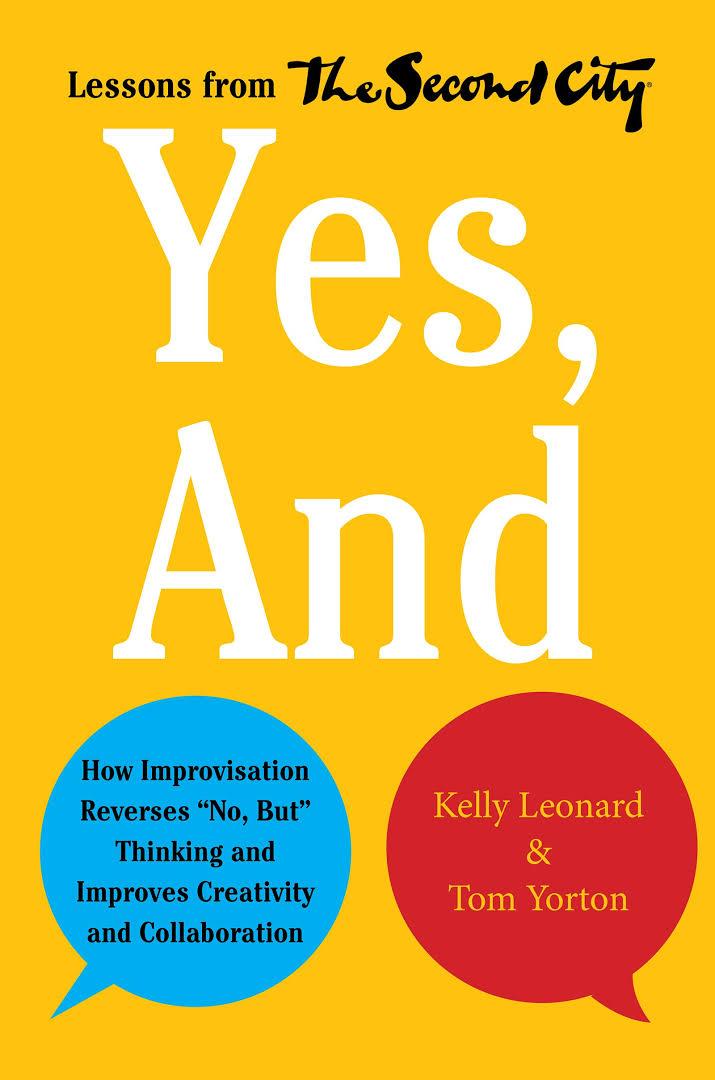
Yes, And
How Improvisation Reverses No, But Thinking and Improves Creativity and Collaboration
Kelly Leonard; Tom Yorton

Business Improv
Experiential Learning Exercises to Train Employees
Val Gee

Comedy and Distinction
The Cultural Currency of a 'Good' Sense of Humour
Sam Friedman

Legislative Theatre
Using Performance to Make Politics
Augusto Boal

Theatrical Improvisation
Short Form, Long Form, and Sketch-Based Improv
Jeanne Leep

The Young Actor's Book of Improvisation
Dramatic Situations
Sandra Caruso; Susan Kosoff
Related Exercises
Gratitude
Gratitude exercises are structured activities for expressing and receiving appreciation in group settings, drawn from applied improvisation practice. The exercises use improv principles -- specificity, presence, and full acknowledgment of another person -- to make gratitude concrete rather than perfunctory. Participants practice directing genuine, specific appreciation toward named individuals and receiving that appreciation without deflecting or minimizing it. The exercises build positive culture, strengthen interpersonal bonds, and establish relational norms that support collaborative work.
Thank You Statues
Thank You Statues is an applied exercise in which participants physically embody a posture of gratitude and then offer a verbal acknowledgment from that position. The exercise combines physical embodiment with explicit appreciation, making the expression of thanks more grounded and less performative.
The Gift
The Gift is an applied exercise in which participants practice offering and receiving acknowledgment framed as a tangible present. One person names a specific quality or contribution they see in a partner and mimes handing it to them as a physical gift. The exercise embodies appreciation and trains both the giving of specific recognition and the graceful receiving of it.
I’m Great, You’re Great, We’re Great
I'm Great, You're Great, We're Great is an energizing group affirmation exercise in which participants affirm themselves, their partners, and the ensemble as a whole through eye contact, physical commitment, and full-voiced declaration. The exercise generates collective momentum and group warmth rapidly, and it trains performers to inhabit positive energy physically rather than performing positivity from a detached or self-conscious position.
Name and Applause
Name and Applause is a group introductory exercise in which each participant states their name and receives a full round of applause from the group. The exercise creates an immediate experience of being seen and celebrated, lowers self-consciousness in new groups, and establishes a culture of generous acknowledgment from the first minutes of a rehearsal or workshop.
The Cycle of Deep Yes And
The Cycle of Deep Yes And is an applied exercise in which participants practice full acceptance and active building in paired conversation, moving through multiple rounds that progressively deepen their commitment to the yes-and principle. The exercise trains the habit of genuine affirmation before contribution.
The Lineage
Explore the schools and structures that influenced or evolved from Thank You.
Business Improv (Gee & Gee)
How to Reference This Page
The Improv Archive. (2026). Thank You. Retrieved September 28, 2026, from https://improvarchive.org/exercises/thank-you
The Improv Archive. "Thank You." The Improv Archive, 2026. https://improvarchive.org/exercises/thank-you.
The Improv Archive. "Thank You." The Improv Archive, 2026, https://improvarchive.org/exercises/thank-you. Accessed September 28, 2026.
The Improv Archive is a systemically maintained repository. The archive itself acts as the corporate author.