I Like You Because/I Love You Because
I Like You Because/I Love You Because is a connection exercise in which players take turns expressing genuine appreciation for specific qualities in their partners. The exercise builds trust, vulnerability, and ensemble warmth. It works best when participants move beyond surface compliments to specific, observed qualities.
Worth Reading
See all books →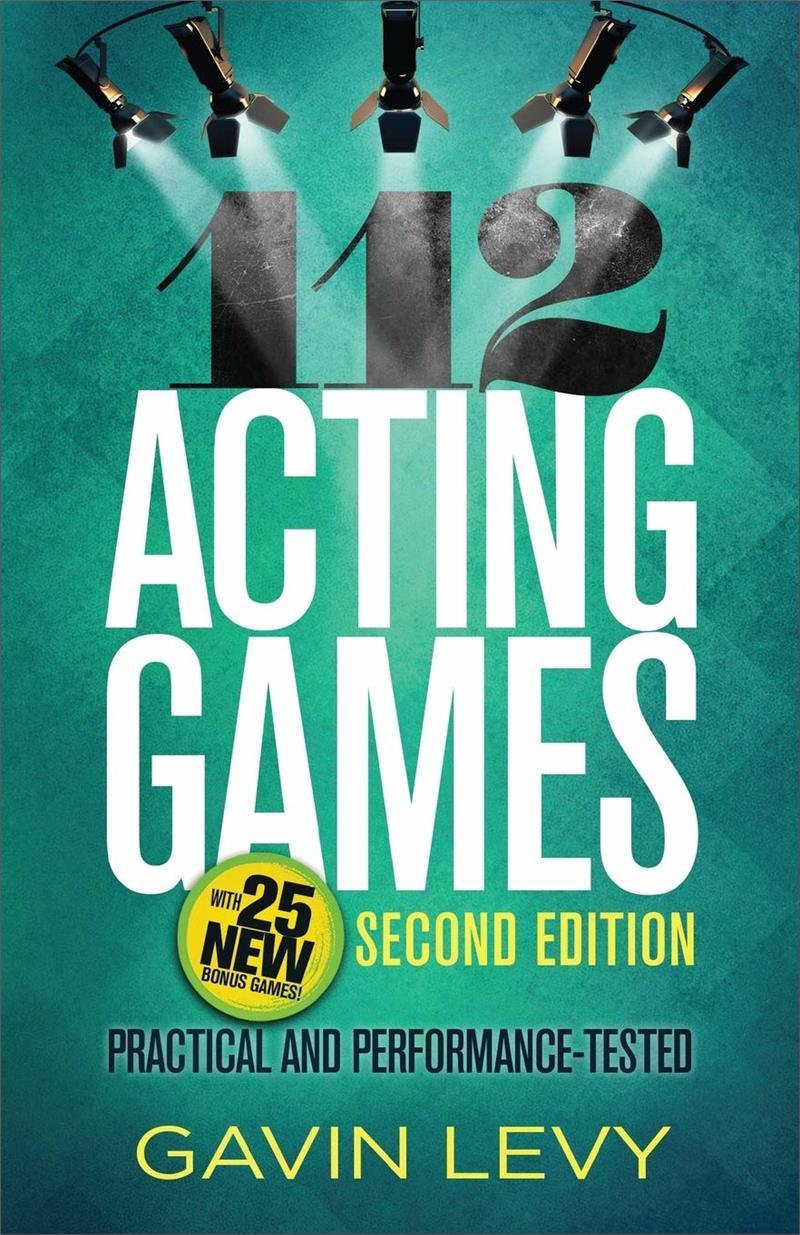
112 Acting Games
Gavin Levy

Playing Along
37 Group Learning Activities Borrowed from Improvisational Theater
Izzy Gesell

When I Say This, Do You Mean That?
Enhancing Communication
Cherie Kerr; Julia Sweeney
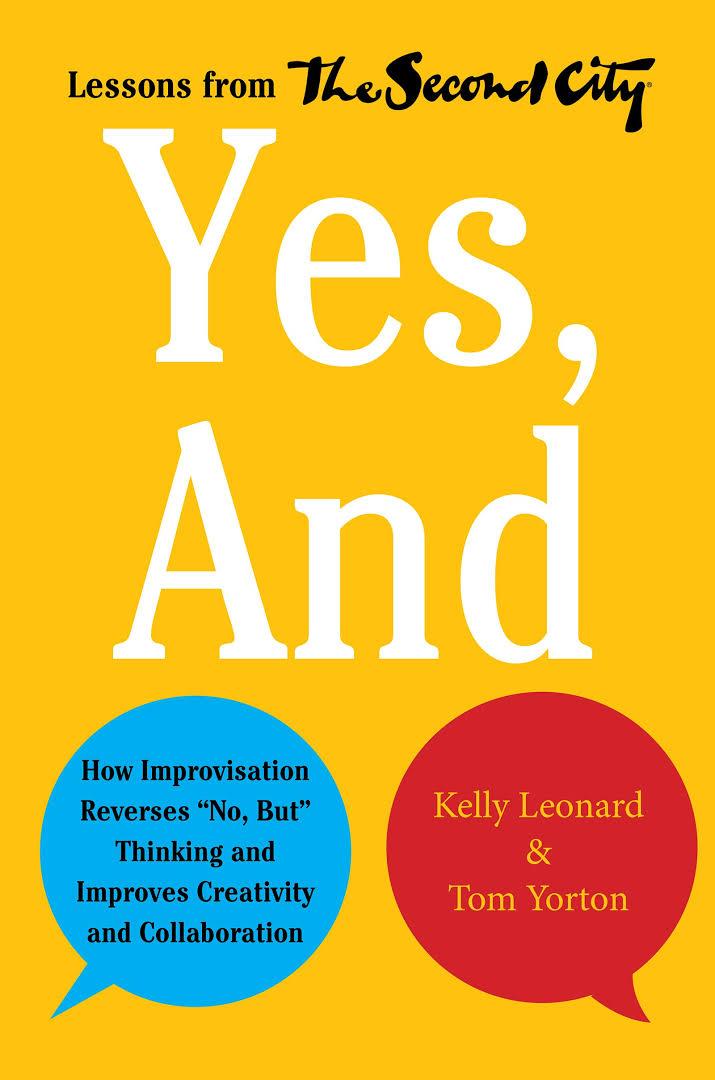
Yes, And
How Improvisation Reverses No, But Thinking and Improves Creativity and Collaboration
Kelly Leonard; Tom Yorton

The Improvisation Game
Discovering the Secrets of Spontaneous Performance
Chris Johnston

The Young Actor's Book of Improvisation
Dramatic Situations
Sandra Caruso; Susan Kosoff
Related Exercises
I Love You
This exercise takes its name from the three-word declaration at the heart of every scene it generates. Performers say the title phrase to each other in as many contexts, relationships, and emotional registers as possible, discovering the vast range of meaning the words carry depending on delivery, history, and circumstance. The same phrase spoken between parent and child, between rivals, between strangers, or between lifelong partners produces entirely different scenes. The exercise builds emotional range, comfort with vulnerability onstage, and the ability to invest familiar words with specific, truthful feeling.
Love You
Love You is a scene exercise in which performers practice expressing love in all its forms: romantic, familial, platonic, competitive, reluctant, and unexpected. The exercise builds emotional courage and the ability to play genuine affection onstage without ironic distance. Most improv defaults to conflict, sarcasm, or comedic hostility because these emotions feel safer to perform. Love You confronts this tendency directly, requiring performers to invest scenes with authentic warmth, vulnerability, and care. The exercise develops the emotional range that produces the most affecting and memorable scene work.
You’re Amazing
You're Amazing is a supportive exercise in which players take turns receiving genuine praise and affirmation from the group. The exercise counters the vulnerability of performance by establishing a baseline of mutual admiration. It builds ensemble trust and sets a positive emotional tone for creative risk-taking.
I Love You, I Hate You
I Love You, I Hate You is an emotional range exercise in which performers rapidly alternate between expressing love and hatred toward the same person or object. The exercise builds emotional agility, the ability to shift between extreme states without losing commitment, and the physical experience of how quickly emotional reality can transform. It demonstrates that emotional truth in performance is not about feeling -- it is about full physical and vocal commitment to the declared state.
You
You is a circle exercise in which players point at another person and say "you," passing focus around the group with clear eye contact and decisive gestures. The exercise trains the habit of making specific, committed choices about who receives an offer. It builds directness and the ability to give and receive attention cleanly.
The Lineage
Explore the schools and structures that influenced or evolved from I Like You Because/I Love You Because.
112 Acting Games (Levy)
How to Reference This Page
The Improv Archive. (2026). I Like You Because/I Love You Because. Retrieved October 14, 2026, from https://improvarchive.org/exercises/i-like-you-becausei-love-you-because
The Improv Archive. "I Like You Because/I Love You Because." The Improv Archive, 2026. https://improvarchive.org/exercises/i-like-you-becausei-love-you-because.
The Improv Archive. "I Like You Because/I Love You Because." The Improv Archive, 2026, https://improvarchive.org/exercises/i-like-you-becausei-love-you-because. Accessed October 14, 2026.
The Improv Archive is a systemically maintained repository. The archive itself acts as the corporate author.