Three Things
Three Things is a rapid-response exercise in which participants name three items from a given category as quickly as possible. The exercise develops the habit of generating multiple responses rather than searching for a single correct answer, building improvisational fluency.
Structure
The Prompt
The facilitator calls out a category to one participant: "Three things you'd find in a junk drawer." The participant responds immediately, naming three items without pausing.
Speed and Volume
The point is not to find the best three things but to have three things immediately. The exercise rewards production over evaluation.
Rotation
After each response, the facilitator moves to the next participant with a new category. The pace is kept brisk so participants do not have time to prepare.
Variation: Three Unusual Things
Once the group has the basic rhythm, the facilitator can shift to categories that require more lateral thinking: "Three things a lighthouse keeper worries about," "Three gifts you'd give someone who has everything."
Debrief
Participants notice that the first thing that arrives is usually fine. The perceived need to find the perfect response is the main obstacle to fluency.
How to Teach It
Objectives
Three Things builds generative fluency. Many performers are stuck waiting for the right idea rather than working with the first idea. This exercise installs the habit of generating multiple acceptable options quickly.
How to Explain It
"I will name a category. You will immediately name three things in that category. Do not think. Just name them. The only wrong answer is silence."
Common Pitfalls
Participants sometimes name the same three things repeatedly (the generic options) without being challenged to go further. After the first round, ask for things they haven't heard yet. This forces participants past their first layer of accessible responses.
Worth Reading
See all books →
Business Improv
Experiential Learning Exercises to Train Employees
Val Gee
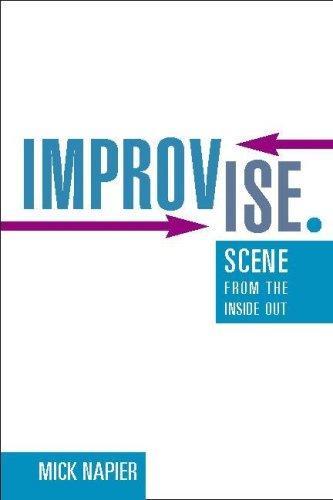
Improvise
Scene from the Inside Out
Mick Napier
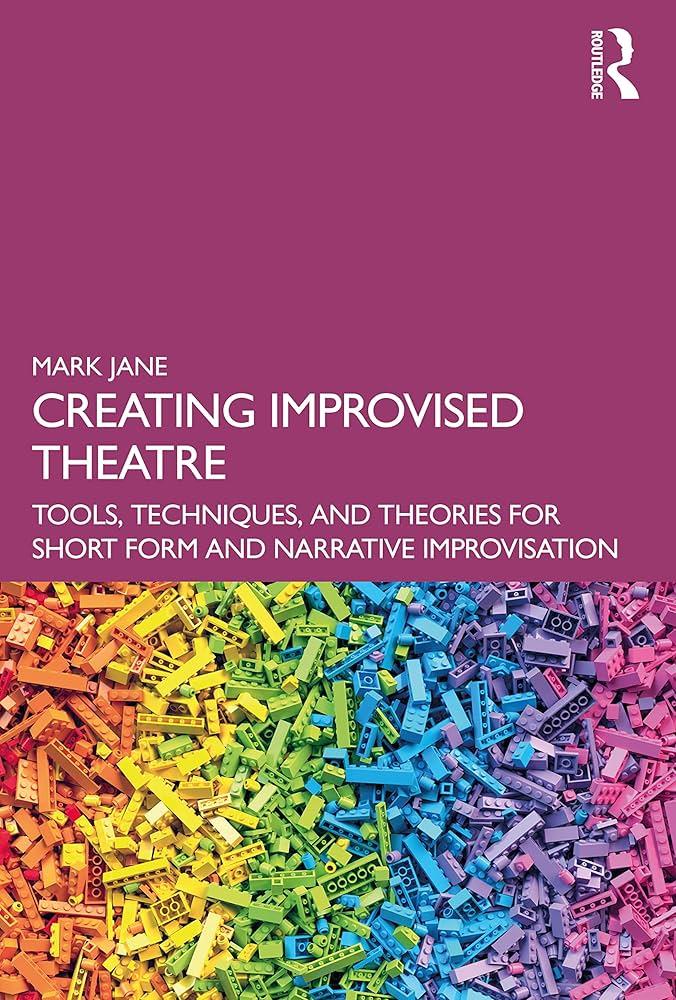
Creating Improvised Theatre
Tools, Techniques, and Theories
Mark Jane

The Routledge Companion to Improvisation in Organizations
Miguel Pina e Cunha; Dusya Vera; António Cunha Meneses
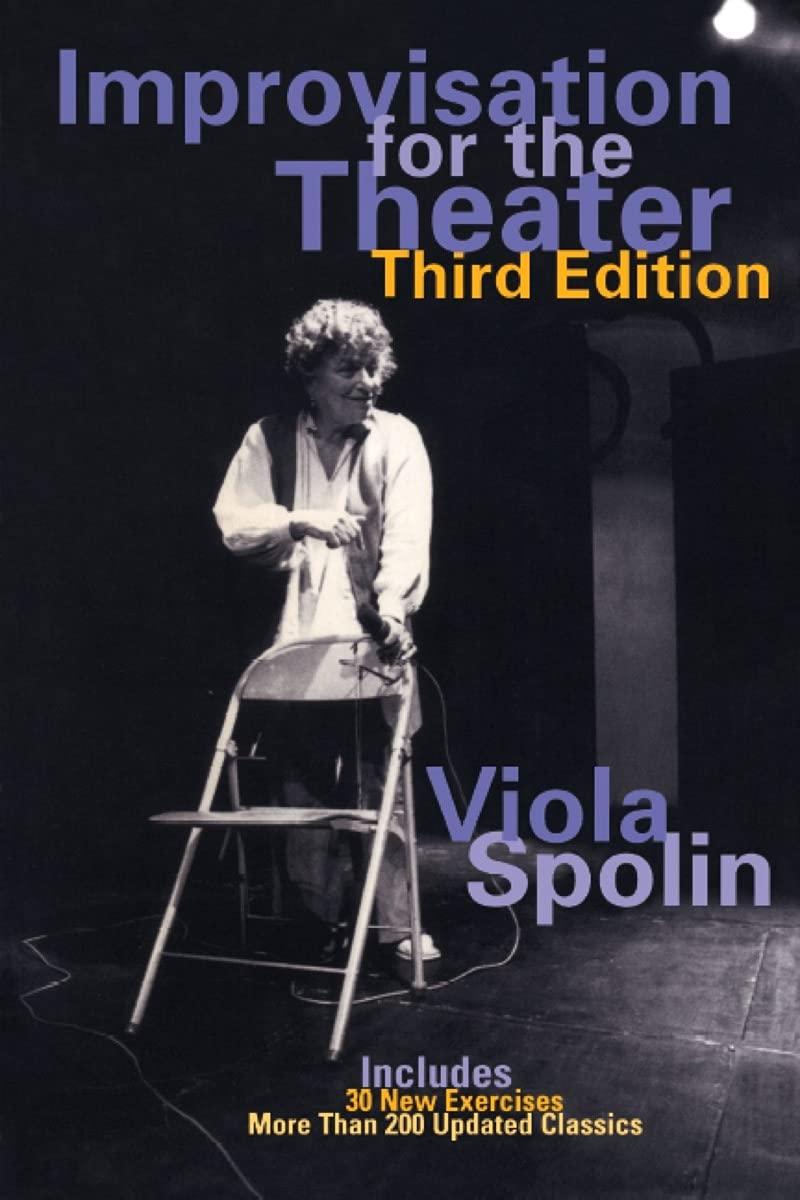
Improvisation for the Theater
A Handbook of Teaching and Directing Techniques
Viola Spolin

The Improv Handbook
The Ultimate Guide to Improvising in Comedy, Theatre, and Beyond
Tom Salinsky; Deborah Frances-White
Related Exercises
3 Things
3 Things is a quick-response listing game in which one player gives another player a category and the second player rapidly names three things that fit it. The chant that follows each answer keeps the room playful and makes the speed of response more important than correctness.
Five Things
Five Things is a fast-paced listing warm-up in which a performer must rapidly name five items in a given category. The group claps, chants, or counts along to maintain pace and energy. The exercise trains rapid-fire associative thinking and breaks through the self-censorship that slows improvised offers. Speed is the mechanism: when performers must respond faster than they can judge their responses, the internal editor shuts down and genuine spontaneity emerges.
8 Things
8 Things is a fast listing exercise and short-form game in which one player jumps into the middle of a circle, gets a category, and names eight things in that category while the rest of the group counts and cheers. The pressure is not about accuracy. The point is to answer quickly, stay supported, and keep the mind moving before self-editing can take over.
Three-Second Pauses
Three Second Pauses is an applied exercise in which participants practice inserting a deliberate three-second pause before responding to any question or statement, building the habit of active listening over reactive reply. The pause allows full processing of what was said before generating a response.
Three Sentence Story
Three Sentence Story is an exercise in which participants construct a complete narrative using exactly three sentences, one person contributing each sentence in sequence. The constraint forces immediate narrative commitment and trains the skill of building a satisfying story arc without the luxury of extended setup.
One Two Three Four
One Two Three Four is a rhythmic counting exercise in which pairs of participants count to four between them in an alternating pattern, then progressively replace numbers with physical actions. The exercise layers increasing cognitive complexity onto a simple rhythm, training split attention, physical commitment, and the ability to maintain a pattern while simultaneously transforming it.
The Lineage
Explore the schools and structures that influenced or evolved from Three Things.
Improv to Improve Your Leadership Team (Campbell)
How to Reference This Page
The Improv Archive. (2026). Three Things. Retrieved September 28, 2026, from https://improvarchive.org/exercises/three-things
The Improv Archive. "Three Things." The Improv Archive, 2026. https://improvarchive.org/exercises/three-things.
The Improv Archive. "Three Things." The Improv Archive, 2026, https://improvarchive.org/exercises/three-things. Accessed September 28, 2026.
The Improv Archive is a systemically maintained repository. The archive itself acts as the corporate author.