Three-Second Pauses
Three Second Pauses is an applied exercise in which participants practice inserting a deliberate three-second pause before responding to any question or statement, building the habit of active listening over reactive reply. The pause allows full processing of what was said before generating a response.
Structure
The Rule
Participants work in pairs. After any statement or question from their partner, they must wait a full three seconds before responding. The facilitator counts the three seconds aloud for early rounds until participants can self-regulate.
The Conversation
With the pause rule in place, pairs have a conversation on any topic. The pause applies to every response, including acknowledgments and agreements.
The Observation
Participants notice what happens in the three seconds: what they discover about what they heard, what impulses they resist, and how the quality of their response changes.
The Debrief
Pairs share their observations. The group discusses how the pause changed the conversation and when, in their professional lives, the three-second pause would most usefully be applied.
How to Teach It
Objectives
Three Second Pauses builds the physiological habit of pause-before-response, which interrupts reactive communication patterns and creates space for genuine listening. The pause is a deliberate override of the instinct to demonstrate engagement through immediate reply.
Facilitation Notes
In early rounds, the three-second pause will feel uncomfortably long to most participants. This discomfort is the exercise. Normalize it explicitly before beginning.
Common Pitfalls
Participants sometimes fill the pause with filler words, nodding, or other signals that they are about to speak. These are social pressure releases. The exercise asks for full, still presence during the pause.
In Applied Settings
Difficult Conversations Training
Three Second Pauses is used in conflict resolution and mediation training to interrupt the escalation patterns driven by reactive response, giving practitioners a practical tool for slowing down charged conversations.
Sales and Client Service
Service professionals practice the pause to ensure they fully hear client concerns before responding, discovering that the pause itself communicates genuine attention in ways that immediate responses do not.
Leadership and Coaching
Managers use the exercise to develop the specific pause that transforms advising into coaching, the moment between hearing and responding where the quality of listening determines the quality of support.
Skills Developed
Worth Reading
See all books →
When I Say This, Do You Mean That?
Enhancing Communication
Cherie Kerr; Julia Sweeney

Business Improv
Experiential Learning Exercises to Train Employees
Val Gee

Improv Yourself
Business Spontaneity at the Speed of Thought
Joseph A. Keefe
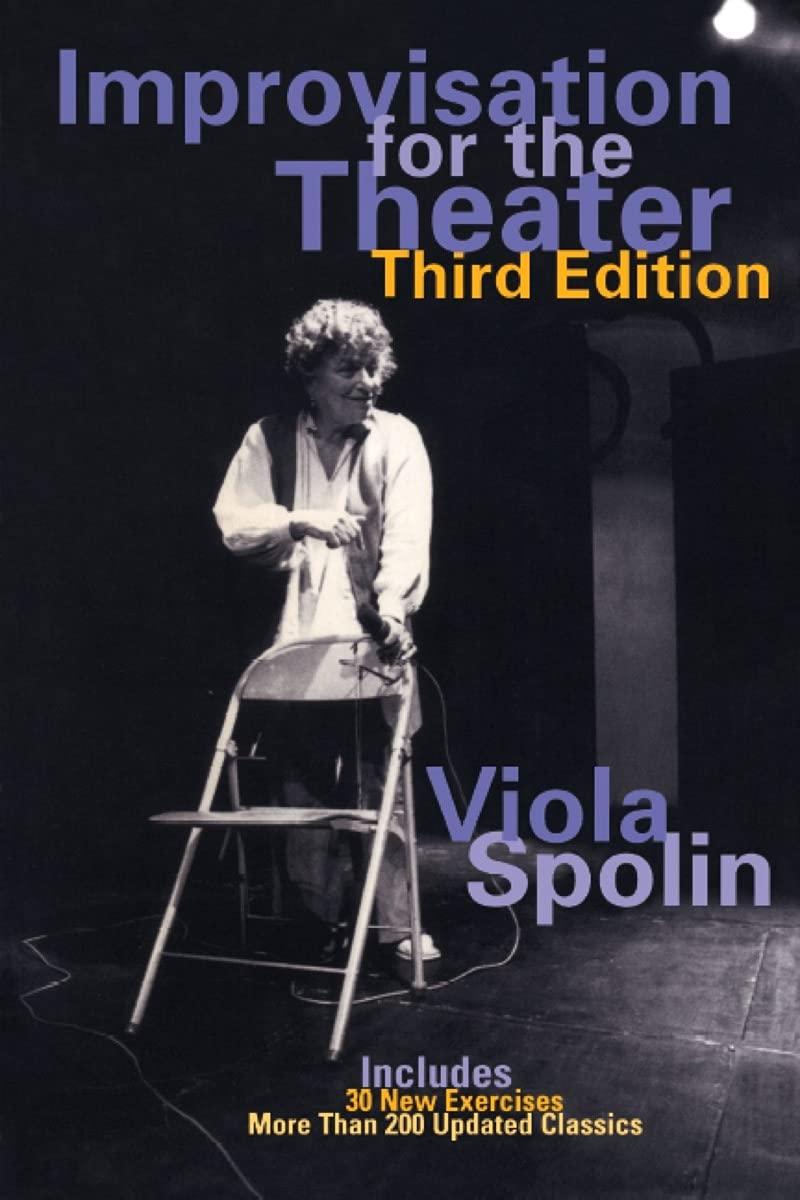
Improvisation for the Theater
A Handbook of Teaching and Directing Techniques
Viola Spolin
Theater Games for Rehearsal
Viola Spolin

The Applied Improvisation Mindset
Tools for Transforming Individuals, Organizations, and Communities
Theresa Robbins Dudeck; Caitlin McClure
Related Exercises
Repetition
Repetition is a paired listening exercise in which participants hold a conversation one sentence at a time, with each person required to repeat their partner's last statement before responding. The exercise forces genuine listening by making the repetition a prerequisite for the reply.
The Five Second Rule
The Five Second Rule is an applied exercise in which participants practice making quick decisions and committing to them within a strict five-second window. The exercise builds decisiveness by interrupting the overthinking patterns that stall action and erode confidence.
The Cycle of Deep Yes And
The Cycle of Deep Yes And is an applied exercise in which participants practice full acceptance and active building in paired conversation, moving through multiple rounds that progressively deepen their commitment to the yes-and principle. The exercise trains the habit of genuine affirmation before contribution.
Last Word, First Word
Last Word First Word is an applied improv listening exercise in which each participant must begin their sentence with the last word spoken by the previous participant, carrying the conversation forward through this chain of shared language. The constraint makes end-of-utterance attention mandatory and creates a visible, audible record of how carefully each participant tracked their partner's contribution before responding.
Three in the Middle
Three in the Middle is an applied exercise in which three participants stand at the center of a circle of observers and practice simultaneous conversation, physical awareness, and group mind. The three must speak, move, and make decisions together without a leader, building the capacity for lateral collaboration and distributed leadership.
Last Word Response
Last Word Response is an applied improv listening exercise in which each participant must begin their response with the last word spoken by the previous participant. The constraint enforces genuine end-of-utterance listening by making it physically impossible to begin a response until the previous speaker has completed their sentence. The exercise is used in applied improv to develop active listening skills in workplace and organizational settings.
The Lineage
Explore the schools and structures that influenced or evolved from Three-Second Pauses.
Improvise! (Max Dickins)
How to Reference This Page
The Improv Archive. (2026). Three-Second Pauses. Retrieved September 28, 2026, from https://improvarchive.org/exercises/three-second-pauses
The Improv Archive. "Three-Second Pauses." The Improv Archive, 2026. https://improvarchive.org/exercises/three-second-pauses.
The Improv Archive. "Three-Second Pauses." The Improv Archive, 2026, https://improvarchive.org/exercises/three-second-pauses. Accessed September 28, 2026.
The Improv Archive is a systemically maintained repository. The archive itself acts as the corporate author.