Tug of War is a physicality exercise in which two performers enact an invisible tug of war, each working to establish the weight, resistance, and stakes of the contest through committed physical play. The exercise develops physical specificity and the ability to create shared fictional realities through mime.
Structure
Establishing the Rope
Two performers face each other at a distance. They establish the rope between them through simultaneous mime. The rope must have consistent weight and tension that both performers agree on.
The Contest
The tug of war begins. Each performer must genuinely resist the pull of the other while maintaining the physical reality of the rope. Neither can simply win immediately.
Adding Stakes
The facilitator names what is at stake in the contest. The rope may represent a business deal, a relationship, a decision, or a physical object. The emotional stakes inform the physical play.
Variation: Three-Way
A third performer joins with a second rope, creating a three-way contest. The added complexity requires greater coordination and offers richer dramatic material.
Reflection
Participants discuss what committed physical play communicates to an audience and what the shared physical fiction felt like from inside.
How to Teach It
Objectives
Tug of War develops the ability to commit to shared physical realities. Many improvisation students know they should create objects and environments through mime but avoid doing it because it feels embarrassing without conviction. This exercise makes the commitment unavoidable.
How to Explain It
"There is a rope between you. It has weight. It has tension. You can both feel it. Start pulling. I want to see you both truly working against something real."
Common Pitfalls
One common failure is when one performer goes through the motions while the other commits. The exercise requires both performers to believe in the same object simultaneously. If one drops the shared reality, redirect immediately.
Variations
Known variants of Tug of War with distinct rules or structure.
Tug-O-War
Tug-O-War is a group exercise in which two teams mime pulling on opposite ends of an imaginary rope, coordinating their movements to create the illusion of genuine physical struggle. The exercise trains ensemble physicality and the ability to create a believable shared object through synchronized effort.
Worth Reading
See all books →
The Improv Handbook
The Ultimate Guide to Improvising in Comedy, Theatre, and Beyond
Tom Salinsky; Deborah Frances-White

Acting Through Improv
Improv Through Theatresports
Lynda Belt; Rebecca Stockley

The Applied Improvisation Mindset
Tools for Transforming Individuals, Organizations, and Communities
Theresa Robbins Dudeck; Caitlin McClure

Improvisation for Actors and Writers
A Guidebook for Improv Lessons in Comedy
Bill Lynn
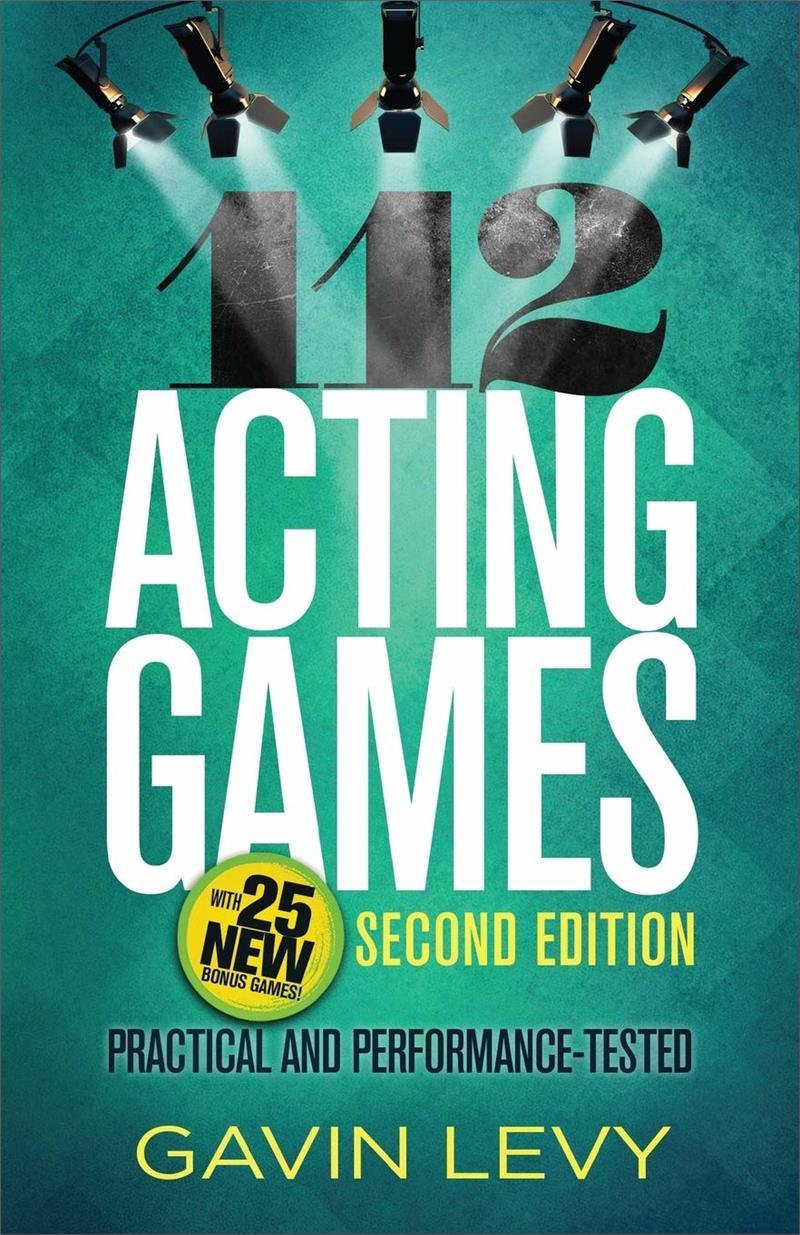
112 Acting Games
Gavin Levy

The Young Actor's Book of Improvisation
Dramatic Situations
Sandra Caruso; Susan Kosoff
Related Exercises
Play Tag
Play Tag is a physical warm-up exercise that adapts the universal children's game of tag for an improv workshop setting. One player is designated as "it" and pursues others within the defined playing space; tagged players become "it" and must pursue the next player. The exercise builds physical energy, spatial awareness, and the embodied experience of ensemble interdependence before scene work begins.
Sock 'Em
Sock 'Em is a physical warm-up exercise in which players engage in a playful combat game using soft objects or mimed punches, building physical awareness, trust, and the ability to create the illusion of contact through coordinated stage combat techniques.
Triangles
Triangles is a movement exercise in which each player secretly selects two other people in the space and attempts to maintain an equilateral triangle with them as all players move simultaneously. Because everyone's target pairs are different and unknown to others, the formation shifts continuously with no fixed resolution. The exercise demonstrates how invisible individual choices produce complex collective patterns, and builds sustained spatial awareness and attention to others.
Create Obstacles
Create Obstacles is a scene exercise in which performers deliberately introduce complications and barriers to their characters' goals. The exercise teaches that obstacles are the engine of dramatic interest: characters who get what they want without resistance produce flat, unengaging scenes. By practicing the creation of obstacles, performers develop the instinct to generate tension and problem-solving pressure from within the scene rather than waiting for obstacles to arrive from outside.
Drawing the Line
Drawing the Line is an applied improvisation exercise in which participants explore personal and group boundaries through physical and verbal activities. Using the stage space and structured improvisational scenarios, participants develop practical awareness of where their own comfort limits are, how to name and communicate those limits clearly, and how to recognize and respect the limits of others. The exercise is used in ensemble-building, trust work, and applied settings focused on consent and professional boundary-setting.
Non Sequitor
Non Sequitur is a hybrid game and exercise in which performers deliberately break logical connections between lines of dialogue, forcing each new statement to have no apparent relationship to the one before it. The exercise trains performers to let go of the need to make sense, builds comfort with absurdity, and paradoxically reveals how audiences will construct meaning even from disconnected material.
The Lineage
Explore the schools and structures that influenced or evolved from Tug of War.
112 Acting Games (Levy)
How to Reference This Page
The Improv Archive. (2026). Tug of War. Retrieved September 28, 2026, from https://improvarchive.org/exercises/tug-of-war
The Improv Archive. "Tug of War." The Improv Archive, 2026. https://improvarchive.org/exercises/tug-of-war.
The Improv Archive. "Tug of War." The Improv Archive, 2026, https://improvarchive.org/exercises/tug-of-war. Accessed September 28, 2026.
The Improv Archive is a systemically maintained repository. The archive itself acts as the corporate author.