Two-Headed Expert
Two-Headed Expert is an applied exercise in which two participants stand side by side and speak alternately, one word or phrase at a time, together constituting a single expert answering questions from the group. The exercise trains collaborative language, listening under pressure, and committing to a shared idea regardless of its direction.
Structure
The Setup
Two participants stand together at the front of the room as a single expert on a topic nominated by the group. They will answer questions from the audience or facilitator.
The Exchange
When answering, the two speakers alternate turns, each contributing one word, a short phrase, or a complete thought before yielding. The division point is flexible but both must commit to whatever emerges.
The Questions
Audience or facilitator members pose questions. The expert pair answers without stopping, building a coherent response across their alternating contributions.
Debrief
The group discusses what made the answers land well and which moments felt like genuine shared thinking versus two separate streams.
How to Teach It
Objectives
Two-Headed Expert forces participants to listen at the word level, receive what their partner just said, and add to it rather than steer away. The expert framing removes the pressure to be literally correct, freeing participants to commit to the logic of whatever emerges.
Facilitation Notes
Praise responses where both speakers clearly built on the same thread. Pause and replay moments where one speaker noticeably ignored the partner's last word.
Common Pitfalls
Participants try to plan their contributions in advance rather than listening to what their partner just said. The exercise degrades into two people trading complete sentences that happen to follow each other.
In Applied Settings
Communication Training
Two-Headed Expert is used to demonstrate active listening and collaborative coherence in communication workshops, showing participants how much shared understanding is required to make a joint response feel unified.
Leadership and Team Development
Facilitators use the exercise to surface co-leadership dynamics: who tends to steer, who yields, and whether pairs can maintain consistent framing under question pressure.
Public Speaking and Presentation Skills
Trainers use Two-Headed Expert to reduce individual performance anxiety, shifting the frame from solo presentation to shared responsibility for the message.
Skills Developed
Worth Reading
See all books →
The Improvisation Edge
Secrets to Building Trust and Radical Collaboration at Work
Karen Hough

When I Say This, Do You Mean That?
Enhancing Communication
Cherie Kerr; Julia Sweeney

Improv Yourself
Business Spontaneity at the Speed of Thought
Joseph A. Keefe

Business Improv
Experiential Learning Exercises to Train Employees
Val Gee
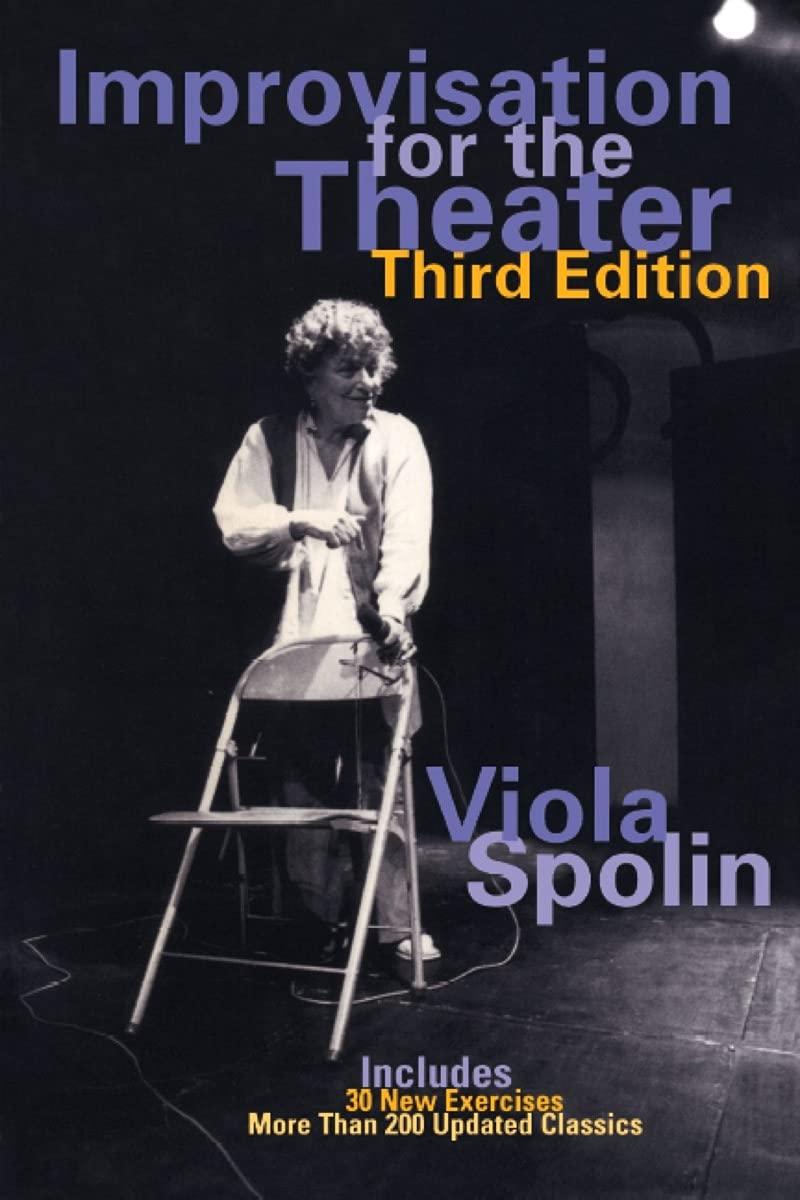
Improvisation for the Theater
A Handbook of Teaching and Directing Techniques
Viola Spolin
Theater Games for Rehearsal
Viola Spolin
Related Exercises
One Voice Expert
One Voice Expert is an applied improvisation exercise in which two or more participants stand side by side and speak simultaneously as a single expert, answering audience questions or delivering a presentation as if they are one person with one voice. The exercise demands extreme listening, mutual agreement in real time, and the willingness to follow a partner's lead word by word.
Two Players -- One Voice
Two Players One Voice is an applied exercise in which two participants speak simultaneously as a single character, committing to matching word choices, rhythm, and volume in real time, training deep listening, surrender of individual agenda, and the construction of shared voice.
Image Expert
Image Expert is an applied exercise in which one person delivers a spontaneous speech or explanation on a subject they know well while other participants hold up random images -- photographs, illustrations, or pictures cut from magazines -- that the speaker must seamlessly incorporate into their ongoing talk. The exercise trains adaptive thinking, the ability to find relevance in unexpected material, and the spontaneous integration of new information into an existing line of thought.
Three-Second Pauses
Three Second Pauses is an applied exercise in which participants practice inserting a deliberate three-second pause before responding to any question or statement, building the habit of active listening over reactive reply. The pause allows full processing of what was said before generating a response.
One Voice
One Voice is a game and exercise in which two or more performers speak simultaneously, attempting to produce the same words at the same time without prior coordination. The group must listen intently and follow collective impulses rather than individual intention, producing coherent shared speech as a single entity. The game develops group mind, deep listening, and the capacity to surrender individual control to collective will.
The Lineage
Explore the schools and structures that influenced or evolved from Two-Headed Expert.
The Improvisation Edge (Karen Hough)
How to Reference This Page
The Improv Archive. (2026). Two-Headed Expert. Retrieved September 28, 2026, from https://improvarchive.org/exercises/two-headed-expert
The Improv Archive. "Two-Headed Expert." The Improv Archive, 2026. https://improvarchive.org/exercises/two-headed-expert.
The Improv Archive. "Two-Headed Expert." The Improv Archive, 2026, https://improvarchive.org/exercises/two-headed-expert. Accessed September 28, 2026.
The Improv Archive is a systemically maintained repository. The archive itself acts as the corporate author.