American Idol
American Idol is a short-form game that parodies television singing competition formats. Performers deliver deliberately absurd, overconfident, or incompetent auditions while a panel of judges reacts and scores them. The game rewards committed character choices and the ability to play straight-faced incompetence.
Structure
Setup
Three to four players volunteer as judges. One or more players perform auditions in sequence.
Progression
Each performer receives an audience suggestion for their audition: a song genre, character type, or unusual combination. They perform a short audition, fully committing to their character and choice regardless of quality.
Judges respond in character: a British curmudgeon, a relentlessly positive mentor, an incoherent celebrity, and so on. Judges may score, critique, or dismiss each auditioner before the next comes up.
The game works best when performers commit fully to their character's self-belief rather than signalling awareness of the joke. Playing a terrible singer who knows they are terrible collapses the game. Playing a terrible singer who believes they are extraordinary sustains it.
Ending
The host ends when the round has produced two or three strong auditions, or when the game's energy peaks.
How to Teach It
How to Explain It
"You're auditioning. You believe you are the best in the world at whatever you're doing. The judges react. Commit to your character's self-belief completely."
Common Notes
"Play the confidence, not the joke. If you know you're terrible, the game dies."
Common Pitfalls
The most common failure is performers winking at the audience to show they know the audition is bad. Once self-awareness enters, the scene deflates. Direct players to find one genuine thing their character believes makes them exceptional.
How to Perform It
Audience Intro
"We need a few brave souls for our talent show auditions. Our judges are ready. Let's find out who has what it takes."
Cast Size
Three to six players. Two to three judges, one to two auditioners per round.
Key Skills
Character commitment, playing against the scene, status play, physical characterisation.
Wrap-Up Logic
End after three auditions or when the judges have produced a consistent comedic dynamic.
Worth Reading
See all books →
Business Improv
Experiential Learning Exercises to Train Employees
Val Gee

Improv Ideas
A Book of Games and Lists
Mary Ann Kelley; Justine Jones
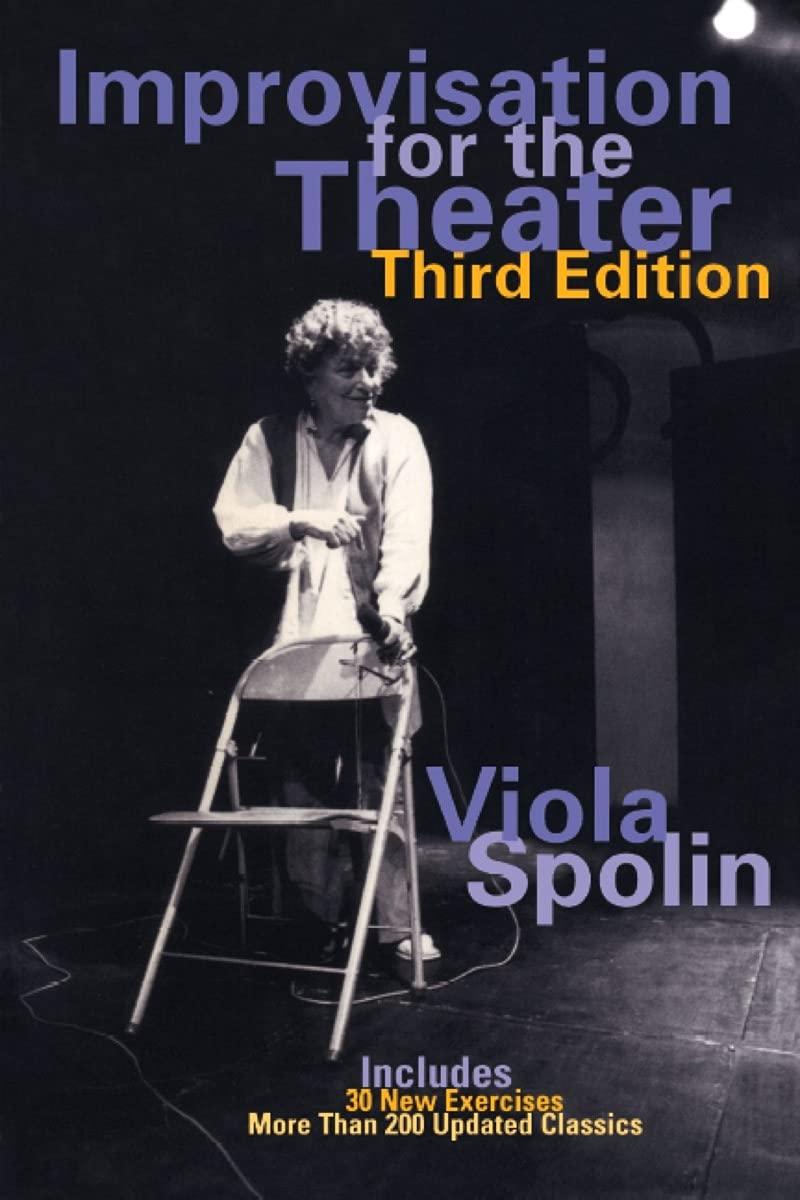
Improvisation for the Theater
A Handbook of Teaching and Directing Techniques
Viola Spolin

The Improvisation Game
Discovering the Secrets of Spontaneous Performance
Chris Johnston
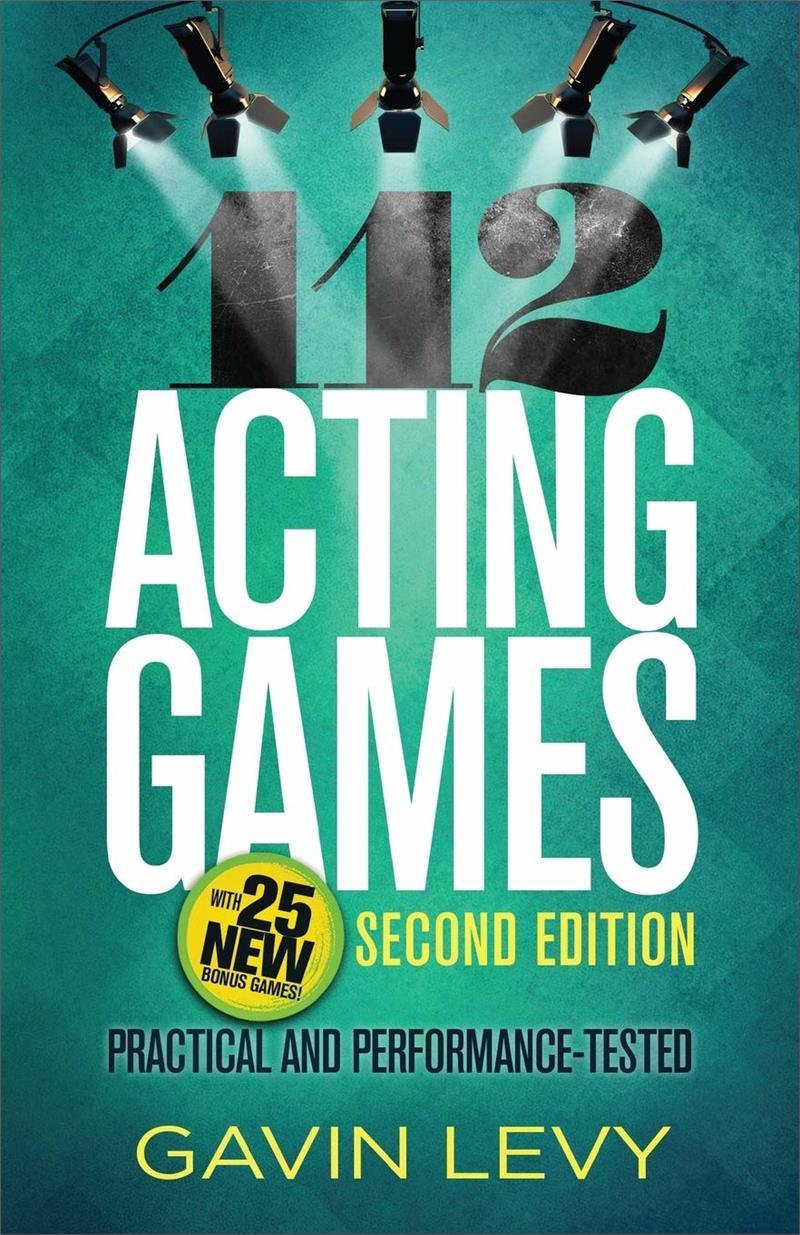
112 Acting Games
Gavin Levy
Improvise
Scene from the Inside Out
Mick Napier
Related Games
Survivor
Survivor is a competitive short-form game format that adapts the structure of the reality television series for improv performance. Performers compete in improvised challenges, form alliances, and are progressively eliminated by audience vote or fellow players until one winner remains. The format layers character strategy onto improvised performance, rewarding both strong scene work and the social maneuvering of an ensemble competition.
Thunderdome
Thunderdome is a competitive elimination game in which performers face off in rapid head-to-head improv challenges, with the audience determining who advances. The tournament structure builds energy and stakes throughout the show. The format rewards quick wit, fearless performance, and the ability to thrive under competitive pressure.
Expert
Expert is a short-form game in which a performer plays a world-renowned authority on a topic suggested by the audience, fielding questions with total confidence regardless of actual knowledge. The comedy emerges from the contrast between the character's unwavering certainty and the absurdity of the claims. Scene partners or audience members ask questions, and the expert responds with authoritative detail, treating every answer as established fact. The game rewards commitment, verbal fluency, and the willingness to build elaborate fictions without hesitation.
At the Oscars
At the Oscars is a short-form performance game that parodies an awards ceremony. Performers deliver acceptance speeches, present clips from fictitious films, and play celebrity presenters. The game rewards sharp pop culture references and the ability to create instant, recognizable character types.
Jeopardy
Jeopardy is a short-form game modeled on the television quiz show format, in which performers provide improvised questions to audience-supplied answers. The reversed format (answer first, then question) demands quick thinking and the ability to construct comedic setups from arbitrary punchlines. A host manages the game board and selects categories, while performer-contestants buzz in with their responses. The game rewards wit, timing, and the ability to find unexpected connections within the quiz show framework.
Lounge Singer
Lounge Singer is a musical performance game in which a performer adopts the persona of a Vegas-style lounge entertainer and sings improvised songs about topics suggested by the audience. The exaggerated showmanship of the lounge act provides a strong character framework for musical improvisation: the performer can address the audience directly, banter between songs, and treat every topic with the same overblown sincerity. The game rewards vocal confidence, the ability to write lyrics in real time, and the commitment to maintain a larger-than-life persona throughout the performance.
How to Reference This Page
The Improv Archive. (2026). American Idol. Retrieved September 28, 2026, from https://improvarchive.org/games/american-idol
The Improv Archive. "American Idol." The Improv Archive, 2026. https://improvarchive.org/games/american-idol.
The Improv Archive. "American Idol." The Improv Archive, 2026, https://improvarchive.org/games/american-idol. Accessed September 28, 2026.
The Improv Archive is a systemically maintained repository. The archive itself acts as the corporate author.