Arnie
Arnie is a short-form performance game in which players perform scenes, tasks, or physical challenges in the exaggerated style of a well-known action hero or larger-than-life public figure. The game rewards over-the-top commitment to vocal and physical characterisation while still engaging with the scene's given circumstances.
Structure
Setup
The host selects or asks the audience for a famous figure known for a distinctive physical and vocal presence. One or more performers take the stage.
Progression
The performers receive a scene suggestion and play it out entirely in the style of the nominated figure: voice, physicality, catchphrases, and attitude. The scene content is independent of the character; the character is a filter applied to whatever situation emerges.
Multiple players can share the same character, or each player can adopt a different iconic figure for contrast. When multiple players share the character, physical consistency matters more than matching the voice exactly; an ensemble version that agrees on posture, rhythm, and status often lands more solidly than competing impressions.
Ending
The host ends the scene when the comedic peak has been reached or when the character work has run its natural course.
How to Teach It
How to Explain It
"You're playing a scene, but you're doing it as [character]. Everything you say, the way you stand, how you move: it all has to feel like them. The scene is real: your character is not."
Common Notes
"Find the body first. The voice follows the posture."
Common Pitfalls
Players often focus on catchphrases at the expense of physical commitment. A recognizable quote delivered with ordinary posture loses the effect. The physical embodiment carries more weight than any single line.
How to Perform It
Audience Intro
"We need an iconic figure: someone everyone knows, someone with a very specific way of moving and talking. Who have you got for us?"
Cast Size
Two to four players.
Key Skills
Character physicality, vocal mimicry, sustained commitment, status.
Wrap-Up Logic
End at a strong physical or verbal moment that captures the character at their most recognisable. The strongest closings use the character's signature attribute: a catchphrase, a physical tic, or a known gesture delivered at full commitment.
Worth Reading
See all books →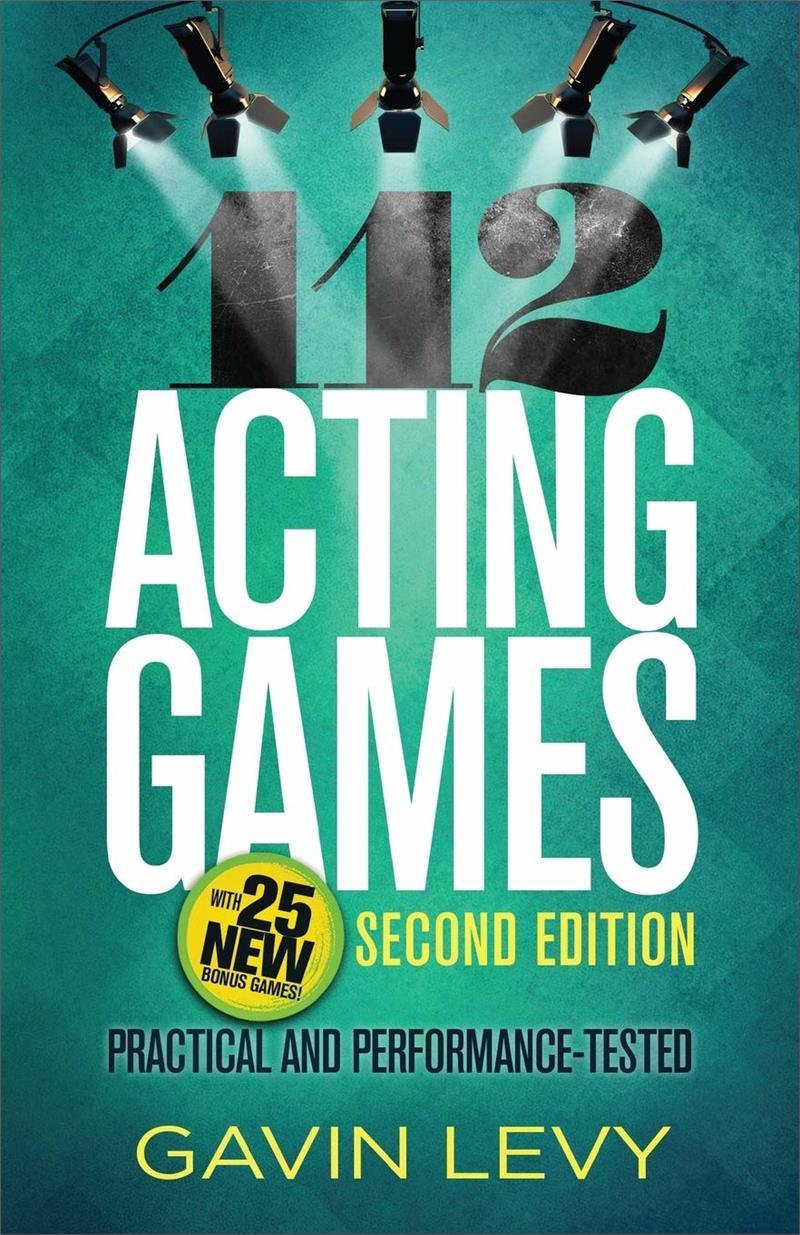
112 Acting Games
Gavin Levy
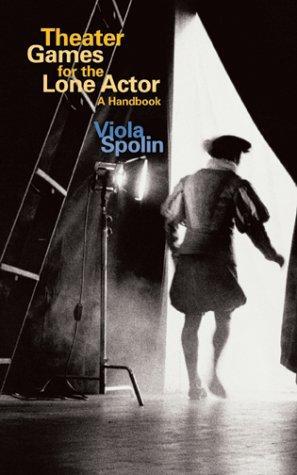
Theater Games for the Lone Actor
Viola Spolin
Theater Games for Rehearsal
Viola Spolin

The Young Actor's Book of Improvisation
Dramatic Situations
Sandra Caruso; Susan Kosoff

Acting Through Improv
Improv Through Theatresports
Lynda Belt; Rebecca Stockley
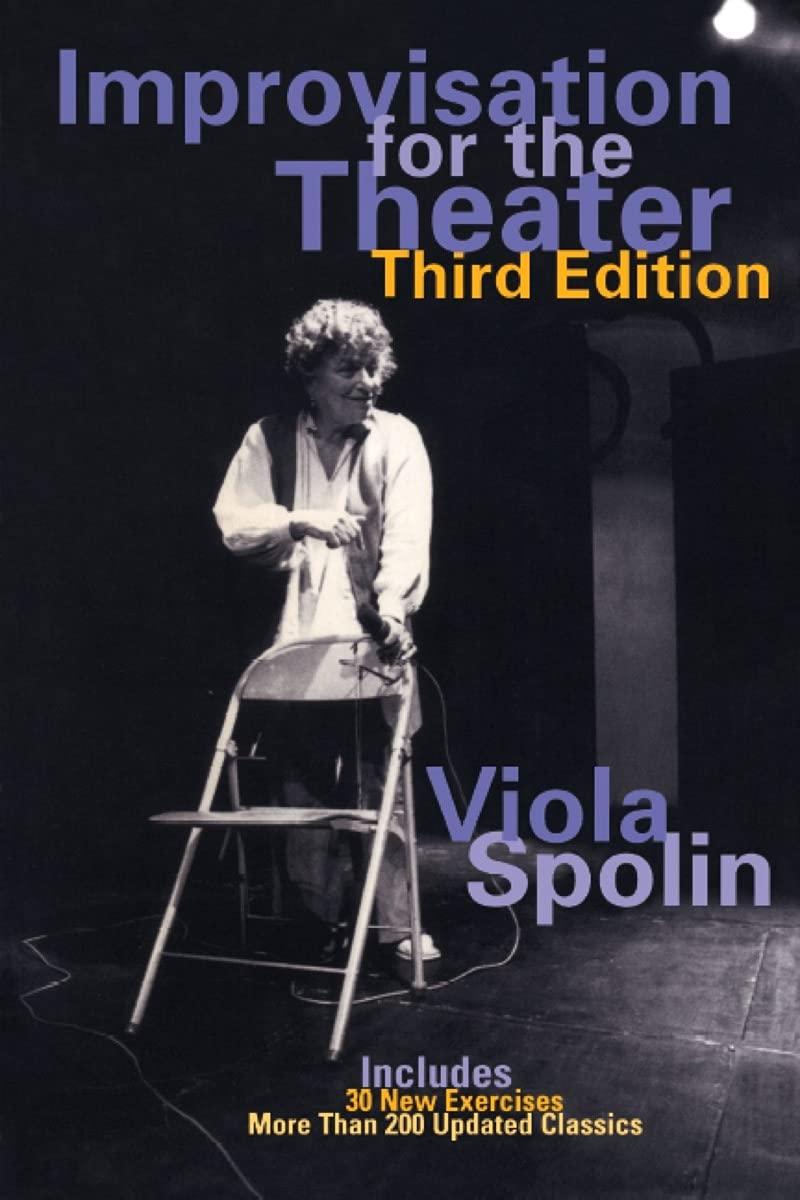
Improvisation for the Theater
A Handbook of Teaching and Directing Techniques
Viola Spolin
Related Games
Arpeggio
Arpeggio is a scene game in which multiple performers play aspects of a single character's personality, speaking in rapid succession like notes in a musical chord. The fragmented delivery reveals a character's internal contradictions and complexity. The game produces rich, layered characterization that a single performer could not achieve alone.
Arm Game
Arm Game is a short-form performance game in which one player stands behind another, supplying the arms while the front player provides the voice and head movements. The disconnection between speech and gesture creates physical comedy as the front player must justify whatever the arms do. The game is a staple of short-form shows worldwide.
Arms
Arms is a short-form game in which one player stands behind another, extending their arms through the front player's sleeves to serve as their hands. The front player speaks and reacts while the hidden player's arms create unpredictable physical business. It is one of the most recognized and widely performed short-form games.
Character Bench
Character Bench is a short-form game in which performers sit on a bench in a public place, each entering with a distinct character who interacts with whoever is already seated. Characters cycle on and off the bench, creating a parade of brief encounters. The game rewards strong character initiations and the ability to build a relationship quickly.
How to Reference This Page
The Improv Archive. (2026). Arnie. Retrieved September 28, 2026, from https://improvarchive.org/games/arnie
The Improv Archive. "Arnie." The Improv Archive, 2026. https://improvarchive.org/games/arnie.
The Improv Archive. "Arnie." The Improv Archive, 2026, https://improvarchive.org/games/arnie. Accessed September 28, 2026.
The Improv Archive is a systemically maintained repository. The archive itself acts as the corporate author.