At the Oscars
At the Oscars is a short-form performance game that parodies an awards ceremony. Performers deliver acceptance speeches, present clips from fictitious films, and play celebrity presenters. The game rewards sharp pop culture references and the ability to create instant, recognizable character types.
Structure
Setup
- The game parodies an awards ceremony. Performers play a host, celebrity presenters, and award recipients.
- An audience suggestion names the fictional awards category or the genre of film being celebrated.
- The scene unfolds as a recognizable awards show: introductions, clips from fictitious films, emotional acceptance speeches, and industry banter.
How the Scene Works
- Presenters introduce awards using the familiar cadences of awards show language: "And the nominees are..."
- Recipients deliver acceptance speeches that parody the conventions of the genre: thanking agents, making political statements, crying at inconvenient moments.
- The comedy comes from the gap between the self-importance of the awards ceremony format and the absurdity of what is being awarded.
- Pop culture references and recognizable celebrity types anchor the parody in familiar territory.
What Makes It Work
- Performers must commit to the sincerity of the awards ceremony. Playing it as a comedy sketch dilutes the satire.
- The celebrity characters should be specific and distinct rather than generic. A specific recognizable type is funnier than a vague famous person.
- The fictitious films being awarded should have enough internal logic to feel like real, terrible films: a title, a premise, a notable performance.
Variations
- The audience supplies the award category and the performers create everything else.
- Each performer plays a single recurring celebrity character throughout the entire game.
How to Teach It
How to Explain It
"You are at the awards ceremony. You believe in it completely. The awards matter. The speeches matter. The celebrities presenting the awards are the most important people in the room. Commit to every element of this as though it is real. The comedy comes from the sincerity, not from winking at it."
Common Notes
- Encourage specificity in speech structure: awards ceremony speeches have a recognizable rhythm and sequence. Performers who know the genre can parody it more precisely.
- The fictitious films should be describable in one sentence. Too much backstory in an acceptance speech derails the parody.
- The game benefits from a strong host who understands awards show pacing and can hold the ceremony together.
Common Pitfalls
- Performers play the game as though they are doing impressions of celebrities. The characters should feel specific and real, not like caricatures.
- The fictional films and awards have no internal logic. Even absurd awards ceremonies have rules about what they award.
- The game loses momentum because each section runs too long. Awards shows have a rapid-fire quality the game should match.
How to Perform It
Audience Intro
"Tonight we are at the [invented awards name], celebrating the very best in [category suggested by audience]. We have a full program of presenters, clips, and speeches. Please welcome your host for the evening."
Cast Size
- Ideal: Four to six performers, with one serving as host.
Staging
- A podium or microphone stand center stage establishes the awards ceremony setting.
- Presenters enter from the wings; recipients come from the audience or wings.
Wrap Logic
- The game ends after two to three award presentations, closing with a strong final speech or host button.
Worth Reading
See all books →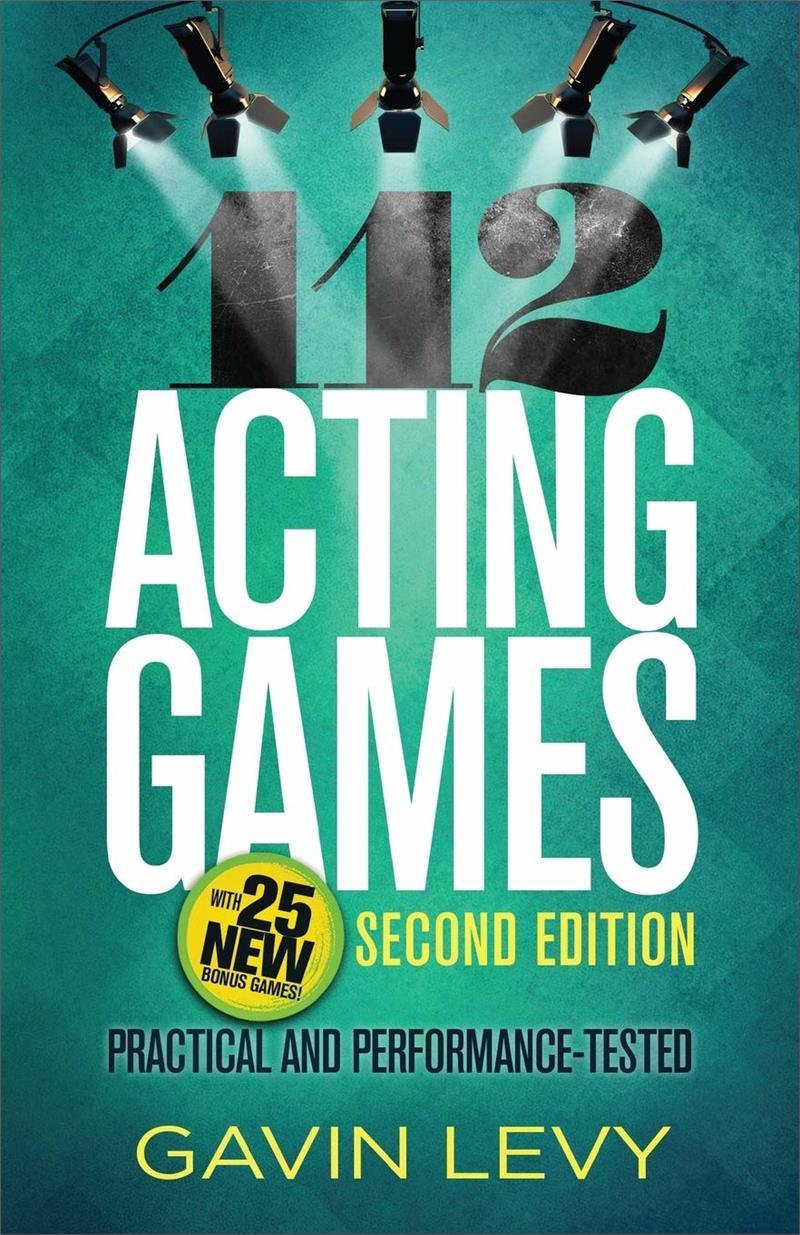
112 Acting Games
Gavin Levy

The Improv Handbook
The Ultimate Guide to Improvising in Comedy, Theatre, and Beyond
Tom Salinsky; Deborah Frances-White

The Young Actor's Book of Improvisation
Dramatic Situations
Sandra Caruso; Susan Kosoff

The Upright Citizens Brigade Comedy Improvisation Manual
Matt Besser; Ian Roberts; Matt Walsh
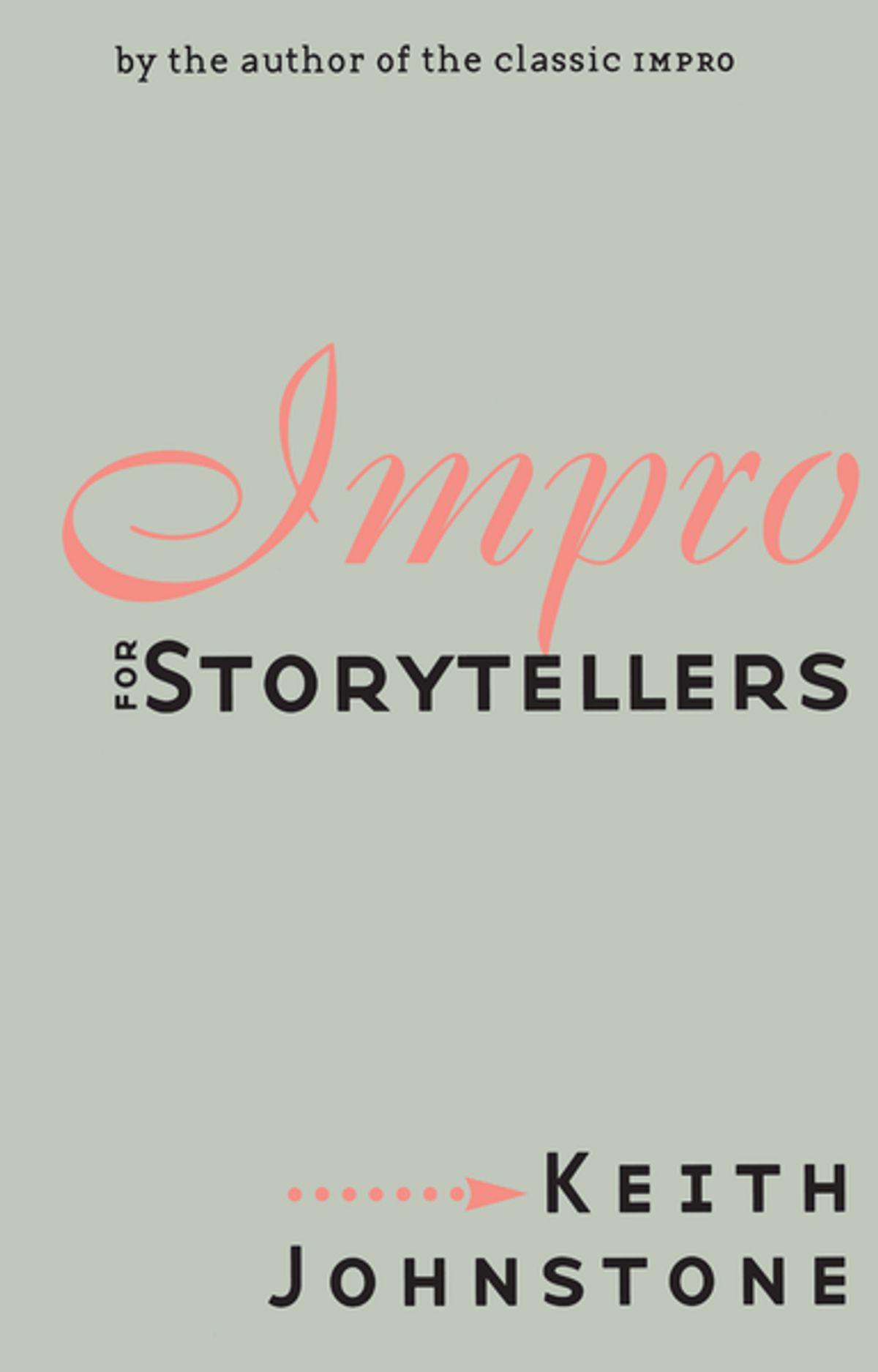
Impro for Storytellers
Keith Johnstone
Theater Games for Rehearsal
Viola Spolin
Related Games
Gibberish Award Ceremony
Gibberish Award Ceremony is a performance game in which an awards ceremony is conducted entirely in gibberish, with a translator providing English interpretation for the audience. A host conducts the event, presenters deliver speeches in invented nonsense language, and winners accept their awards with heartfelt gibberish gratitude. The translator -- speaking after or simultaneously -- renders each utterance into English, constructing comedy from the gap between the formal occasion and the invented language. The game rewards committed performance and the translator's ability to build coherent, escalating comedy from abstract vocal material.
At the Movies
At the Movies is a short-form game that combines improvised film scenes with live critic commentary. A group of performers acts out scenes from a fictitious film in a genre suggested by the audience, while one or two other performers sit to the side and provide running commentary in the style of television film critics. The dual performance layers create comedy through the contrast between the earnest scene work and the editorial framing. The critics may praise, pan, analyze, or argue about the film as it unfolds, adding a meta-theatrical dimension that audiences enjoy. The game rewards strong genre awareness, character commitment from the scene players, and quick wit from the critics.
Oscar Winning Moment
Oscar Winning Moment is a short-form performance game in which performers play scenes from fictional movies, with each performer assigned a specific reason their performance won an Oscar. At intervals during the scene, the host announces the category and the performer delivers that moment with maximum commitment. The game rewards fearless emotional investment and teaches performers that anything can provoke a genuine, heightened reaction when played with full conviction.
American Idol
American Idol is a short-form game that parodies television singing competition formats. Performers deliver deliberately absurd, overconfident, or incompetent auditions while a panel of judges reacts and scores them. The game rewards committed character choices and the ability to play straight-faced incompetence.
Attenborough
Attenborough is a scene game in which one performer narrates the action in the style of a wildlife documentary while other players perform a mundane scene as though they were animals being observed in their natural habitat. The naturalist narration reframes ordinary human behavior as exotic and fascinating. The game rewards a strong David Attenborough vocal impression and the ability to find comedy in the mundane.
Countdown
Countdown is a short-form game and exercise in which performers replay a scene in progressively shorter time limits, compressing the action from several minutes down to seconds. Each repetition demands sharper editing, bolder physical choices, and more efficient storytelling as the available time shrinks. The game reveals the essential beats of a scene by forcing performers to strip away everything nonessential, leaving only the core moments that drive the narrative. Countdown demonstrates that the emotional truth of a scene can survive extreme compression, and that clarity improves when performers are forced to prioritize.
How to Reference This Page
The Improv Archive. (2026). At the Oscars. Retrieved September 29, 2026, from https://improvarchive.org/games/at-the-oscars
The Improv Archive. "At the Oscars." The Improv Archive, 2026. https://improvarchive.org/games/at-the-oscars.
The Improv Archive. "At the Oscars." The Improv Archive, 2026, https://improvarchive.org/games/at-the-oscars. Accessed September 29, 2026.
The Improv Archive is a systemically maintained repository. The archive itself acts as the corporate author.