Blind Date Character Quirks
Blind Date Character Quirks is a short-form guessing game in which one player goes on a "date" with three suitors, each endowed with a secret character trait by the audience. The dater must identify each suitor's quirk through conversation. The game rewards clear physicalization of traits and the guesser's ability to read behavioral clues.
Structure
Setup
One performer (the Dater) leaves the stage or turns away while the audience endows each of three remaining performers (the Suitors) with a specific character quirk. The quirks should be physical and behavioral rather than biographical: "speaks in questions," "can't stop organizing things," "believes everyone is a close friend they haven't seen in years."
Play
The Dater returns and goes on a "date" - a casual conversation - with each Suitor. The Suitors commit fully to their quirk in everything they say and do. The Dater must observe, probe, and identify what each Suitor's quirk is.
Guessing
After 2-3 minutes with each Suitor (or less if the Dater guesses correctly), the Dater names what they believe the quirk to be. The audience confirms or corrects.
Cast Variation
The game can also run with all three Suitors simultaneously at a "cocktail party" - the Dater moves between them in the same space. This reduces per-Suitor time but increases the social complexity.
Scoring (Optional)
Track correct guesses. Multiple rounds with different Daters and different quirk categories can create a competitive format.
How to Teach It
How to Explain It
"Three suitors will get a quirk from the audience. Your job is to figure out what each quirk is through conversation. Suitors: commit fully. Dater: trust your observation."
Why It Matters
Blind Date Character Quirks trains two distinct skills simultaneously: physicalization (for the Suitors) and observation (for the Dater). The Suitors develop the ability to let a single behavioral choice color every element of their presence - not just what they say but how they move, how they listen, how they respond. The Dater develops the ability to read behavioral information systematically rather than just reacting to it. Both skills transfer directly to scene work.
Common Coaching Notes
- Quirks should be playable, not biographical. "Is secretly a robot" is hard to play. "Treats everything as a competitive sport" is easy to play in every line.
- Suitors must stay in their quirk under observation pressure. When the Dater watches closely, performers often drop character. Coach: "They're watching you even harder. That's when you need it most."
- Coach the Dater to probe. "What do you do for fun?" produces more quirk-revealing behavior than "Tell me about yourself." Teach specific questions that reveal behavioral traits.
How to Perform It
Audience Intro
"We need a volunteer to leave the stage - you're going on a blind date. While you're gone, the audience is going to give each of these three suitors a secret personality quirk. Your job when you come back: figure out each one. Ready? [Volunteer leaves.] Audience, what's the quirk for suitor number one?"
Collect three distinct quirks. Brief each Suitor quietly or allow the audience to hear - the Dater is the one who doesn't know.
Cast Size
Four performers: one Dater, three Suitors. The host manages the guessing beats and audience confirmation.
Staging
Set three chairs or positions across the stage for the Suitors. The Dater moves to each in turn. The "cocktail party" variation removes the chairs and lets everyone mingle simultaneously.
Wrap Logic
The host wraps after all three quirks have been guessed (correctly or not). A quick recap - "Let's hear what the quirks actually were" - lands the audience confirmation beat. If time allows, a fourth "mystery round" with one Suitor can extend the game.
Worth Reading
See all books →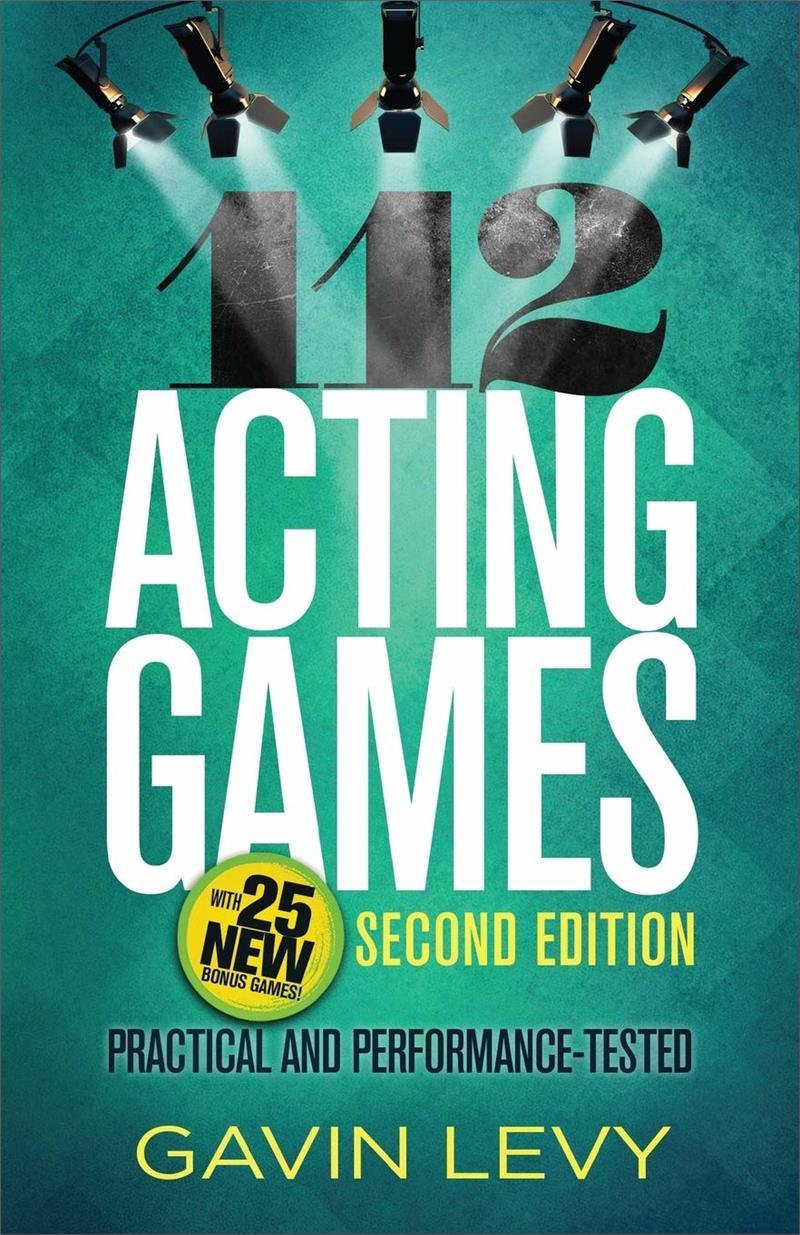
112 Acting Games
Gavin Levy

Mask Improvisation for Actor Training and Performance
the compelling image
Sears A. Eldredge
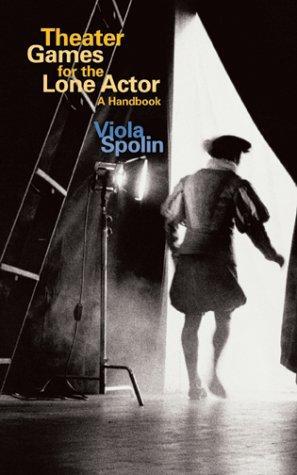
Theater Games for the Lone Actor
Viola Spolin

Group Improvisation
The Manual of Ensemble Improv Games
Peter Campbell Gwinn; Charna Halpern

The Playbook
Improv Games for Performers
William Hall
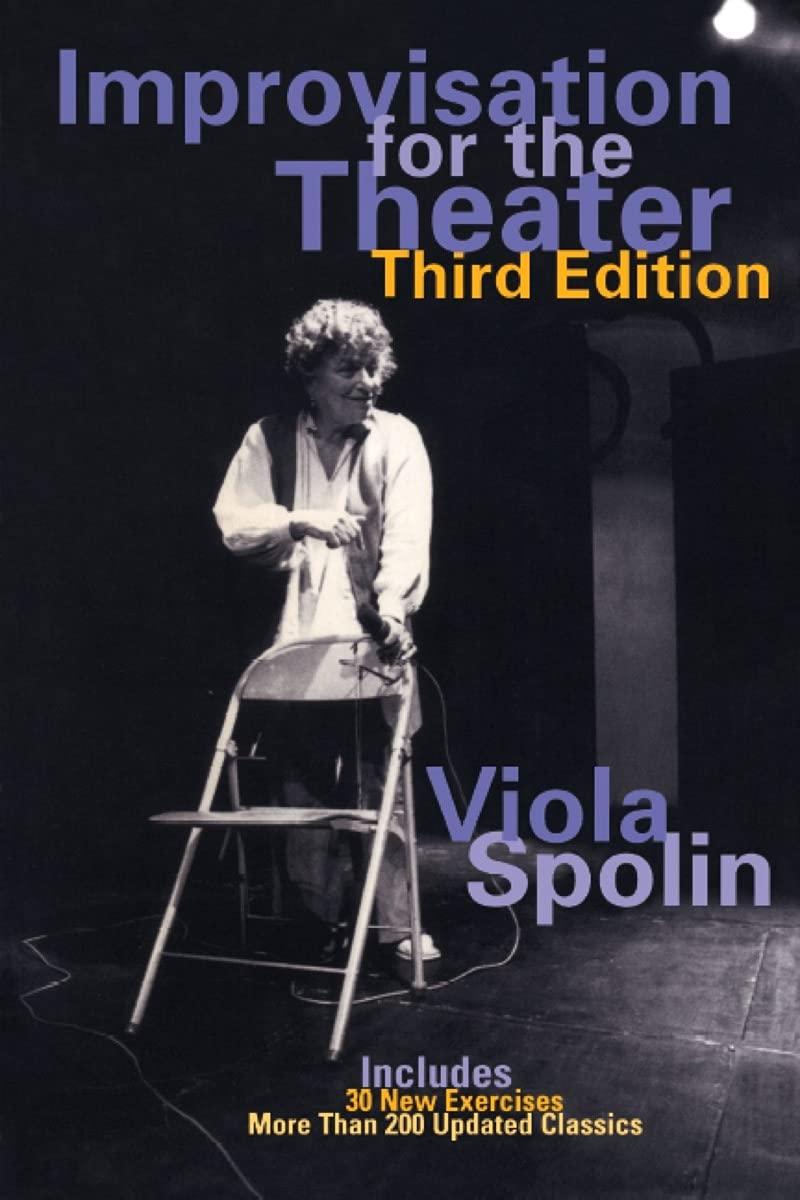
Improvisation for the Theater
A Handbook of Teaching and Directing Techniques
Viola Spolin
Related Games
Dating Game
Dating Game is a short-form guessing game modeled on television dating shows. One player interviews three potential "dates," each secretly endowed with a character quirk, celebrity identity, or unusual trait by the audience. The dater must identify each contestant's secret through the interview. The game rewards clear physicalization and clever deduction.
Bartender
Bartender is a short-form guessing game in which one player tends bar while several patrons, each endowed with a secret character trait, identity, or quirk by the audience, attempt to communicate their assignments through behavior, dialogue, and physical choices. The bartender must identify each patron's secret while maintaining the scene and keeping the bar running. The game belongs to the family of guessing games (alongside Party Quirks and Psychiatrist) and creates comedy through the tension between the patrons' increasingly obvious clues and the bartender's attempts to decode them. The bar setting provides a natural framework for one-on-one interactions, character reveals, and the rotating focus that guessing games require.
Blind Musical
Blind Musical is a short-form musical game in which performers create an improvised musical number without knowing the scene's premise, the musical style, or other key information. The constraints force pure instinctive creation and test the ensemble's ability to build coherent music from minimal shared context. The game rewards musical confidence and collaborative listening.
Blindfolded Scene
Blindfolded Scene is a scene game in which performers play a scene while blindfolded, unable to see their partners, the audience, or the space. The restriction heightens all other senses and forces players to listen, communicate position verbally, and trust their partners completely. The game reveals how much performers normally rely on visual cues.
Double Endowment
Double Endowment is a short-form guessing game in which two performers are each secretly endowed with a character trait by the audience, and both must simultaneously figure out their own trait from the clues the other performer is giving. Each performer knows the other's secret trait but not their own, and must embed clues for the other player while interpreting the clues being embedded for them. The result is a mutual guessing dynamic that rewards listening and responsive improvisation.
How to Reference This Page
The Improv Archive. (2026). Blind Date Character Quirks. Retrieved October 14, 2026, from https://improvarchive.org/games/blind-date-character-quirks
The Improv Archive. "Blind Date Character Quirks." The Improv Archive, 2026. https://improvarchive.org/games/blind-date-character-quirks.
The Improv Archive. "Blind Date Character Quirks." The Improv Archive, 2026, https://improvarchive.org/games/blind-date-character-quirks. Accessed October 14, 2026.
The Improv Archive is a systemically maintained repository. The archive itself acts as the corporate author.