Casino Game
Casino Game is a short-form game set in a casino or gambling environment where the high-stakes atmosphere provides natural tension. Players adopt characters drawn to the setting for different reasons, and the inherent drama of risk and reward drives the scene. The game rewards heightened emotional play and clear character motivation.
Structure
Setup
The playing area represents a casino floor or gambling establishment. The scene can be set at a blackjack table, a roulette wheel, a poker game, a slot machine bank, or anywhere within the casino environment. Characters are defined by what draws them to the casino.
The Stakes
The casino setting provides inherent narrative tension through the presence of risk, money, and the possibility of dramatic reversal. Characters who arrive with distinct motivations - the desperate gambler, the celebrant, the undercover investigator, the burnt-out dealer, the first-timer - create natural scene conflict without requiring external complications.
Play
Characters interact within the casino space. The actual gambling activity (cards dealt, wheels spun, chips exchanged) can be mimed or suggested. The scene develops through character interaction rather than game mechanics.
Heightening
Casino Game naturally escalates as stakes rise. Characters can win or lose dramatically, relationships can be tested by financial decisions, and the casino's heightened emotional atmosphere supports emotional intensity.
Variation: The Heist
The scene involves characters planning or executing some scheme within the casino - a card-counting operation, a distraction play, a safe crack. This adds a procedural element to the character scene.
How to Teach It
How to Explain It
"You're in a casino. Pick a character whose reason for being there gives them something specific to want. The setting does a lot of the work - use the atmosphere."
Why It Matters
Casino Game trains the skill of using a heightened setting as a driver for character motivation. The casino environment provides natural heightening without requiring performers to artificially escalate - the atmosphere of risk and reward does structural work that performers can lean into. The exercise teaches performers to let setting inform character rather than treating it as backdrop.
Common Coaching Notes
- Character motivation is everything. A scene full of people gambling aimlessly is boring. Characters who arrived with a specific want - and who are in tension with each other - create drama.
- Mime the gambling with specificity. Vague chip-pushing doesn't communicate. The physical specificity of handling chips, watching the dealer, reading a hand creates the reality of the space.
- The setting invites heightening. Use it. If a character's world is changing because of what happens at the table, let the scene reflect that change.
How to Perform It
Audience Intro
"What brings people to a casino? [Get suggestions.] We're going to need a few distinct characters - one who desperately needs to win, one who has no idea what they're doing, and one who's trying to take advantage of the situation. What should we know about this night?"
Brief performers on their characters before entering the scene.
Cast Size
3-5 performers. The casino setting supports ensemble interaction well. A dealer character provides a useful anchor who interacts with all others.
Staging
A table center-stage works as the primary location. Additional characters can be placed at the periphery or approached by other characters as needed.
Wrap Logic
The scene wraps at a clear emotional peak - a significant win or loss, a revelation, a confrontation. Casino scenes tend to reach natural dramatic peaks through the mechanics of risk: use them. The host can call the scene at the moment of maximum consequence.
Worth Reading
See all books →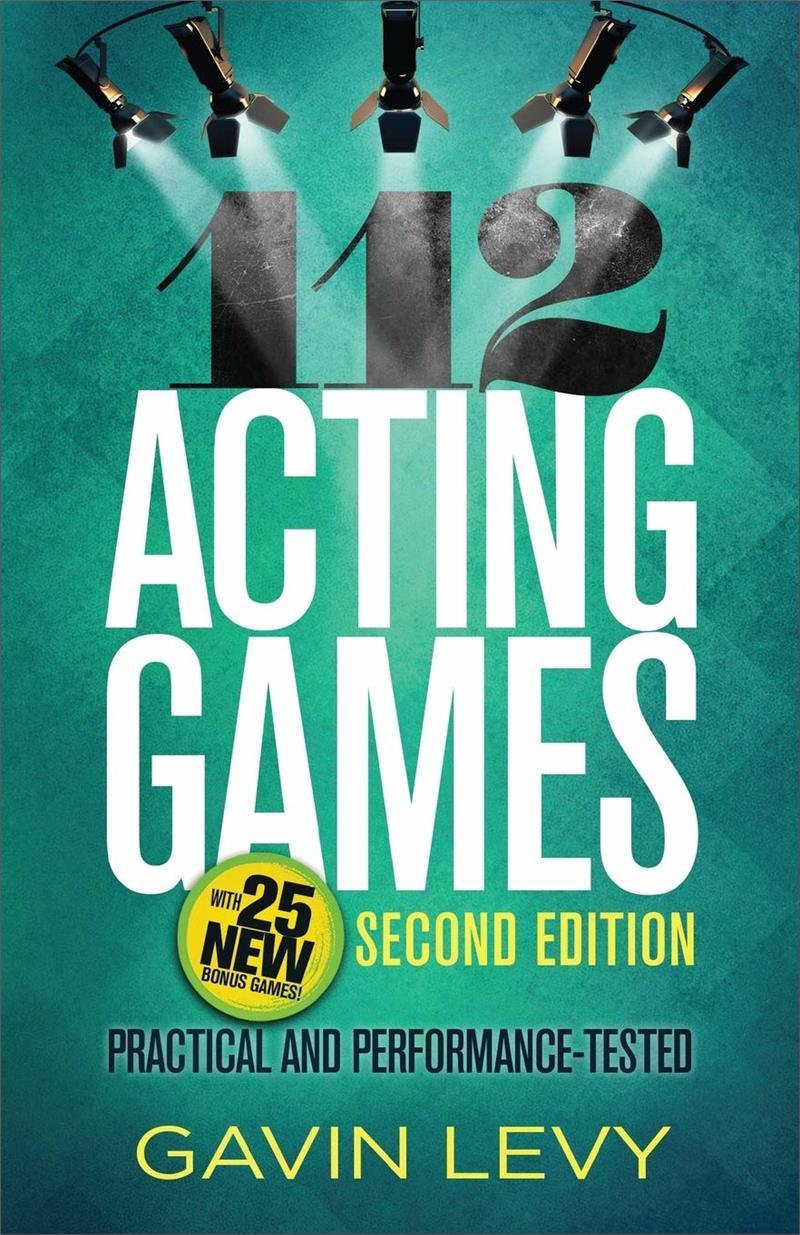
112 Acting Games
Gavin Levy
Theater Games for Rehearsal
Viola Spolin
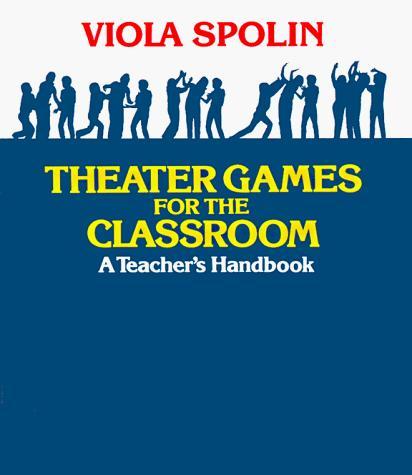
Theater Games for the Classroom
Viola Spolin

Drama Games and Improvs
Games for the Classroom and Beyond
Justine Jones; Mary Ann Kelley
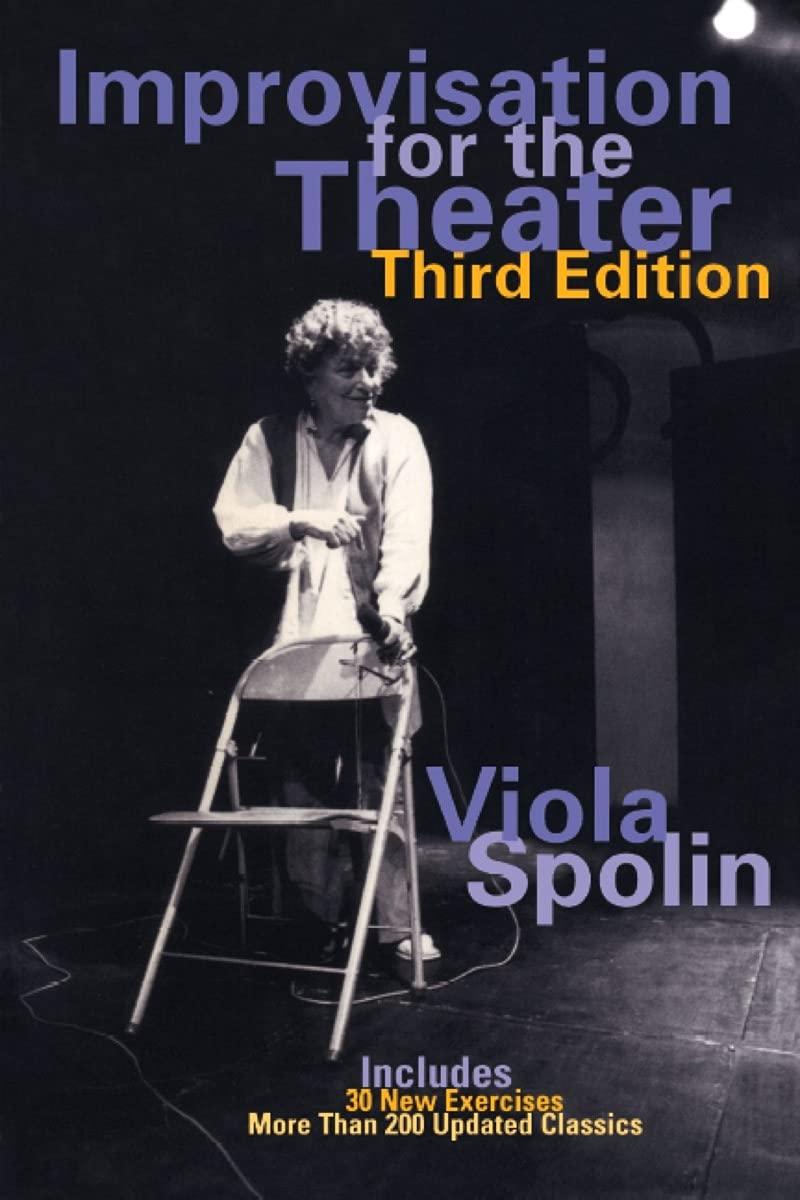
Improvisation for the Theater
A Handbook of Teaching and Directing Techniques
Viola Spolin
Theater Games for the Lone Actor
Viola Spolin
Related Games
Cards
Cards is a short-form game in which performers draw playing cards that assign them secret emotions, character traits, or scene constraints they must incorporate into the scene. The random assignment prevents pre-planning and forces genuine in-the-moment adaptation. The game rewards the ability to make any given constraint appear natural.
Motel
Motel is a short-form game set in a motel room where a succession of increasingly unusual guests check in one after another. Each new arrival brings a distinct character trait, problem, or situation that the existing occupants must accommodate or confront. The single room becomes a pressure cooker as incompatible characters are forced to share the space. The game rewards strong character entrances, the ability to build comedic chaos through accumulation, and the ensemble skill of managing an increasingly crowded stage.
Airplane
Airplane is a short-form scene game set aboard a commercial flight, where the confined setting and diverse passenger types create natural comic friction. Players adopt distinct characters whose quirks, fears, and agendas collide in the tight quarters of an aircraft cabin. The game exploits the inherent tension of air travel, where strangers with incompatible personalities are forced into close proximity with no escape. Character choices drive the comedy, as each performer establishes a clear behavioral pattern that escalates through interaction with the other passengers. The game rewards strong initiations, commitment to character, and the ability to build group dynamics in a shared environment.
Airport
Airport is an improv structure that uses the airport terminal as a setting for character-driven scene work and trust-building exercises. The airport provides a natural framework for dramatic encounters: strangers with different destinations, emotional states, and agendas occupy shared space under time pressure. As a scene game, players adopt distinct characters navigating arrivals, departures, delays, and the heightened emotions of travel. As a training exercise, the airport setting frames trust and communication drills where players guide each other through physical challenges. The structure appears across multiple improv and acting traditions, with variations ranging from scenic improvisations in waiting areas to guided obstacle courses using the metaphor of pilots and signalmen. The game rewards clear character choices, environmental awareness, and the ability to build layered group dynamics within a fixed location.
3 Series
3 Series is a short-form game in which three unrelated scenes run simultaneously. The host or caller switches between the scenes, and performers must pick up each thread exactly where it left off. The game tests memory, commitment, and the ability to sustain multiple narratives at once.
Bartender
Bartender is a short-form guessing game in which one player tends bar while several patrons, each endowed with a secret character trait, identity, or quirk by the audience, attempt to communicate their assignments through behavior, dialogue, and physical choices. The bartender must identify each patron's secret while maintaining the scene and keeping the bar running. The game belongs to the family of guessing games (alongside Party Quirks and Psychiatrist) and creates comedy through the tension between the patrons' increasingly obvious clues and the bartender's attempts to decode them. The bar setting provides a natural framework for one-on-one interactions, character reveals, and the rotating focus that guessing games require.
How to Reference This Page
The Improv Archive. (2026). Casino Game. Retrieved October 14, 2026, from https://improvarchive.org/games/casino-game
The Improv Archive. "Casino Game." The Improv Archive, 2026. https://improvarchive.org/games/casino-game.
The Improv Archive. "Casino Game." The Improv Archive, 2026, https://improvarchive.org/games/casino-game. Accessed October 14, 2026.
The Improv Archive is a systemically maintained repository. The archive itself acts as the corporate author.