Consciences
Consciences is a scene game in which each main character has an additional performer who voices their conscience, offering moral guidance, warnings, or temptations. The tension between a character's desires and their conscience creates layered comedy and dramatic irony. The game is closely related to Alter Ego but frames the inner voice as a moral authority.
Worth Reading
See all books →
Drama Games and Improvs
Games for the Classroom and Beyond
Justine Jones; Mary Ann Kelley
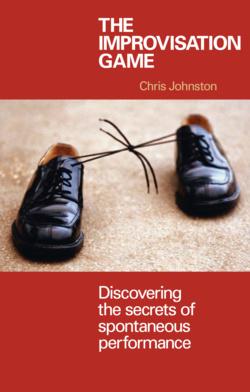
The Improvisation Game
Discovering the Secrets of Spontaneous Performance
Chris Johnston
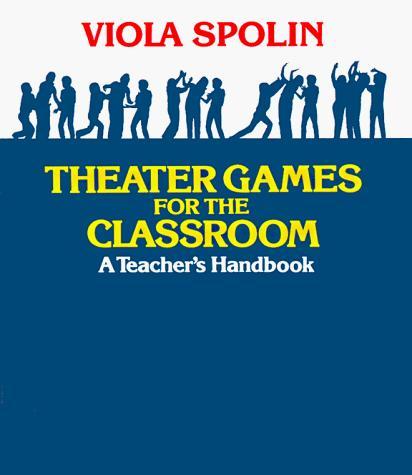
Theater Games for the Classroom
Viola Spolin

Theatrical Improvisation, Consciousness, and Cognition
Clayton D. Drinko
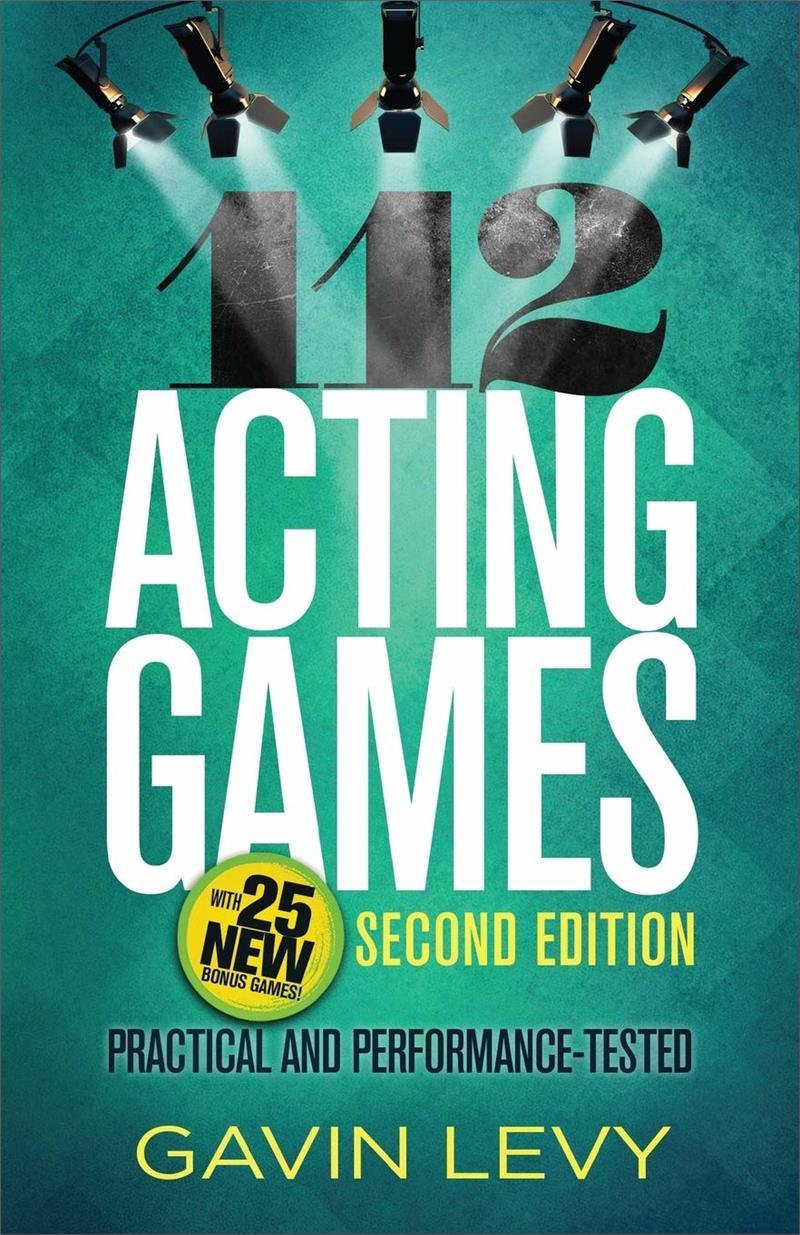
112 Acting Games
Gavin Levy
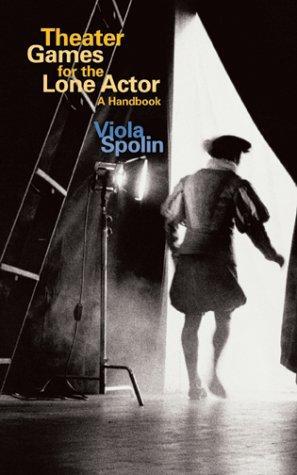
Theater Games for the Lone Actor
Viola Spolin
Related Games
Arpeggio
Arpeggio is a scene game in which multiple performers play aspects of a single character's personality, speaking in rapid succession like notes in a musical chord. The fragmented delivery reveals a character's internal contradictions and complexity. The game produces rich, layered characterization that a single performer could not achieve alone.
Confessions
Confessions is a scene game in which one or more characters reveal secrets, admissions, or hidden truths to another character or directly to the audience. The inherent vulnerability and dramatic stakes of confession provide strong emotional fuel without requiring an external gimmick. The game trains performers in emotional honesty, the ability to let a revelation land with appropriate weight, and the skill of responding authentically to unexpected information. Confessions rewards patience and specificity: the power of a confession comes from the details, not from the volume or melodrama of the delivery.
Peas in a Pod
Peas in a Pod is a scene game in which two performers must play characters who are extremely similar in personality, speech patterns, and worldview. The comedy arises from the pair's unified front and the challenge of maintaining interest without conflict. The game teaches performers to find the game within agreement rather than relying on opposition.
Character Swap
Character Swap is a scene game in which performers exchange characters mid-scene, each adopting the other's physicality, voice, and emotional state. The swap reveals how well players have been observing their partners and tests the ability to sustain someone else's character work. The game rewards careful listening and physical attention.
Voices from Heaven
Voices from Heaven is a short-form game in which offstage performers provide the spoken thoughts, inner commentary, or narration for onstage performers who move and react silently, creating comedy and dramatic irony through the gap between visible behavior and revealed interior.
Little Voice
Little Voice is a scene game in which one performer provides a running internal monologue for another performer's character, speaking the private thoughts aloud while the character plays the scene with a different outward presentation. The technique adds psychological depth by externalizing what the character would never say. The gap between the inner voice and the outer behavior creates comedy, dramatic irony, and character complexity. The game trains performers to play with subtext and demonstrates how much scene work depends on the difference between what characters think and what they reveal.
How to Reference This Page
The Improv Archive. (2026). Consciences. Retrieved October 14, 2026, from https://improvarchive.org/games/consciences
The Improv Archive. "Consciences." The Improv Archive, 2026. https://improvarchive.org/games/consciences.
The Improv Archive. "Consciences." The Improv Archive, 2026, https://improvarchive.org/games/consciences. Accessed October 14, 2026.
The Improv Archive is a systemically maintained repository. The archive itself acts as the corporate author.