Style Replay
Style Replay is a short-form game in which a scene is performed once, then replayed in a series of audience-suggested styles, genres, or performance traditions. Each replay transforms the same basic content through a completely different theatrical or cinematic lens.
Structure
Setup
The performers take a suggestion from the audience to establish a simple two-person scene. They agree on a relationship, location, and basic situation.
Original Scene
The performers play the scene once, establishing the characters, relationship, and a clear beginning, middle, and end. This original version serves as the source material for all subsequent replays.
Style Suggestions
The host asks the audience to suggest styles, genres, or performance traditions. These might include film noir, Bollywood, silent film, soap opera, Shakespearean tragedy, romantic comedy, horror, or any theatrical form the audience names.
Replay in Style
The performers replay the scene in the first suggested style. They transform every element of performance, including language, physicality, pacing, staging, and emotional register, to match the genre. The content of the original scene remains recognizable but filtered through the new style.
Subsequent Replays
The game continues through additional style suggestions, with each replay offering a new transformation of the source material. The comedy often comes from watching familiar content rendered in wildly different registers.
How to Teach It
Objectives
Style Replay develops range, genre literacy, and the ability to transform performance choices in response to external constraints. Performers learn to identify and replicate the conventions that define different styles.
How to Explain It
"We are going to play a scene once, then replay it in whatever styles the audience suggests. Same basic story, completely different style. Pay attention to the original because you need to be able to replay it."
Scaffolding
Before running Style Replay in performance, practice as an exercise by taking a well-known fairy tale or folk story and replaying it in multiple styles. This lets performers develop genre vocabulary in a low-stakes context.
Common Pitfalls
The most common issue is performers who only capture the surface features of a genre, such as an accent or a musical stab, without transforming their actual behavior. Style replay requires changing pacing, physicality, emotional register, and language register, not just adding a superficial marker.
How to Perform It
Game Mechanics
Style Replay works best when the original scene has a clear, simple emotional core that can survive transformation. Scenes with too many characters or complex plot threads are difficult to replay coherently in new styles.
Performer Skills
The game rewards performers with broad cultural literacy across film, television, and theatrical genres. The more specifically a performer can capture a style's conventions, the stronger the replay. Generic imitations of genres feel less satisfying than specific, knowledgeable renderings.
Worth Reading
See all books →
Theater Games for Rehearsal
Viola Spolin
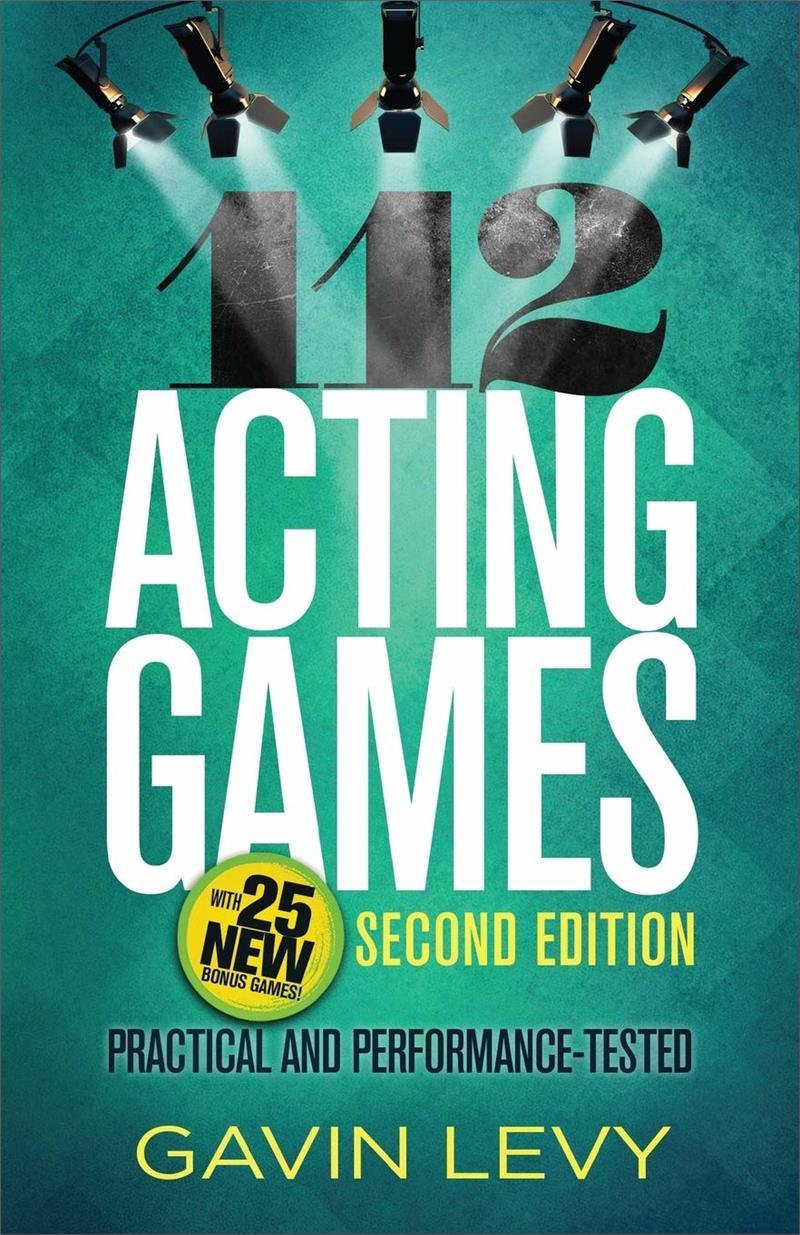
112 Acting Games
Gavin Levy
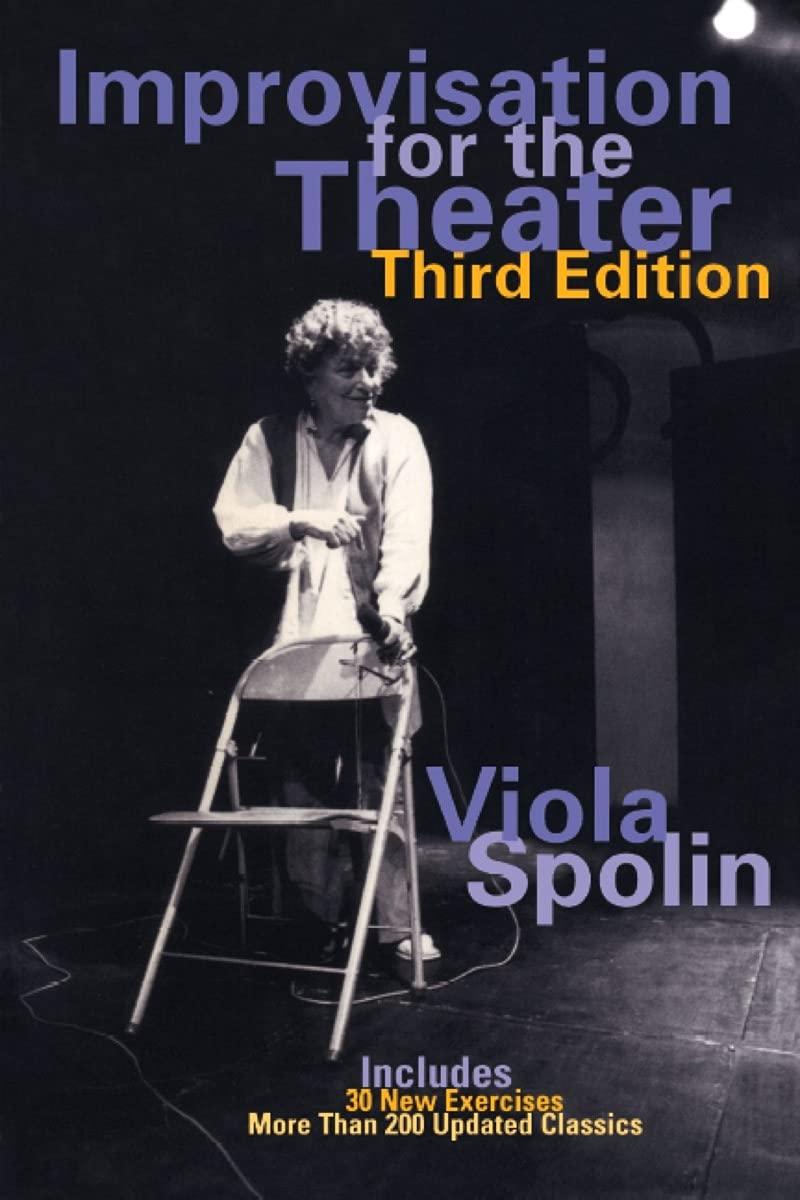
Improvisation for the Theater
A Handbook of Teaching and Directing Techniques
Viola Spolin

Acting Through Improv
Improv Through Theatresports
Lynda Belt; Rebecca Stockley

Improvising Now
A Practical Guide to Modern Improv
Rob Norman

Improvising Real Life
Personal Story in Playback Theatre
Jo Salas
Related Games
Mega Replay
Mega Replay is a short-form game in which a scene or series of scenes is replayed multiple times, each time in a dramatically different style, genre, or emotional register. The game demonstrates the ensemble's range and versatility by showing the same material transformed across radically different theatrical and comedic conventions -- from opera to thriller, from silent film to children's television -- rewarding specificity of style and the audience's recognition of each new frame.
Scene Replay
Scene Replay is a short-form game in which a scene is performed once, then replayed with a significant modification such as a new genre, emotional shift, or physical constraint. The replay preserves the original scene's structure and relationship while the imposed change reveals how a single variable transforms meaning, comedy, and dynamics.
Historical Replay
Historical Replay is a scene game in which a contemporary scene -- established through audience suggestion -- is replayed as though it occurred in different historical periods. The same events, relationships, and conflicts are recontextualized in ancient Rome, the Victorian era, the 1920s, or any other historical setting that the performers inhabit with specific language, physicality, and social convention. The contrast between the original scene and its historical incarnations generates the game's comedy.
Replay Gibberish
Replay Gibberish is a short-form game in which a scene is first performed in coherent dialogue, then replayed entirely in gibberish. The performers must convey the same story, emotions, and relationships using only invented sounds, facial expressions, and physicality, demonstrating how much communication exists beyond words.
Continuing Styles
Continuing Styles is a scene game in which the performance style shifts at the host's command, moving through genres such as film noir, soap opera, Shakespeare, or horror. Performers must maintain the scene's established reality while instantly translating every element -- dialogue, physicality, relationships, and emotional stakes -- into the new style.
Emotion Replay
Emotion Replay is a short-form game in which a brief scene is performed once, then replayed with different emotions assigned to each performer or to the scene as a whole. The same dialogue and physical action take on new meaning when filtered through joy, rage, terror, or grief, demonstrating how emotional state transforms the experience of any situation. The game makes the effect of emotion visible and concrete.
How to Reference This Page
The Improv Archive. (2026). Style Replay. Retrieved September 28, 2026, from https://improvarchive.org/games/style-replay
The Improv Archive. "Style Replay." The Improv Archive, 2026. https://improvarchive.org/games/style-replay.
The Improv Archive. "Style Replay." The Improv Archive, 2026, https://improvarchive.org/games/style-replay. Accessed September 28, 2026.
The Improv Archive is a systemically maintained repository. The archive itself acts as the corporate author.