Exit Game
Exit Game is a short-form scene game in which the last performer to leave the stage at the end of the round wins. The game creates a comedic standoff: performers must find any justification within the scene -- narrative, emotional, physical -- for staying onstage after their scene partners have exited. The longer they remain, the more the justification must escalate. The game rewards commitment to character logic and inventive scene construction.
Structure
Setup
The host solicits a suggestion and establishes a premise. Three to five performers begin a scene.
Progression
The scene plays out normally. As it develops, performers begin seeking narrative exits -- moments when it becomes logical for their character to leave. The game's competition emerges naturally: when one performer makes a move toward exit, others find reasons to stay.
Exits must be earned within the logic of the scene. A performer cannot simply decide not to leave; they must find a reason their character's situation requires continued presence -- an unresolved conflict, a physical obstacle, a new piece of information.
The exits happen one at a time, each justified by the scene. The final performer standing wins the round.
Conclusion
The host announces the winner when the final performer remains alone onstage. The game can run multiple rounds with the same or a new premise.
How to Teach It
Objectives
Exit Game trains scene logic, justification under competitive pressure, and the ability to find narrative reasons to stay in a situation rather than retreating from it. It also develops the courage to hold the stage alone, which is a significant performance challenge for many improvisers.
How to Explain It
"Your character has a reason to stay in this scene. Find it. The last one standing wins -- but only if the reason they stayed made sense in the scene."
Scaffolding
In rehearsal, run the game without the competitive frame first, simply asking performers to justify their character's continued presence before exiting. Once justification is natural, reintroduce the competition structure.
Common Pitfalls
Performers sometimes stay onstage by simply ignoring the scene's logic -- their character has clearly been dismissed or resolved but they refuse to leave. The coaching note is that a good exit hold must be believable within the world of the scene.
How to Perform It
Audience Intro
"Everyone in this scene wants to be the last one onstage. Watch for the exits -- and watch for all the reasons they decide to stay."
Cast Size
Minimum 3. Ideal 4 to 5. Larger casts generate more exit strategies and longer escalation before the final standoff.
Staging
The exits should be physically clear -- performers actually leave the stage or a designated exit area rather than retreating to the periphery. The remaining performer must genuinely hold the space alone, which raises the physical and comedic stakes.
Wrap-Up Logic
The game ends when one performer has outlasted all others. The host acknowledges the winner before transitioning to the next game.
Worth Reading
See all books →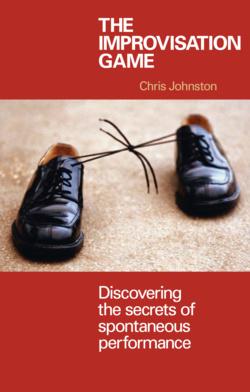
The Improvisation Game
Discovering the Secrets of Spontaneous Performance
Chris Johnston
Theater Games for Rehearsal
Viola Spolin
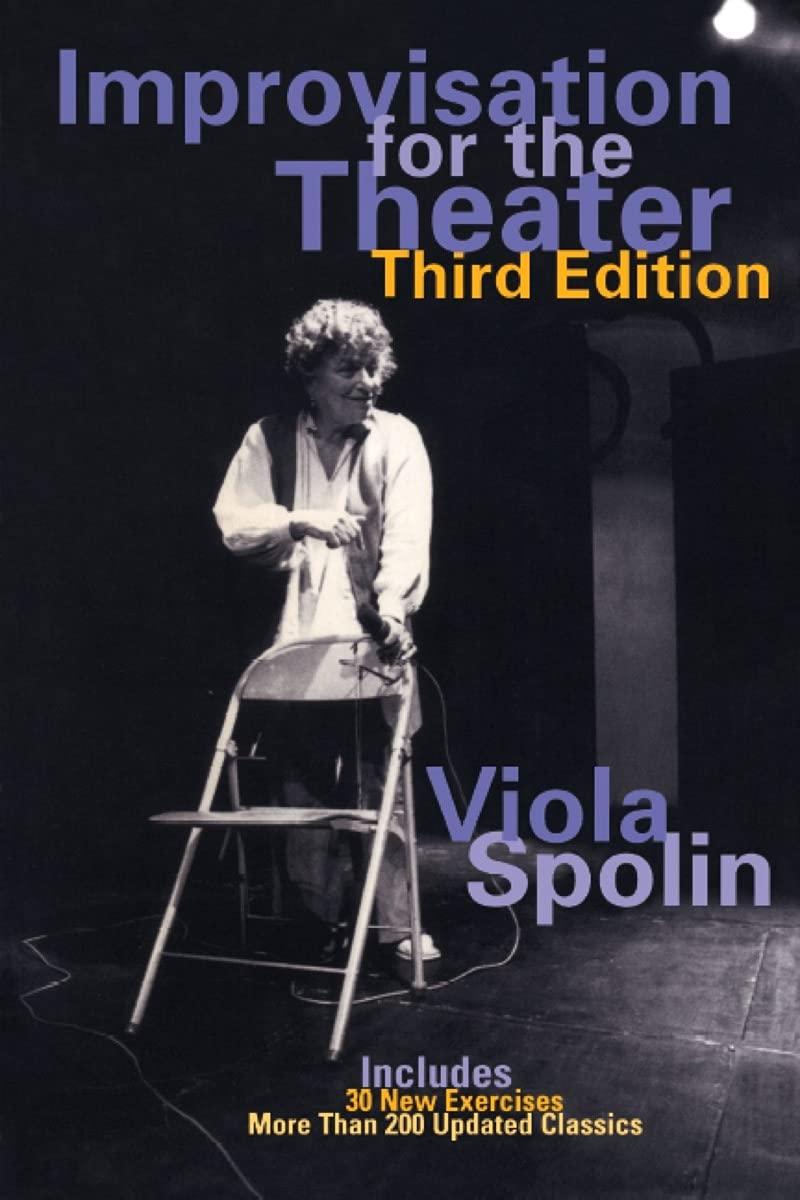
Improvisation for the Theater
A Handbook of Teaching and Directing Techniques
Viola Spolin
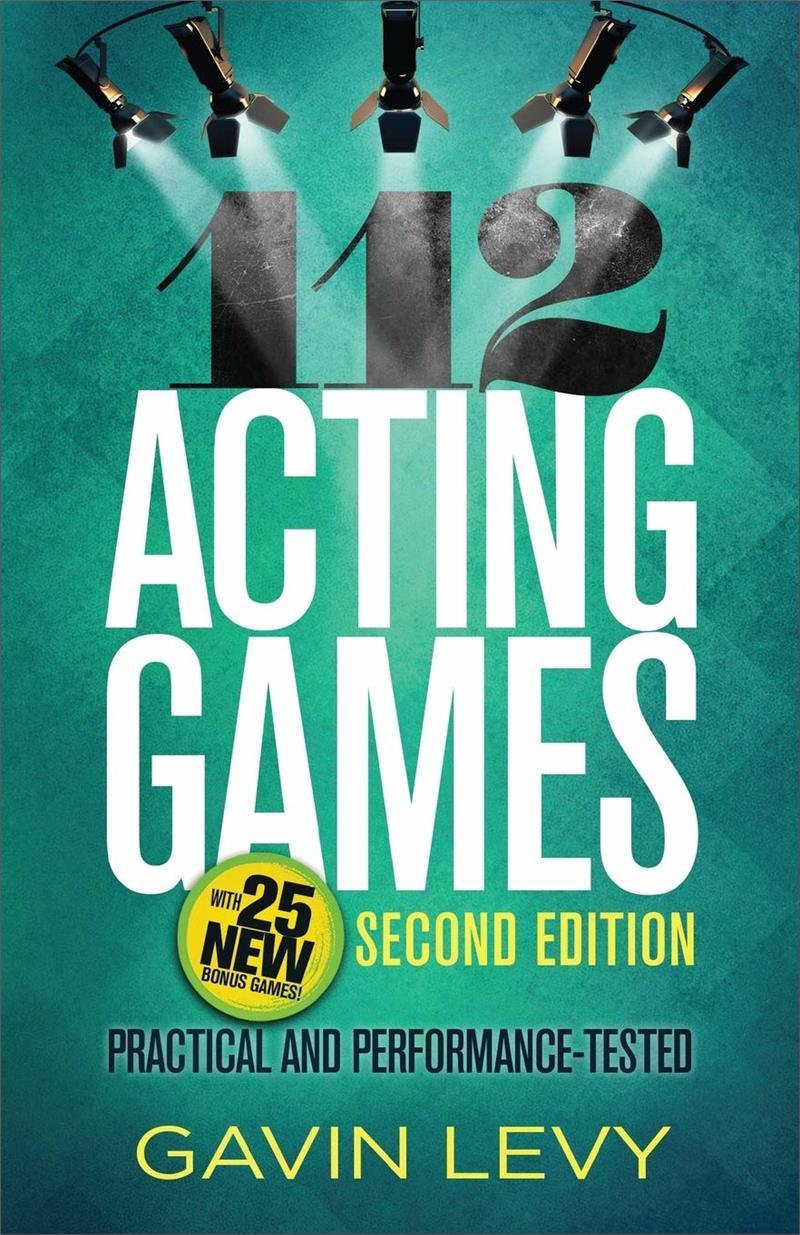
112 Acting Games
Gavin Levy

The Young Actor's Book of Improvisation
Dramatic Situations
Sandra Caruso; Susan Kosoff

Acting Through Improv
Improv Through Theatresports
Lynda Belt; Rebecca Stockley
Related Games
Last Line
Last Line is a scene game in which the audience provides a line of dialogue that must serve as the final words of the scene. The performers build a narrative that makes the predetermined ending feel inevitable and earned rather than forced. The game trains the ability to reverse-engineer a story toward a fixed conclusion, developing narrative instinct and the skill of planting details early that pay off at the end. The audience's awareness of the destination creates dramatic irony and anticipation throughout the scene.
Doors
Doors is a scene game in which performers enter and exit through imagined doors, with each entrance bringing a new character, revelation, or complication. The physical act of entering through a door heightens the theatrical convention and gives each new addition a clear punctuation. The game rewards strong entrance choices and the ability to build on what has already been established.
Last Letter Scene
Last Letter Scene is a hybrid game and exercise in which each line of dialogue must begin with the last letter of the previous line. The constraint forces performers to listen with acute precision -- not to the general content of what is said but to the exact final sound of each utterance -- while maintaining scene coherence, character, and forward momentum simultaneously.
How to Reference This Page
The Improv Archive. (2026). Exit Game. Retrieved September 29, 2026, from https://improvarchive.org/games/exit-game
The Improv Archive. "Exit Game." The Improv Archive, 2026. https://improvarchive.org/games/exit-game.
The Improv Archive. "Exit Game." The Improv Archive, 2026, https://improvarchive.org/games/exit-game. Accessed September 29, 2026.
The Improv Archive is a systemically maintained repository. The archive itself acts as the corporate author.