Famous Last Words
Famous Last Words is a short-form game in which performers deliver dramatic or comedic final statements in response to various scenarios provided by the audience or host. Each performer must produce a distinct, character-specific statement appropriate to the conditions of their fictional demise or farewell. The game rewards invention, quick character establishment, and the ability to find the specific, surprising last thing a particular person would say.
Structure
Setup
Performers stand in a line or cluster. The host solicits a scenario from the audience -- a setting, a cause of death, a life situation -- and assigns each performer a character type or context.
Progression
One at a time, performers deliver their character's famous last words. The statement must be specific to the character and the scenario: the last words of a competitive chef, the final declaration of a museum docent, the parting wisdom of a conspiracy theorist.
The host can call performers in sequence or point to individuals at random. Performers have a brief moment to establish their character internally before speaking.
The game may run through multiple scenarios, with the same performers producing different characters for each, or with a single scenario generating final statements from an ever-evolving cast of character types.
Conclusion
The game ends when the scenario has been fully mined or when the host determines the round has reached its comedic peak.
How to Teach It
Objectives
Famous Last Words trains character establishment under pressure, the ability to find a specific rather than generic response, and the discipline of the short, complete statement. The game's constraint -- one last thing to say -- forces specificity that open-ended scene work sometimes avoids.
How to Explain It
"You have one line. Make it the most specific, most perfectly you thing your character could possibly say in this moment."
Scaffolding
In rehearsal, run the exercise with assigned character types ("you are a retired librarian") before allowing performers to generate their own. The assigned character reduces the creative load and focuses the energy on the quality of the single statement.
Common Pitfalls
Performers often default to generic dramatic declarations rather than character-specific statements. The coaching note is that the game is most effective when the statement could only have come from this particular person in this particular situation. A last word that could belong to anyone has not found its character.
How to Perform It
Audience Intro
"We're going to need a scenario -- a situation in which someone might have famous last words. And then I'm going to need character types from you."
Cast Size
Minimum 3. Ideal 4 to 6. A larger pool provides more comedic variety and allows the host to build contrast between consecutive performers.
Staging
Performers stand in a line or cluster and step forward briefly to deliver their statement. A slight step forward and a clear vocal commitment signal the performer's moment without requiring elaborate staging. The brevity of each statement means the game's pacing depends on clean, rapid transitions between performers.
Wrap-Up Logic
The host ends the round after a strong final statement. A last line that tops all preceding ones provides the cleanest close.
Worth Reading
See all books →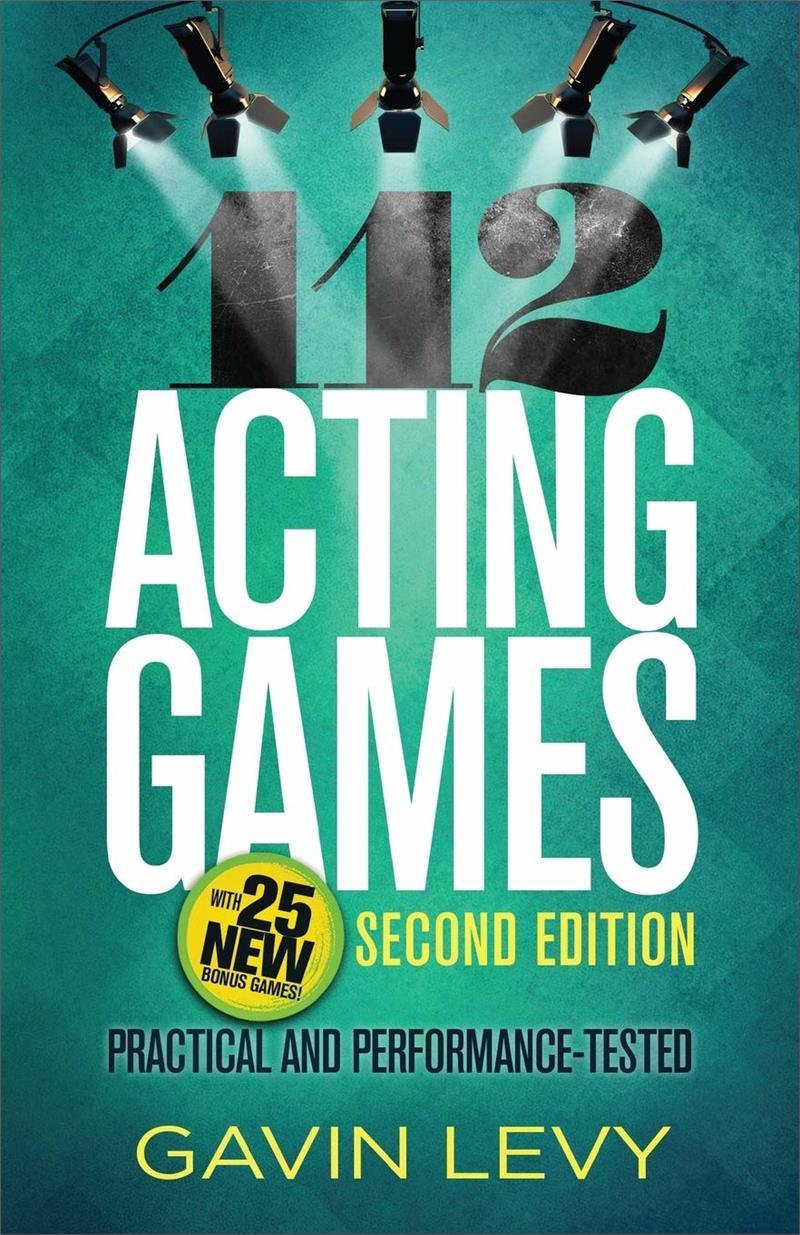
112 Acting Games
Gavin Levy

Drama Games and Improvs
Games for the Classroom and Beyond
Justine Jones; Mary Ann Kelley

Great Group Skits
50 Character-Building Scenarios for Teens
Lynn Grasberg; Gina Oldenburg
Theater Games for Rehearsal
Viola Spolin
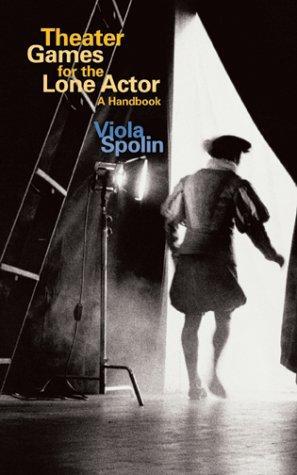
Theater Games for the Lone Actor
Viola Spolin

The Playbook
Improv Games for Performers
William Hall
Related Games
Last Line
Last Line is a scene game in which the audience provides a line of dialogue that must serve as the final words of the scene. The performers build a narrative that makes the predetermined ending feel inevitable and earned rather than forced. The game trains the ability to reverse-engineer a story toward a fixed conclusion, developing narrative instinct and the skill of planting details early that pay off at the end. The audience's awareness of the destination creates dramatic irony and anticipation throughout the scene.
Last Letter Scene
Last Letter Scene is a hybrid game and exercise in which each line of dialogue must begin with the last letter of the previous line. The constraint forces performers to listen with acute precision -- not to the general content of what is said but to the exact final sound of each utterance -- while maintaining scene coherence, character, and forward momentum simultaneously.
Exit Game
Exit Game is a short-form scene game in which the last performer to leave the stage at the end of the round wins. The game creates a comedic standoff: performers must find any justification within the scene -- narrative, emotional, physical -- for staying onstage after their scene partners have exited. The longer they remain, the more the justification must escalate. The game rewards commitment to character logic and inventive scene construction.
Ding
Ding is a short-form game in which a host rings a bell or buzzer to signal a performer to replace their last line of dialogue with a new one. The host can ring repeatedly, demanding multiple replacements for the same moment, each new line erasing the previous one within the scene's reality. The game is one of the most widely performed short-form games in the world, popularized through its frequent appearance on Whose Line Is It Anyway? Ding rewards fast verbal invention, the ability to generate multiple alternatives under pressure, and the willingness to abandon a safe choice in favor of a riskier, funnier one.
Rumors
Rumors is a scene game in which a piece of information passes through a chain of performers, each of whom retells it to the next in a brief two-person scene. The message transforms with each retelling as performers misunderstand, embellish, or omit details, until the final version bears little resemblance to the original. The game dramatizes the mechanics of gossip and gives performers a visceral understanding of how information distorts through social transmission.
How to Reference This Page
The Improv Archive. (2026). Famous Last Words. Retrieved September 28, 2026, from https://improvarchive.org/games/famous-last-words
The Improv Archive. "Famous Last Words." The Improv Archive, 2026. https://improvarchive.org/games/famous-last-words.
The Improv Archive. "Famous Last Words." The Improv Archive, 2026, https://improvarchive.org/games/famous-last-words. Accessed September 28, 2026.
The Improv Archive is a systemically maintained repository. The archive itself acts as the corporate author.