Rumors
Rumors is a scene game in which a piece of information passes through a chain of performers, each of whom retells it to the next in a brief two-person scene. The message transforms with each retelling as performers misunderstand, embellish, or omit details, until the final version bears little resemblance to the original. The game dramatizes the mechanics of gossip and gives performers a visceral understanding of how information distorts through social transmission.
Structure
Setup
Five or more performers line up at the side of the space. The facilitator privately tells the first performer a specific, detailed piece of information: a rumor about a fictional person or situation. The more concrete and specific the original information, the more satisfying the distortions become.
Gameplay
The first performer and second performer play a brief scene together, during which the first performer passes the information to the second as naturally as possible within their characters and circumstances. The scene does not have to be about the information; it simply needs to occur so that the passing can happen organically.
The first performer exits. The second performer then plays a scene with the third performer and passes what they understood of the information. The original context, characters, and specific details are subject to change at every retelling: the second performer may have misunderstood, remembered it differently, or added their own interpretation.
This continues down the line until the last performer has received the information. The facilitator then reads the original message aloud, and the final version is compared to it for the group.
Scene Structure
Scenes should be varied: different locations, relationships, and circumstances for each pair. The information should emerge from the scene rather than being delivered as a speech. A performer who has two characters meet in a coffee shop and gossip will reach the same mechanical outcome as one who has them share information at a bus stop or in a kitchen, but the variety keeps the structure alive.
How to Teach It
How to Explain It
"I am going to tell the first person a secret about someone in this scene. They will pass it along, and by the time it reaches the performers on stage, it will have changed. Play the scene as if the rumor is true. The scene decides what the rumor means."
Objectives
Rumors trains performers to build a scene around given information without making the information the scene's only purpose. It also illustrates the improv principle that information changes as it travels, which has implications for how performers track and trust offers across a longer scene or set.
The debrief after Rumors is particularly useful in applied contexts: the game gives concrete, observable evidence of how information distorts through social networks, making abstract principles about communication and listening immediately tangible.
Facilitating
Choose the starting rumor carefully. Vague information produces vague distortions. Information with specific numbers, names, and causal relationships produces the most satisfying transformation. Example: "Sarah told me that Thomas borrowed forty dollars from the drama teacher to pay for tickets to a show that was actually cancelled."
Common Coaching Notes
- "Don't hand over the information. Let it come up naturally in the scene."
- "You're not trying to distort it. You're trying to remember it. Let the distortion happen."
- "Play the relationship, not the message."
- "Specifics get garbled. Emotions survive. Watch for that."
How to Perform It
Playing the Scene vs. Passing the Information
The failure mode in Rumors is the scene becoming a delivery mechanism: two performers face each other and one immediately says the information. Strong performances integrate the information into a real scene. The audience should feel the naturalness of the transmission, which makes the subsequent distortion more surprising.
The performer receiving the information should not appear to be memorizing it. Taking the information lightly, not urgently, is more realistic and produces more interesting distortions: if the receiver treats the information as trivial, they will misremember it more thoroughly.
Distortion Strategy
Deliberate distortion undermines the game. Performers who intentionally change the information are sabotaging the exercise. The best distortions happen when performers genuinely try to be accurate and fail: misunderstood words, transposed details, omitted qualifiers, characters who heard only part of the sentence.
History
Rumors is an improv adaptation of the children's party game Telephone (also called Chinese Whispers in British usage), in which a message passed in sequence through a line of participants distorts through mishearing and misremembering. The theatrical adaptation adds character, scene, and circumstance to each link in the chain, transforming an information game into a performance exercise.
Gavin Levy documents the game as Exercise 131 in 112 Acting Games, describing it as "a fairly well-known activity with a little twist" that gives students "a visceral understanding" of information distortion. The game appears in improv and drama education curricula under multiple names. Gay Grasberg documents a version called Ridiculous Rumors in Great Group Skits. Mary Gwen Kelley lists Rumors as a game option in Improv Ideas.
Worth Reading
See all books →
Improv Ideas
A Book of Games and Lists
Mary Ann Kelley; Justine Jones
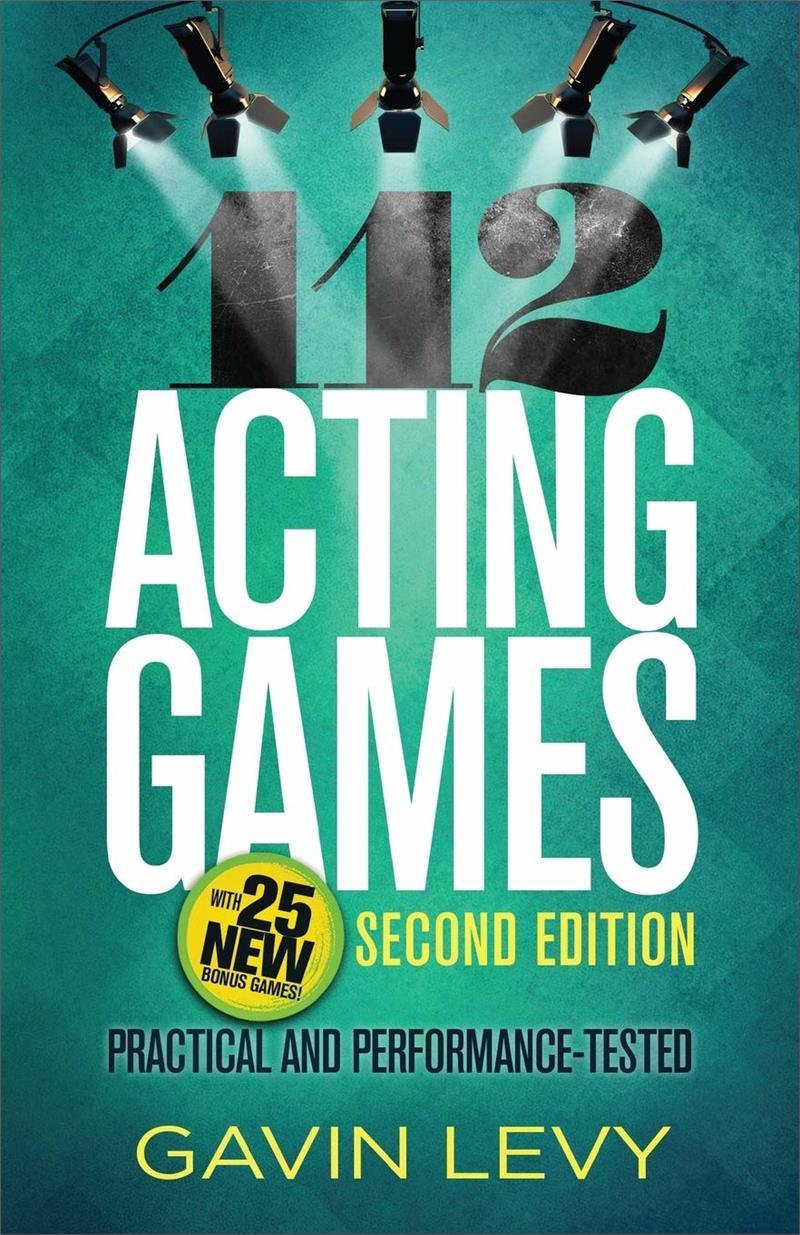
112 Acting Games
Gavin Levy

Great Group Skits
50 Character-Building Scenarios for Teens
Lynn Grasberg; Gina Oldenburg

Drama Games and Improvs
Games for the Classroom and Beyond
Justine Jones; Mary Ann Kelley

Impro for Storytellers
Keith Johnstone
Theater Games for Rehearsal
Viola Spolin
Related Games
Tell the Truth
Tell the Truth is a game in which a small group of performers privately construct a mix of true personal stories and invented ones, then present them all as true while observers attempt to identify which account is genuine. The game teaches that specificity and conviction make any story believable, and that the most implausible-sounding detail is often the true one. It develops honest performance and the actor's capacity to fully inhabit invented material.
Script Tease
Script Tease is a short-form game in which performers hold actual scripts or random text and must incorporate the written lines into their improvised scene, reading from the page at key moments while making the pre-written text fit naturally within the context of the scene.
Believe It or Not
Believe It or Not is a storytelling game in which one player tells a story that is either true or entirely invented, and the audience or fellow players must determine which. The storyteller delivers the narrative with equal conviction regardless of its veracity, making the game a test of performance commitment and audience perception. The game rewards detailed, specific delivery and the ability to sell a narrative through confidence, body language, and emotional authenticity. For audiences and fellow players, the game sharpens critical listening and observation. Believe It or Not functions as both a performance game and a training exercise, building skills in storytelling, character conviction, and the relationship between truth and believability in performance.
Secrets Endowment
Secrets Endowment is a short-form game in which performers are given secret information about their characters that the other performers do not know, creating dramatic irony as each player navigates a scene while hiding or gradually revealing their secret.
Asides
Asides is a scene technique game in which performers periodically break from the action to address the audience directly with their character's private thoughts. Borrowed from theatrical convention dating back to Shakespeare and the Restoration comedy tradition, the aside allows a character to reveal inner monologue, secret motives, or contradictory feelings while other characters on stage cannot hear what is said. In improv, the technique layers subtext over surface dialogue, creating dramatic irony and comedy through the gap between what characters say to each other and what they confide to the audience. The game trains performers to maintain dual awareness of both the scene and the audience, and to develop rich inner lives for their characters that extend beyond spoken dialogue.
The Lineage
Explore the schools and structures that influenced or evolved from Rumors.
112 Acting Games (Levy)
How to Reference This Page
The Improv Archive. (2026). Rumors. Retrieved September 28, 2026, from https://improvarchive.org/games/rumors
The Improv Archive. "Rumors." The Improv Archive, 2026. https://improvarchive.org/games/rumors.
The Improv Archive. "Rumors." The Improv Archive, 2026, https://improvarchive.org/games/rumors. Accessed September 28, 2026.
The Improv Archive is a systemically maintained repository. The archive itself acts as the corporate author.