Hall of Justice
Hall of Justice is a scene game set in a courtroom or tribunal in which characters present their cases, testify, cross-examine, and pass judgment on an audience-suggested dispute. The legal framework provides a formal structure -- order, procedure, escalating confrontation -- that generates comedy through the application of courtroom gravity to trivial or absurd subject matter. The game rewards commitment to the legal form and the ability to find rhetoric and passion in any cause.
Structure
Setup
An audience suggestion establishes the dispute to be adjudicated -- typically a trivial, personal, or absurd grievance that the courtroom format will treat with full seriousness. Roles are distributed: a judge, at least one plaintiff, one defendant, and potential witnesses or attorneys.
Opening Arguments
Plaintiff and defendant (or their attorneys) present their cases to the court in formal address. The language should maintain the register of courtroom proceedings -- your honor, I submit, the evidence will show -- while the content escalates toward absurdity.
Testimony and Cross-Examination
Witnesses are called. Testimony reveals new information, contradicts previous claims, or introduces unexpected complications. Cross-examination allows performers to heighten the drama through pointed questioning. The judge maintains (or loses) order.
Judgment
The judge deliberates and delivers a verdict, which may be impartial, clearly biased, or deeply unorthodox. The judgment closes the scene and provides the game's button.
Ending
The gavel falls. The verdict is delivered. The game ends with the judge's final word, which ideally reframes or heightens the entire proceeding.
How to Teach It
Objectives
Hall of Justice trains the ability to commit to formal register under absurd conditions, to build a case with internal logic, and to find genuine passion in trivial causes. It also develops the ability to sustain and respond to escalating confrontation within a structured frame.
How to Explain It
"This is a real court. Real proceedings. Real stakes. Whatever the case is -- however ridiculous it sounds -- treat it with complete legal seriousness. The comedy comes from the contrast, not from winking at the audience."
Scaffolding
Introduce the courtroom vocabulary before play begins: opening statements, your honor, I object, sustained, overruled. This gives performers a shared formal register to commit to and return to when the scene drifts toward chaos.
Common Pitfalls
Performers sometimes abandon the formal register to play the absurdity directly, which collapses the contrast that creates the comedy. The game is funniest when the court treats the ridiculous case with full procedural gravity. Coaches should redirect performers who break form rather than sustaining it.
How to Perform It
Audience Intro
"All rise. Court is now in session. Today's case -- brought to us by the audience -- is about to be heard. Your Honor will preside."
Cast Size
Ideal: 4 to 6 performers. One judge, two opposing parties (or attorneys), and one or two witnesses.
Staging
The judge at a raised or central position; plaintiff and defendant on opposite sides. Clear spatial separation between the court's parties reinforces the adversarial structure.
Wrap-Up Logic
The game ends when the judge delivers the verdict. A strong verdict with a surprising legal rationale provides the best close.
Worth Reading
See all books →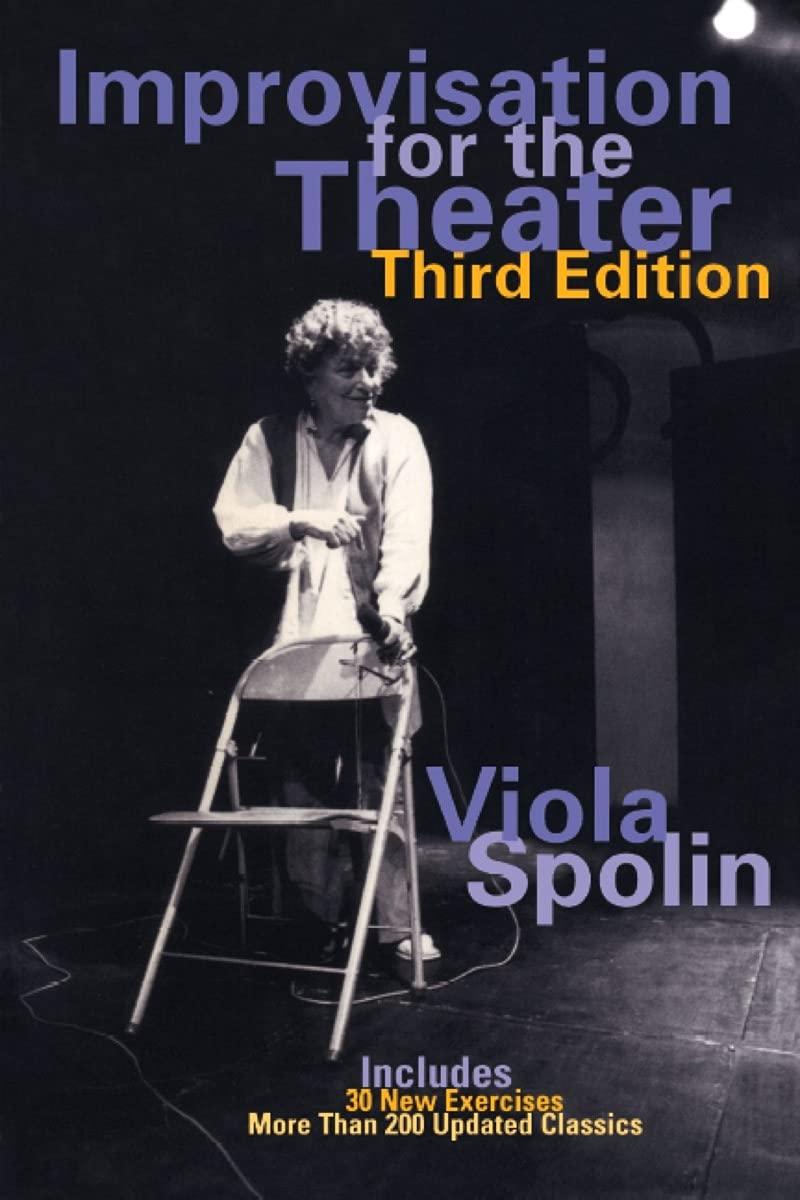
Improvisation for the Theater
A Handbook of Teaching and Directing Techniques
Viola Spolin
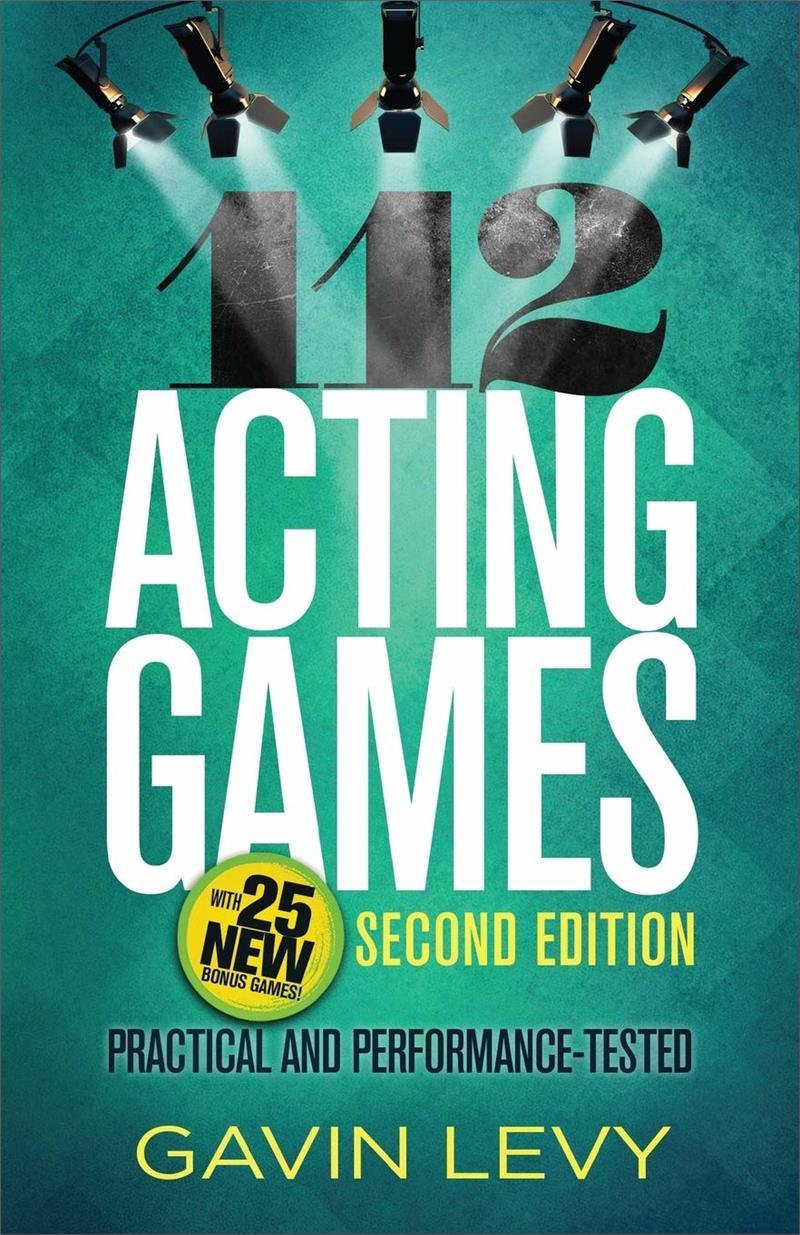
112 Acting Games
Gavin Levy

The Playbook
Improv Games for Performers
William Hall
The Improvisation Game
Discovering the Secrets of Spontaneous Performance
Chris Johnston

Drama Games and Improvs
Games for the Classroom and Beyond
Justine Jones; Mary Ann Kelley
Theater Games for Rehearsal
Viola Spolin
Related Games
Complaints Department
Complaints Department is a scene game in which one performer staffs a customer service desk while others present increasingly unusual, impossible, or escalating grievances. The desk representative must take each complaint seriously, respond with bureaucratic procedure, and attempt to resolve or acknowledge each case, while the complaints become progressively more surreal.
Murderer
Murderer is a social deduction game in which players move freely around a space while one secretly designated player eliminates others by winking at them. When a player receives a wink, they count silently to five and then perform a dramatic death. Surviving players attempt to identify the murderer before everyone is eliminated. If a player suspects the murderer's identity, they may make an accusation. A wrong accusation eliminates the accuser. The game sharpens observational awareness, rewards bold physical commitment in the death scenes, and builds ensemble energy through the combination of tension, deception, and theatrical dying.
Expert
Expert is a short-form game in which a performer plays a world-renowned authority on a topic suggested by the audience, fielding questions with total confidence regardless of actual knowledge. The comedy emerges from the contrast between the character's unwavering certainty and the absurdity of the claims. Scene partners or audience members ask questions, and the expert responds with authoritative detail, treating every answer as established fact. The game rewards commitment, verbal fluency, and the willingness to build elaborate fictions without hesitation.
Id
Id is a scene game in which a performer's unfiltered subconscious desires are voiced by a second player, creating a running commentary of primal wants beneath the surface dialogue. The tension between polite conversation and raw impulse generates comedy and dramatic irony. The game highlights the gap between social behavior and inner life.
Rhymes
Rhymes is a short-form game in which performers must end every line of dialogue with a word that rhymes with the previous line's final word. Players advance a scene while satisfying this linguistic constraint, creating comic pressure through the constant risk of hesitation or failure. The game rewards broad vocabulary, quick verbal recall, and the ability to keep a scene moving while navigating a demanding formal structure.
Countdown
Countdown is a short-form game and exercise in which performers replay a scene in progressively shorter time limits, compressing the action from several minutes down to seconds. Each repetition demands sharper editing, bolder physical choices, and more efficient storytelling as the available time shrinks. The game reveals the essential beats of a scene by forcing performers to strip away everything nonessential, leaving only the core moments that drive the narrative. Countdown demonstrates that the emotional truth of a scene can survive extreme compression, and that clarity improves when performers are forced to prioritize.
How to Reference This Page
The Improv Archive. (2026). Hall of Justice. Retrieved October 15, 2026, from https://improvarchive.org/games/hall-of-justice
The Improv Archive. "Hall of Justice." The Improv Archive, 2026. https://improvarchive.org/games/hall-of-justice.
The Improv Archive. "Hall of Justice." The Improv Archive, 2026, https://improvarchive.org/games/hall-of-justice. Accessed October 15, 2026.
The Improv Archive is a systemically maintained repository. The archive itself acts as the corporate author.