Interpretation for the Deaf
Interpretation for the Deaf is a performance game in which one player delivers a speech, presentation, or scene narration while another provides increasingly expressive and divergent sign language interpretation. The interpreter's physical commentary develops a parallel narrative that may amplify, contradict, or heighten what the speaker is saying. The game rewards physical creativity, comic timing, and the ability to find performance opportunities in the gap between the spoken and the signed.
Structure
Setup
Two performers are established: the speaker and the interpreter. A subject is suggested for the speech: a motivational address, a press conference, an acceptance speech, a corporate announcement.
The Speech and Interpretation
The speaker delivers their address with full sincerity and gravitas. The interpreter stands nearby and interprets in real time -- beginning with conventional signed movements but gradually developing a more expressive, idiosyncratic, and autonomous physical vocabulary.
The interpreter's physical performance may diverge from the spoken content: amplifying the speaker's evident subtext, performing the emotional undertones the speaker is suppressing, or developing a parallel story that the signing suggests.
Escalation
The interpreter's interpretation becomes increasingly autonomous as the game progresses. The speaker maintains their delivery while the interpreter's physical narrative grows in complexity, emotional intensity, or narrative divergence from the speech.
Ending
The game ends when the interpreter's performance has reached a climax -- either resolving into correspondence with the speech or arriving at a wholly independent conclusion.
How to Teach It
Objectives
Interpretation for the Deaf trains the physical performer's ability to build a parallel narrative through movement alone, the speaker's discipline of maintaining composed delivery regardless of what the interpreter is doing, and the ensemble's skill of sustaining dual realities simultaneously.
How to Explain It
"Speaker: you believe in what you're saying. Interpreter: you're telling the truth about what's really going on. The audience gets both."
Scaffolding
Begin with interpretation that closely mirrors the speech before encouraging the interpreter to develop autonomous physical narratives. This allows the performer to find the relationship between speech and interpretation before the divergence begins.
Common Pitfalls
Interpreters sometimes make large, obvious physical choices that upstage the speech entirely, breaking the dual-reality structure. The coaching note is that the best interpretation works in relationship to the speech, not in opposition to it -- the comedy lives in the tension between the two, not in one replacing the other.
How to Perform It
Audience Intro
"Tonight's speech will be interpreted for the deaf. We note that our interpreter is certified."
Cast Size
Exactly 2 performers: one speaker, one interpreter.
Staging
Speaker at a podium or central position; interpreter slightly to the side and behind, visible but secondary. Both must be visible to the full audience simultaneously.
Wrap-Up Logic
End when the interpreter's physical narrative peaks. The speech may close formally, or the interpreter's final gesture may be the button.
Worth Reading
See all books →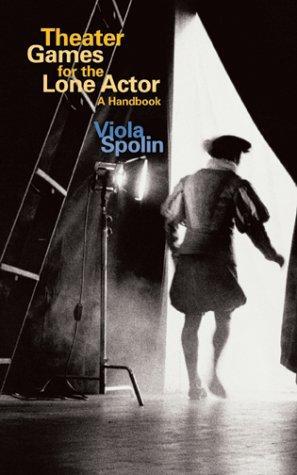
Theater Games for the Lone Actor
Viola Spolin

Semiotics and Pragmatics of Stage Improvisation
Domenico Pietropaolo; Paul Bouissac
Theater Games for Rehearsal
Viola Spolin
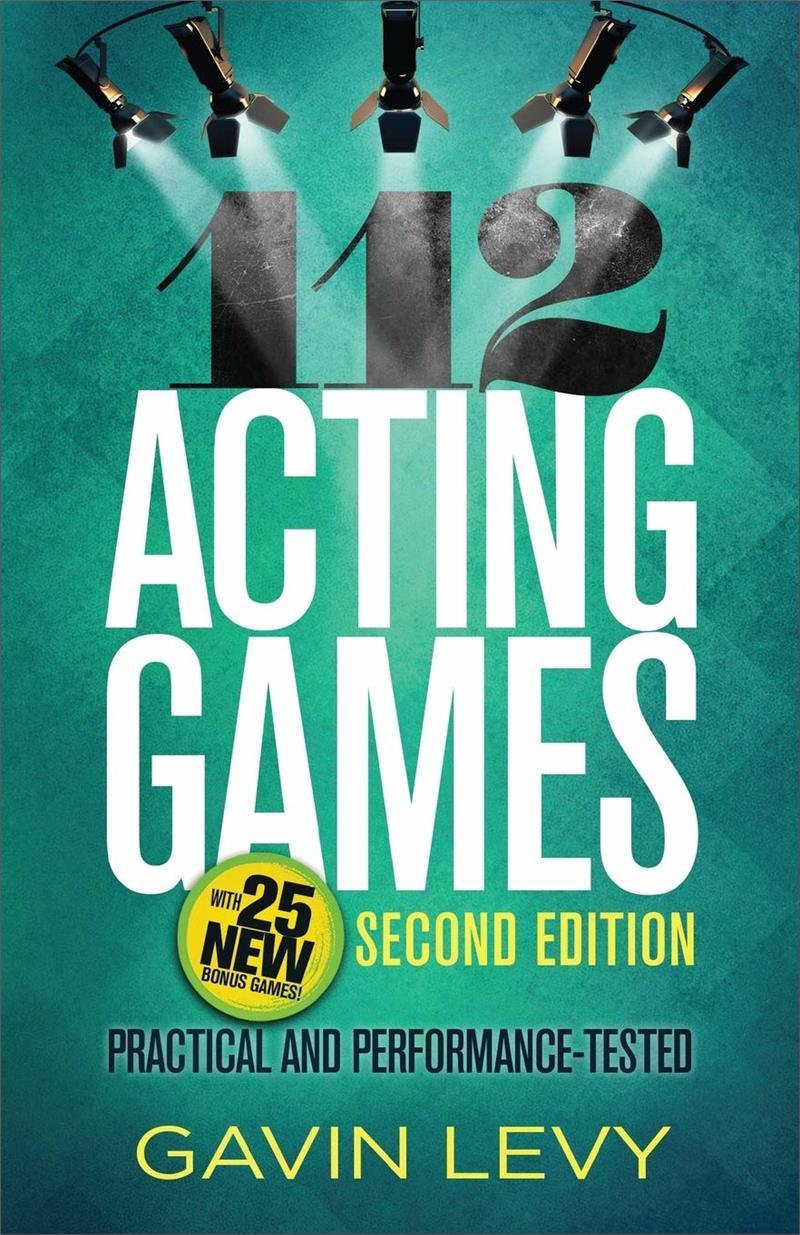
112 Acting Games
Gavin Levy

The Improvisation Game
Discovering the Secrets of Spontaneous Performance
Chris Johnston
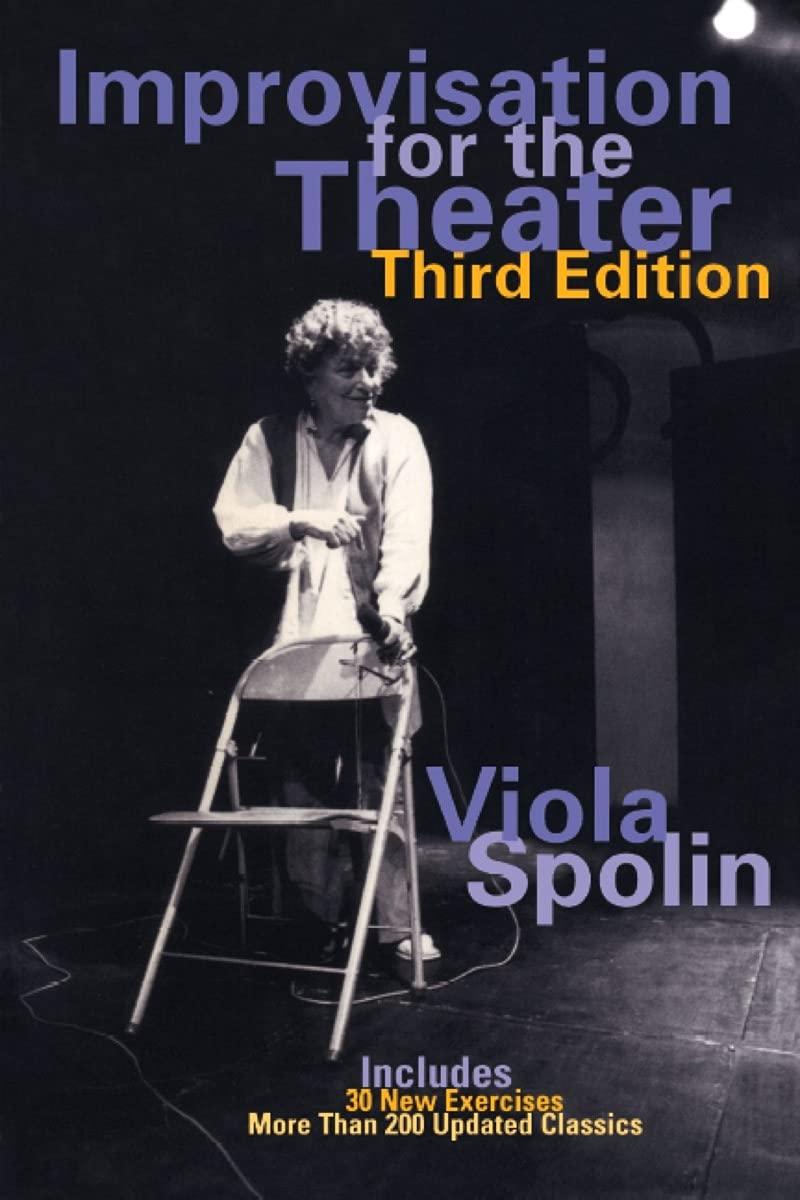
Improvisation for the Theater
A Handbook of Teaching and Directing Techniques
Viola Spolin
Related Games
Deaf Replay
Deaf Replay is a short-form game in which a scene is performed once with full dialogue and sound, then replayed by a different set of performers who watched the original without being able to hear it. The silent observers must reconstruct the scene's action, emotion, and physical activity based on what they could see but not hear, producing a version that may diverge from the original in comic and revealing ways.
Non Sequitor
Non Sequitur is a hybrid game and exercise in which performers deliberately break logical connections between lines of dialogue, forcing each new statement to have no apparent relationship to the one before it. The exercise trains performers to let go of the need to make sense, builds comfort with absurdity, and paradoxically reveals how audiences will construct meaning even from disconnected material.
Narrator
Narrator is a short-form game in which one performer serves as an omniscient narrator who describes and directs the action while other players act out whatever is narrated. The performers must physicalize the narrator's words instantly, even when the descriptions become absurd, contradictory, or physically challenging. The game generates comedy from the tension between what is narrated and what the performers can actually do, and from the narrator's power to control the scene's reality with a single sentence. The game rewards quick physical commitment from the actors and creative, descriptive language from the narrator.
Oracle
Oracle is a short-form game in which one performer plays an all-knowing figure who answers audience questions with improvised wisdom, prophecy, or absurd pronouncements. Supporting performers may embody the oracle's visions or act as attendants and interpreters. The game rewards deadpan authority, pseudo-philosophical rhetoric, and the ability to make any response sound profound regardless of its content.
Helping Hands
Helping Hands is a short-form game in which one performer stands in front of another and extends their arms through the front performer's sleeves or from behind, so that the back performer's hands serve as the front performer's arms. The front performer speaks and reacts while the back performer's hands gesture, handle props, and physically enact whatever the scene requires. The dissonance between speech and gesture -- and the unpredictable behavior of the "helping hands" -- generates the game's comedy.
Subtitles
Subtitles is a short-form game in which two performers play a scene in gibberish or a mock foreign language while two other performers provide simultaneous English translations. Also known as Foreign Film, the game requires translators to derive spoken content from the speakers' physical behavior, emotional tone, and the sounds of the gibberish, producing translations that can interpret, contradict, or editorially comment on what the speakers appear to be saying.
How to Reference This Page
The Improv Archive. (2026). Interpretation for the Deaf. Retrieved September 28, 2026, from https://improvarchive.org/games/interpretation-for-the-deaf
The Improv Archive. "Interpretation for the Deaf." The Improv Archive, 2026. https://improvarchive.org/games/interpretation-for-the-deaf.
The Improv Archive. "Interpretation for the Deaf." The Improv Archive, 2026, https://improvarchive.org/games/interpretation-for-the-deaf. Accessed September 28, 2026.
The Improv Archive is a systemically maintained repository. The archive itself acts as the corporate author.