Love Hearts
Love Hearts is a short-form game in which performers play scenes centered on declarations of affection, romantic overture, or emotional vulnerability -- typically with an audience-assigned relationship, scenario, or emotional constraint that shapes how the love or longing is expressed. The game explores the comedic and dramatic possibilities of performed emotional sincerity and the contrast between what characters feel and the circumstances in which they must express it.
Structure
Setup
The host collects a suggestion: a relationship type, an unusual setting, or an emotional constraint that will frame how the characters interact. Two performers take the stage.
Progression
Performers play a scene in which genuine affection, longing, or emotional vulnerability is the central dynamic. The suggestion shapes the circumstances -- the relationship history, the setting, the obstacle -- but the emotional content of the scene is sincere rather than satirical.
The game may use a format in which performers must declare their feelings explicitly at some point, or may allow the emotional content to emerge through the scene naturally. The host may intervene to raise stakes or introduce complications that require the characters to continue expressing affection through increasingly difficult or absurd circumstances.
Ending
The scene ends at a natural emotional peak -- a declaration, a resolution, or a moment of genuine connection or loss that provides a clear stopping point.
How to Teach It
Objectives
Love Hearts trains performers to sustain sincere emotional content in a scene without deflecting into comedy, and to find the comic or dramatic energy within genuine emotional expression rather than by undercutting it.
How to Explain It
"The game is real. Whatever the setup is, the feelings are real. Don't play it for laughs by being ironic about the emotion -- play the emotion fully and let the situation be funny. The scene is only interesting if we believe that these people actually feel something."
Scaffolding
Begin with straightforward romantic scenarios before introducing unusual or constrained framings. For groups that habitually deflect from emotional sincerity, coach explicitly on staying in the feeling when the impulse to make a joke appears.
Common Pitfalls
Performers often use the unusual or comedic framing of the suggestion as permission to satirize the emotional content rather than playing it genuinely. The game requires performing sincerity within absurdity -- not satirizing the sincerity itself.
How to Perform It
Audience Intro
"We're going to explore what it looks like when two people who have feelings for each other are in a situation that makes it complicated. Tell us -- what's the relationship, and where are they?"
Cast Size
Ideal: 2 performers. Can be played with 3 performers in a triangulated dynamic.
Staging
Intimate staging. Performers in close proximity to each other, positioned to allow genuine eye contact and physical presence rather than playing outward to the audience.
Wrap-Up Logic
End at an emotional moment of completion or genuine shift -- a confession accepted, a realization reached, a departure that feels final. Avoid ending on a joke that deflates the emotional sincerity the game requires.
Worth Reading
See all books →
The Improvisation Game
Discovering the Secrets of Spontaneous Performance
Chris Johnston

Drama Games and Improvs
Games for the Classroom and Beyond
Justine Jones; Mary Ann Kelley

The Young Actor's Book of Improvisation
Dramatic Situations
Sandra Caruso; Susan Kosoff
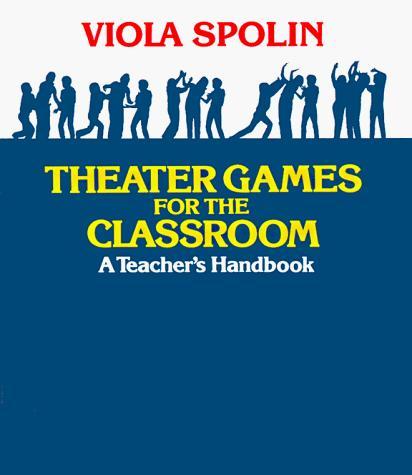
Theater Games for the Classroom
Viola Spolin
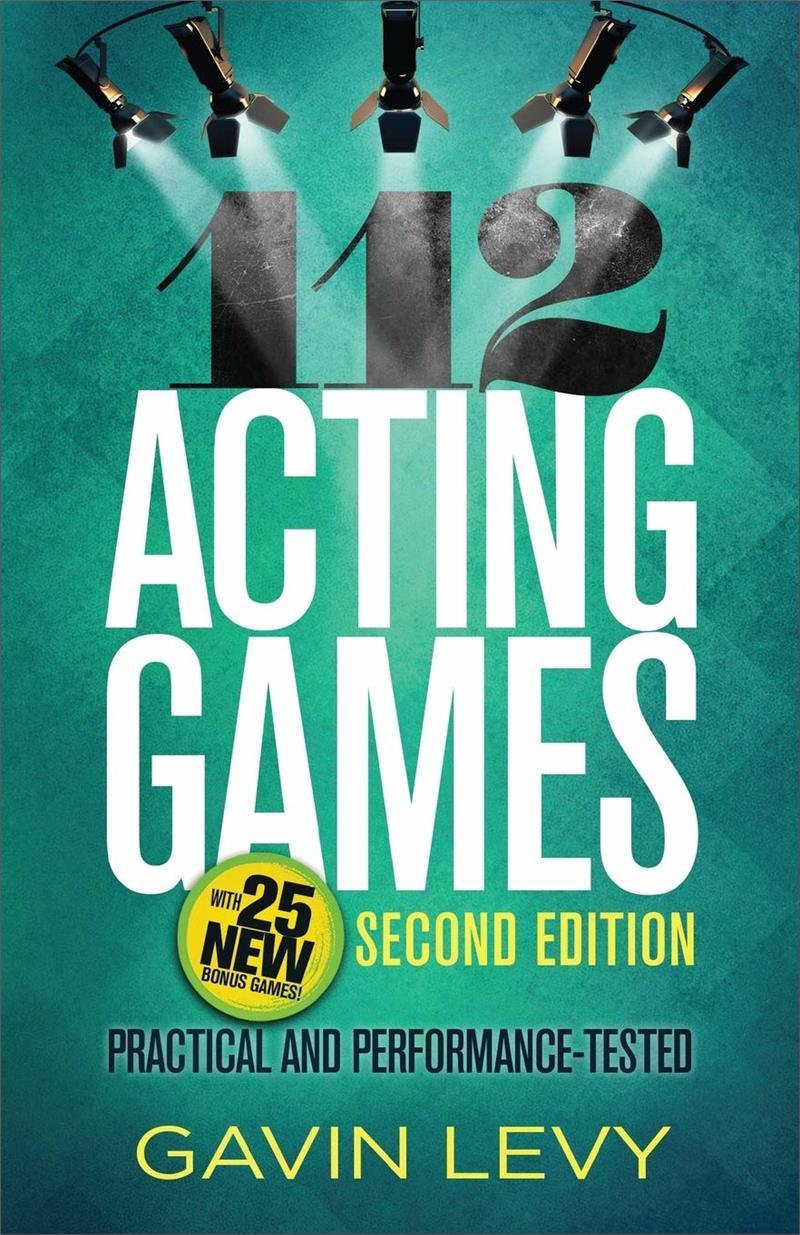
112 Acting Games
Gavin Levy
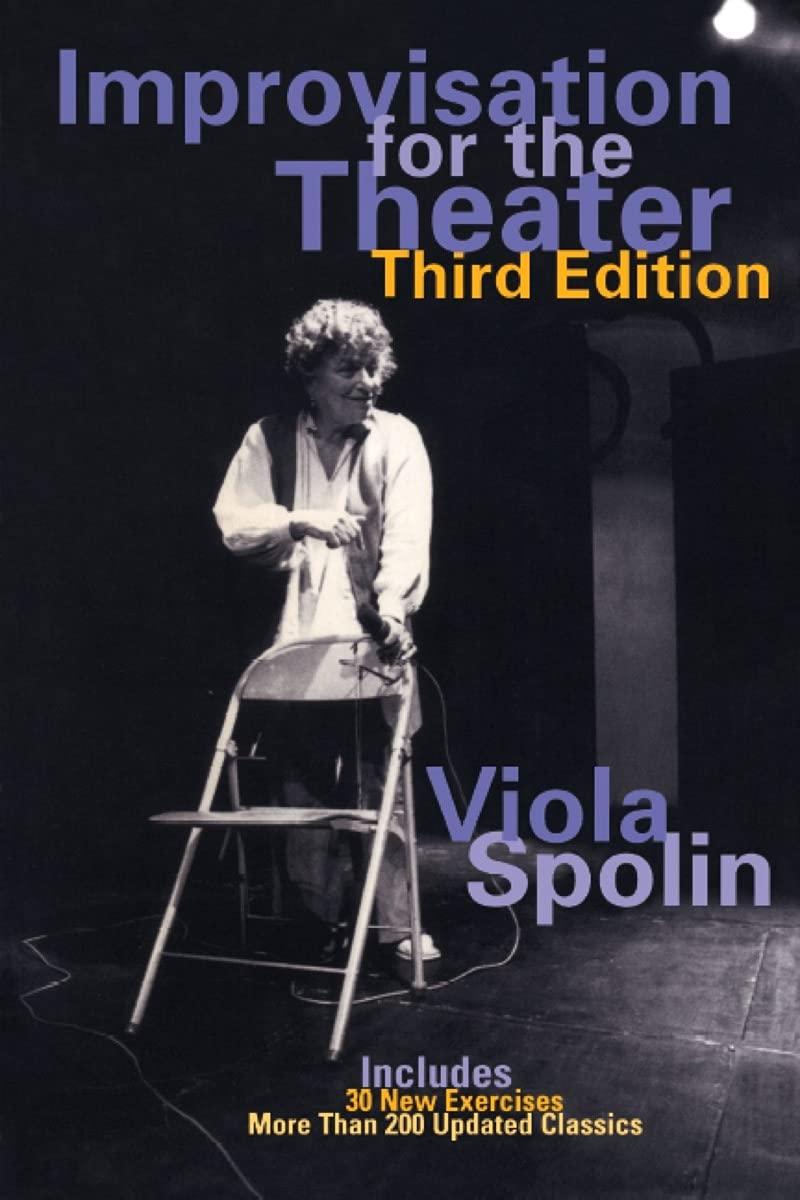
Improvisation for the Theater
A Handbook of Teaching and Directing Techniques
Viola Spolin
Related Games
Continuing Emotions
Continuing Emotions is a scene game in which performers cycle through a series of emotional states at the direction of a caller. Each emotional shift must be justified within the scene's reality rather than simply displayed, with characters finding a reason to feel the new state given what has just happened. The game trains emotional range, commitment, and the ability to sustain scene logic through rapid change.
Cards
Cards is a short-form game in which performers draw playing cards that assign them secret emotions, character traits, or scene constraints they must incorporate into the scene. The random assignment prevents pre-planning and forces genuine in-the-moment adaptation. The game rewards the ability to make any given constraint appear natural.
Chivalrous Couples
Chivalrous Couples is a scene game in which pairs of performers compete to outdo each other in exaggerated courtesy, generosity, or romantic devotion. The escalation of politeness creates comedy as characters sacrifice increasingly absurd things for their partner. The game trains heightening and the art of one-upping with agreement rather than conflict.
Confessions
Confessions is a scene game in which one or more characters reveal secrets, admissions, or hidden truths to another character or directly to the audience. The inherent vulnerability and dramatic stakes of confession provide strong emotional fuel without requiring an external gimmick. The game trains performers in emotional honesty, the ability to let a revelation land with appropriate weight, and the skill of responding authentically to unexpected information. Confessions rewards patience and specificity: the power of a confession comes from the details, not from the volume or melodrama of the delivery.
How to Reference This Page
The Improv Archive. (2026). Love Hearts. Retrieved September 29, 2026, from https://improvarchive.org/games/love-hearts
The Improv Archive. "Love Hearts." The Improv Archive, 2026. https://improvarchive.org/games/love-hearts.
The Improv Archive. "Love Hearts." The Improv Archive, 2026, https://improvarchive.org/games/love-hearts. Accessed September 29, 2026.
The Improv Archive is a systemically maintained repository. The archive itself acts as the corporate author.