Malapropism
Malapropism is a short-form game in which performers play a scene while deliberately substituting incorrect but similar-sounding words for the intended ones. The audience enjoys the comic confusion that results from the mangled language, while the scene partners must stay committed to the reality of the conversation. The game trains verbal dexterity and the ability to maintain scene logic under an absurd constraint.
Worth Reading
See all books →
Theatrical Improvisation
Short Form, Long Form, and Sketch-Based Improv
Jeanne Leep

Drama Games and Improvs
Games for the Classroom and Beyond
Justine Jones; Mary Ann Kelley

Acting Through Improv
Improv Through Theatresports
Lynda Belt; Rebecca Stockley

Group Improvisation
The Manual of Ensemble Improv Games
Peter Campbell Gwinn; Charna Halpern

Improv Ideas
A Book of Games and Lists
Mary Ann Kelley; Justine Jones
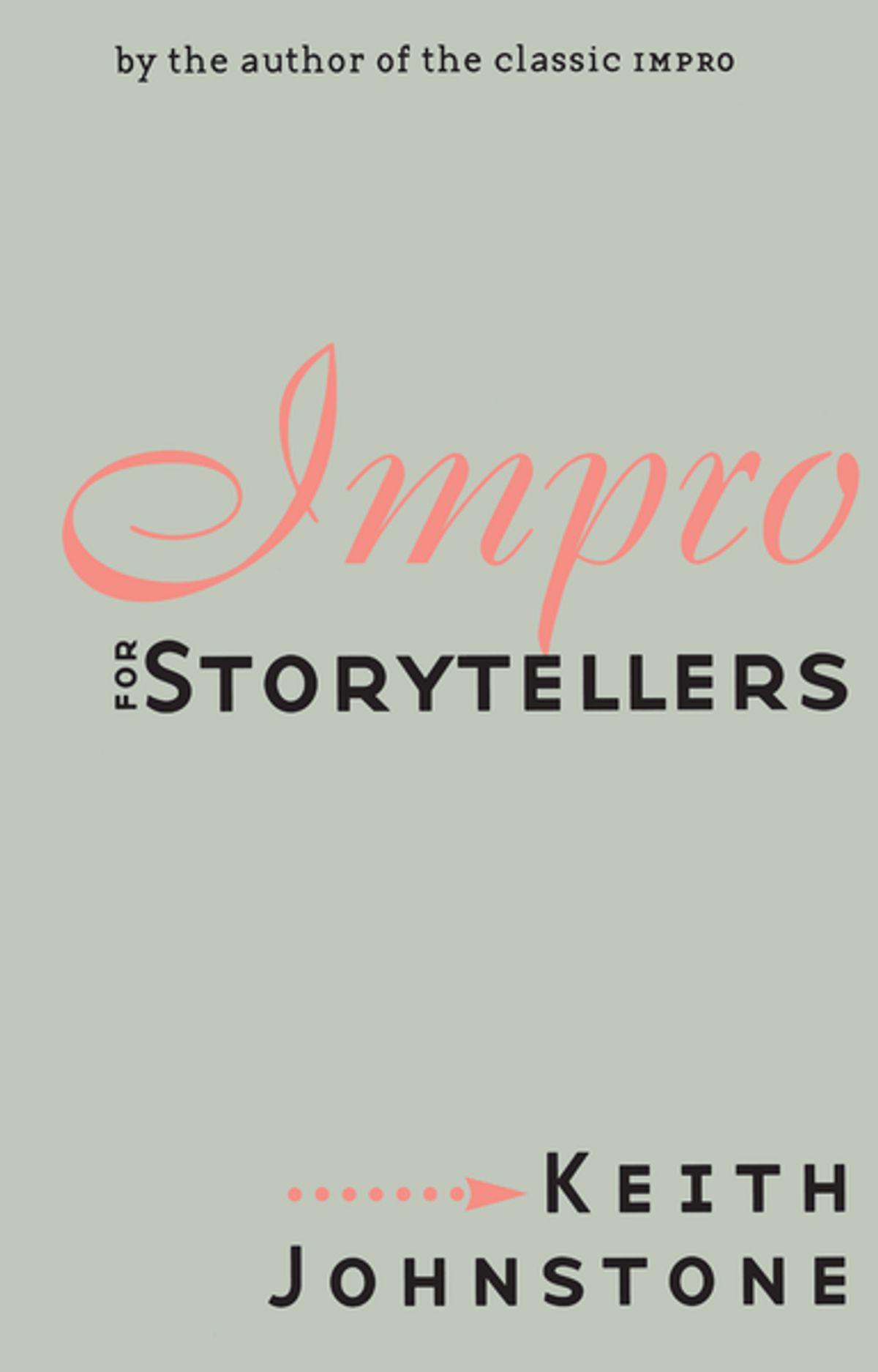
Impro for Storytellers
Keith Johnstone
Related Games
Gibberish Malapropism
Gibberish Malapropism is a scene game in which performers speak mostly in English but periodically substitute gibberish for key nouns or verbs. The audience and scene partners must infer the meaning of each gibberish word from context. The game rewards clear, specific scene-work: the more vividly the scene establishes its world, the more accessible the gibberish substitutions become. It trains contextual specificity and attentiveness in both performers and audience.
Bermuda Triangle
Bermuda Triangle is a short-form scene game that uses character swapping or rotation to create confusion and comic momentum. Players cycle through roles or positions during a scene, forcing rapid adaptation to new relationships and contexts. The game tests memory and the ability to maintain distinct characters through repeated switches.
Spelling Bee
Spelling Bee is a short-form game in which performers participate in a mock spelling bee, but instead of simply spelling words they must perform scenes, songs, or physical demonstrations triggered by each word. The game uses the familiar competition format as a springboard for improvised content and rewards quick creative connections.
Forward/reverse
Forward/Reverse is a short-form game in which a scene plays forward normally until the caller says "reverse," at which point performers rewind their actions and dialogue exactly. Another "forward" call resumes normal play. The game demands precise physical and verbal recall and rewards clear, reproducible choices.
No P
No P is a short-form guessing game in which one performer must communicate an idea, tell a story, or answer questions without using any word that contains the letter P. The audience and host watch for violations, and the comedy arises from the performer's increasingly creative circumlocutions and the sudden, involuntary slips that reveal how deeply embedded common letters are in everyday speech.
Bad Rap
Bad Rap is a short-form performance game in which players deliver improvised rap verses on audience-suggested topics. Performers must maintain rhythm, rhyme, and comedic content simultaneously. The game rewards musical confidence and the ability to construct wordplay under rhythmic pressure.
How to Reference This Page
The Improv Archive. (2026). Malapropism. Retrieved September 28, 2026, from https://improvarchive.org/games/malapropism
The Improv Archive. "Malapropism." The Improv Archive, 2026. https://improvarchive.org/games/malapropism.
The Improv Archive. "Malapropism." The Improv Archive, 2026, https://improvarchive.org/games/malapropism. Accessed September 28, 2026.
The Improv Archive is a systemically maintained repository. The archive itself acts as the corporate author.