Movie Cards
Movie Cards is a short-form game in which performers play a scene in the style of a specific film genre selected from a deck of cards -- or from a set of genre categories called by the audience or host. Each card introduces a new genre frame that immediately transforms the performers' physical, vocal, and emotional register. The game tests performers' genre fluency and their ability to transform the same or similar scene material through radically different cinematic conventions.
Structure
Setup
A deck of cards representing different film genres is prepared, or the host draws genre suggestions from the audience. Performers receive a scene suggestion to establish the basic content before genre cards are drawn.
Progression
The first genre card is drawn and announced. Performers immediately play the established scene content in that genre's register -- embodying its characteristic pacing, emotional tone, physical language, and dramatic or comedic conventions.
After thirty seconds to two minutes, another card is drawn and a new genre is announced. Performers transform immediately into the new genre while maintaining scene continuity.
Ending
The game ends after three to five genre cards have been played, or when the host determines the ensemble has demonstrated a satisfying range of stylistic transformation.
How to Teach It
Objectives
Movie Cards trains genre fluency and the speed and completeness of stylistic transformation. It develops the performer's ability to read a genre's conventions rapidly and translate them into specific physical, vocal, and behavioral choices.
How to Explain It
"When the card comes up, you have about half a second. The genre is the instruction -- what does your body do in a western? In a horror film? In a romantic comedy? Know those answers in your body, not just in your head."
Scaffolding
Practice individual genre embodiments in isolation before combining them in the game. The quality of the transformations depends entirely on the specificity of each genre's physical and vocal signature.
Common Pitfalls
Performers sometimes shift the narrative framing of the genre without transforming the physical and emotional register, producing a scene that is about a genre rather than fully inside it. Coach performers to change how the characters experience their world -- not just how they describe it.
How to Perform It
Audience Intro
"Our performers are going to play a scene for you, but the genre is going to keep changing. We have a deck of movie genres, and whatever comes up, they have to play it -- right now, in that style. Let's see what they get."
Cast Size
Ideal: 3 to 5 performers.
Staging
Open stage. Genre shifts are immediate; performers must be positioned to transform without spatial negotiation. The host or card-reader stands at the side with a clearly visible role.
Wrap-Up Logic
End after a genre that has produced a particularly strong ensemble moment or a clear high point. Avoid drawing so many cards that the game loses momentum.
Worth Reading
See all books →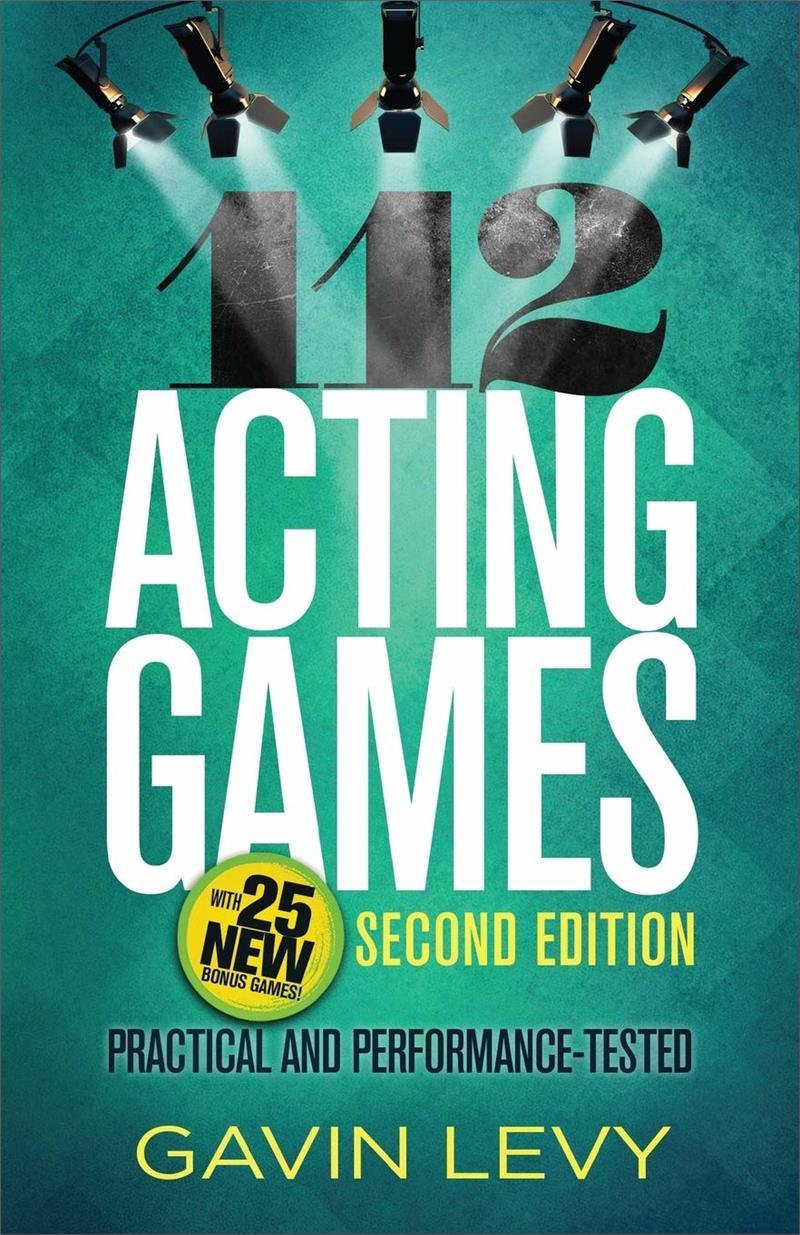
112 Acting Games
Gavin Levy
Theater Games for Rehearsal
Viola Spolin

Drama Games and Improvs
Games for the Classroom and Beyond
Justine Jones; Mary Ann Kelley
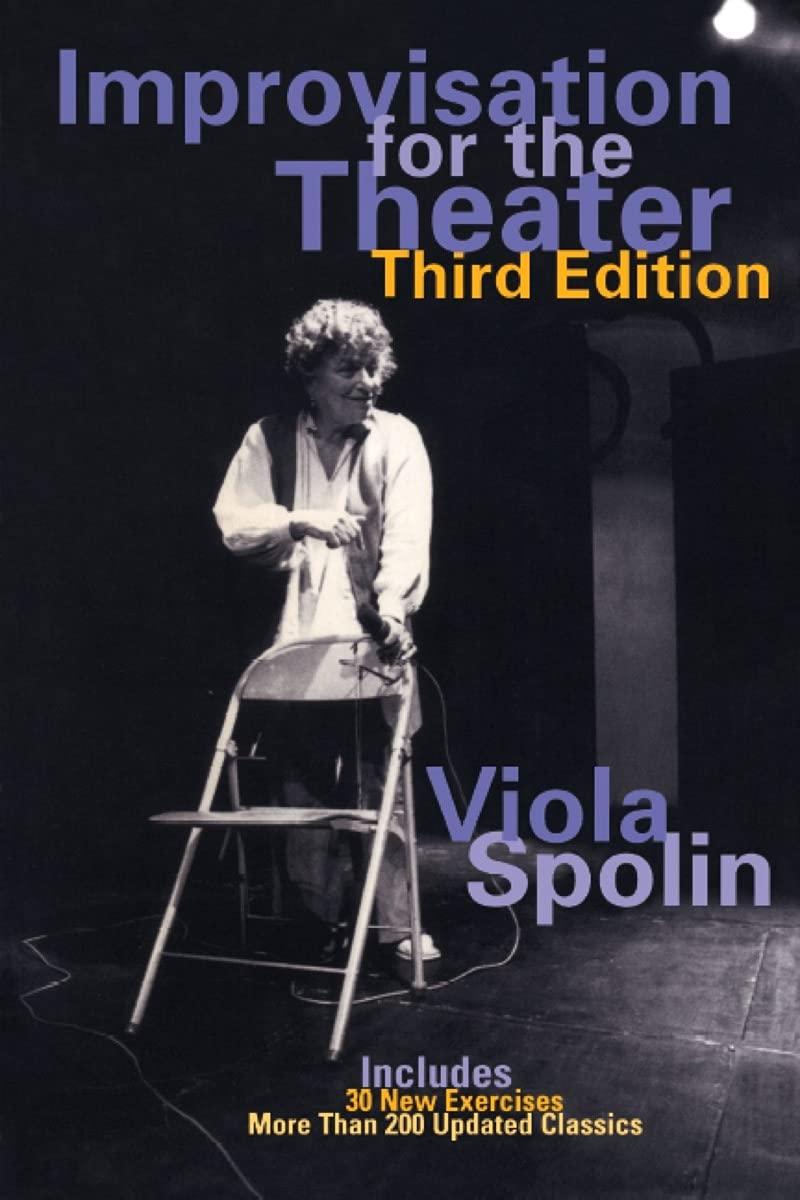
Improvisation for the Theater
A Handbook of Teaching and Directing Techniques
Viola Spolin
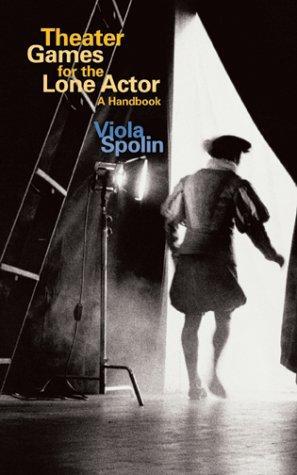
Theater Games for the Lone Actor
Viola Spolin
Impro for Storytellers
Keith Johnstone
Related Games
Cards
Cards is a short-form game in which performers draw playing cards that assign them secret emotions, character traits, or scene constraints they must incorporate into the scene. The random assignment prevents pre-planning and forces genuine in-the-moment adaptation. The game rewards the ability to make any given constraint appear natural.
At the Movies
At the Movies is a short-form game that combines improvised film scenes with live critic commentary. A group of performers acts out scenes from a fictitious film in a genre suggested by the audience, while one or two other performers sit to the side and provide running commentary in the style of television film critics. The dual performance layers create comedy through the contrast between the earnest scene work and the editorial framing. The critics may praise, pan, analyze, or argue about the film as it unfolds, adding a meta-theatrical dimension that audiences enjoy. The game rewards strong genre awareness, character commitment from the scene players, and quick wit from the critics.
My Movie My Movie My Movie
My Movie, My Movie, My Movie is a short-form game in which each performer simultaneously insists that the current scene is a scene from their specific movie -- narrating it, casting it, and interpreting every development through the lens of their own creative vision. The game creates comic friction from the collision of multiple incompatible narrative claims, each performer trying to make the same moment fit their entirely different film.
Style Replay
Style Replay is a short-form game in which a scene is performed once, then replayed in a series of audience-suggested styles, genres, or performance traditions. Each replay transforms the same basic content through a completely different theatrical or cinematic lens.
Movie Director Interview
Movie Director Interview is a short-form game in which a performer plays a flamboyant, self-important, or idiosyncratic film director being interviewed about their latest project -- a project whose details are invented in real time, shaped by audience suggestions and the director's escalating creative claims. The game rewards confident, specific, absurdist invention delivered with the total conviction of an artist who believes every word they are saying.
Dubbed Movie
Dubbed Movie is a scene game in which one set of performers provides the physical action while a separate group supplies all voices from offstage or from the side. The disconnect between bodies and voices generates comedy through mismatched timing, unexpected interpretations, and the challenge of physical performers having to commit fully to words they cannot predict. The game trains both physical storytelling and vocal responsiveness.
How to Reference This Page
The Improv Archive. (2026). Movie Cards. Retrieved October 15, 2026, from https://improvarchive.org/games/movie-cards
The Improv Archive. "Movie Cards." The Improv Archive, 2026. https://improvarchive.org/games/movie-cards.
The Improv Archive. "Movie Cards." The Improv Archive, 2026, https://improvarchive.org/games/movie-cards. Accessed October 15, 2026.
The Improv Archive is a systemically maintained repository. The archive itself acts as the corporate author.