Netflix & Chill
Netflix and Chill is a short-form game in which two performers play a scene set in the domestic context of watching a film or television program together, while the underlying tension of the scene is the gap between what the characters say they are doing and what they actually want. The game mines the rich comedic territory of subtext, awkward social negotiation, and the small rituals of informal intimacy.
Structure
Setup
Two performers take the stage. The host gets a suggestion of a specific film or television show from the audience, which establishes the fictional viewing content. The performers establish a domestic setting -- a couch, a living room -- and begin the scene.
Progression
The performers play two characters who are ostensibly watching the suggested show together. The scene runs as a realistic domestic interaction: commentary on the show, snack sharing, control of the remote, physical proximity. However, the real drama of the scene is the subtext -- what each character actually wants from this social arrangement, and the hesitant, indirect negotiation between them.
The comedic engine is the contrast between the mundane surface activity (watching TV) and the charged interpersonal dynamic underneath. Performers play the subtext through behavior, proximity, hesitation, and the weight they give to small physical choices, rather than stating it directly.
Ending
The scene ends when the subtext resolves -- through a confession, an action, a shared moment, or a comedic escalation that breaks the surface tension -- or when the host calls the scene after two to three minutes.
How to Teach It
Objectives
Netflix and Chill trains subtext -- the ability to play what a character wants without stating it directly -- and develops physical specificity in scenic work. The domestic setting provides a clear shared context that lets performers focus on interpersonal dynamics rather than establishing location.
How to Explain It
"Play two people watching a show. But the real scene is what's happening between them, not on the screen. Let the show be real -- have opinions about it -- but let us feel what each of you actually wants from this situation."
Scaffolding
The game works best when performers commit to the surface activity genuinely rather than treating it as an excuse to play relationship. Coach them to have real reactions to the fictional show, which grounds the scene and makes the subtext more readable by contrast. Advanced performers can play the game with more explicit comedic stakes -- a character who is completely oblivious to the other's subtext, or competing subtexts that work at cross-purposes.
Common Pitfalls
Performers sometimes let the scene become purely about the fictional show, losing the interpersonal tension that gives the game its comedic engine. Alternatively, they sometimes drop the surface activity entirely and play the subtext directly, which removes the contrast. The comedy lives in the gap between what is said and what is meant -- both layers must stay active.
How to Perform It
Audience Intro
"Two of our performers are hanging out. They said they were going to watch [show]. We'll see how much of it they actually watch."
Cast Size
Ideal: 2 performers.
Staging
Two chairs or a simulated couch facing slightly forward so the audience can read both performers' faces. Physical proximity and the small adjustments performers make -- moving closer, pulling back, reaching for the same object -- carry much of the scene's comedy and tension.
Wrap-Up Logic
End when the subtext resolves clearly or when the scene has built to a satisfying comedic moment. Two to three minutes is typically sufficient to establish and pay off the dynamic.
Worth Reading
See all books →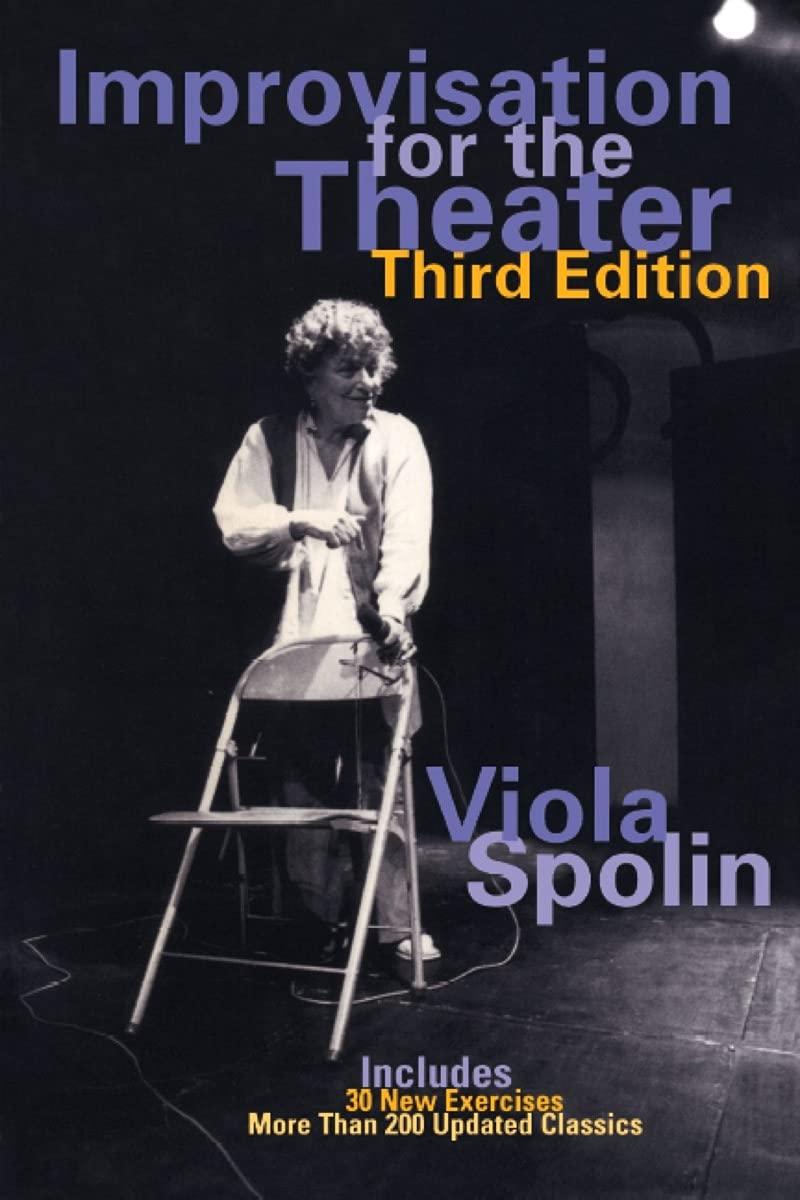
Improvisation for the Theater
A Handbook of Teaching and Directing Techniques
Viola Spolin

Acting Through Improv
Improv Through Theatresports
Lynda Belt; Rebecca Stockley
Theater Games for Rehearsal
Viola Spolin
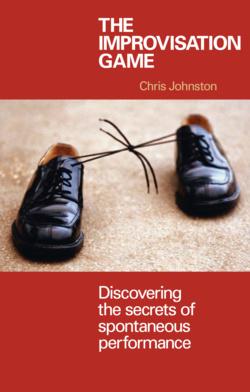
The Improvisation Game
Discovering the Secrets of Spontaneous Performance
Chris Johnston
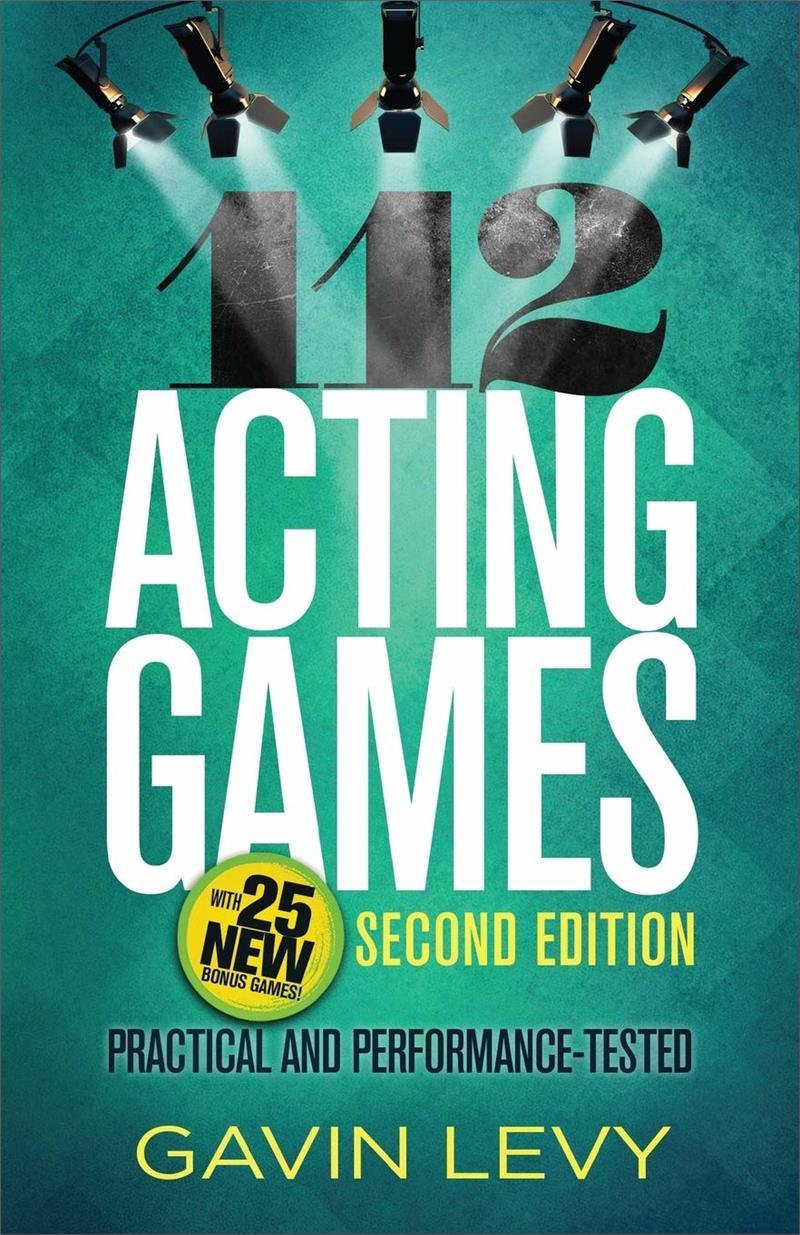
112 Acting Games
Gavin Levy

Theatrical Improvisation, Consciousness, and Cognition
Clayton D. Drinko
Related Games
3 Series
3 Series is a short-form game in which three unrelated scenes run simultaneously. The host or caller switches between the scenes, and performers must pick up each thread exactly where it left off. The game tests memory, commitment, and the ability to sustain multiple narratives at once.
Family Dinner
Family Dinner is a scene game set at a family meal, where long-standing tensions, secrets, and dynamics surface over the course of the gathering. The familiar domestic setting provides rich terrain for character work and relationship play. Every audience member has experienced a family meal, making the scenario immediately relatable. The game rewards specificity in family dynamics, the ability to build shared history between characters, and the patience to let subtext simmer before boiling over.
Remote Control
Remote Control is a short-form game in which a host or audience member operates an imaginary television remote control, switching between channels that each feature a different improvised scene, genre, or show. Performers snap instantly into their assigned channel's content wherever it left off when the channel was last visited. The game rewards rapid context-switching, scene memory, and the ability to inhabit distinct styles and genres on demand.
Id
Id is a scene game in which a performer's unfiltered subconscious desires are voiced by a second player, creating a running commentary of primal wants beneath the surface dialogue. The tension between polite conversation and raw impulse generates comedy and dramatic irony. The game highlights the gap between social behavior and inner life.
Last Letter Scene
Last Letter Scene is a hybrid game and exercise in which each line of dialogue must begin with the last letter of the previous line. The constraint forces performers to listen with acute precision -- not to the general content of what is said but to the exact final sound of each utterance -- while maintaining scene coherence, character, and forward momentum simultaneously.
How to Reference This Page
The Improv Archive. (2026). Netflix & Chill. Retrieved September 29, 2026, from https://improvarchive.org/games/netflix-chill
The Improv Archive. "Netflix & Chill." The Improv Archive, 2026. https://improvarchive.org/games/netflix-chill.
The Improv Archive. "Netflix & Chill." The Improv Archive, 2026, https://improvarchive.org/games/netflix-chill. Accessed September 29, 2026.
The Improv Archive is a systemically maintained repository. The archive itself acts as the corporate author.