Rant
Rant is a monologue game in which a performer delivers a passionate, escalating tirade on an audience-suggested topic. The rant must build in intensity and specificity without losing coherence. The game rewards vocal commitment, comedic exaggeration, and the ability to find a genuine emotional core within an absurd complaint.
Structure
Setup
- One performer receives an audience suggestion: a topic, object, or grievance to rant about.
- The performer delivers a passionate, escalating monologue on the topic without preparation.
- The monologue must build: it should begin with a complaint and intensify toward genuine outrage or absurd extremity.
The Arc of a Rant
- Opening: establish the complaint with specific, grounded frustration. "I have a problem with [X]."
- Escalation: the complaint generates further grievances, each building on the last. Specificity is the fuel.
- Peak: the rant arrives at a moment of maximum intensity, where the performer commits fully to the emotional position.
- Button: the rant ends on a clear, often absurd, landing point.
What Makes a Rant Work
- Specificity is everything. A rant about "people who are inconsiderate" is weak. A rant about a specific behavior in a specific location at a specific time of day is strong.
- The performer must find a genuine emotional truth within the absurdity, even if the topic is trivial.
- Escalation requires that each point be more extreme than the last, moving from mild irritation toward something approaching madness.
Variations
- Multiple performers rant simultaneously on related topics and converge or contrast.
- The audience provides a new escalating element each time the host signals, forcing the performer to incorporate it.
How to Teach It
How to Explain It
"You are going to rant about [topic]. Not for thirty seconds. For the full duration, and you are going to get more and more passionate about it. Start with a specific complaint. Build to outrage. Land it somewhere clear. Go."
Common Notes
- The first instinct is usually to be funny immediately. Coach performers to find the genuine irritation before the comedy. Rants that are sincere at their core are more satisfying than pure jokes.
- Escalation must be real: each new addition to the rant must feel more extreme than what came before. Performers who plateau early have nowhere to go.
- Short, sharp sentences land harder than long, complex ones during a rant. The rhythm matters as much as the content.
Common Pitfalls
- The rant never escalates. The performer delivers a list of complaints at the same level of intensity throughout.
- Specificity collapses: the performer retreats from specific examples to general statements as the rant continues. The direction should be the reverse.
- The rant has no button. Without a clear landing, the host must awkwardly signal the end, and the momentum dissipates.
How to Perform It
Audience Intro
"We need a topic for [name] to rant about. Something they have very strong feelings about. [Take suggestion.] [Name], you have [time]. Rant about [topic]. Go."
Cast Size
- Ideal: One performer plus a host.
- Multiple-performer rant formats work well in ensemble shows.
Staging
- The ranting performer stands center stage with full freedom of movement.
- No other performers are needed on stage during the rant.
Wrap Logic
- The host signals the end when the performer has reached a clear peak or when the time allotted has elapsed.
- Allow the performer to land a button before cutting if one appears imminent.
Worth Reading
See all books →
Drama Games and Improvs
Games for the Classroom and Beyond
Justine Jones; Mary Ann Kelley

Something from Nothing
The Technique of Improvisation
Richard Goteri
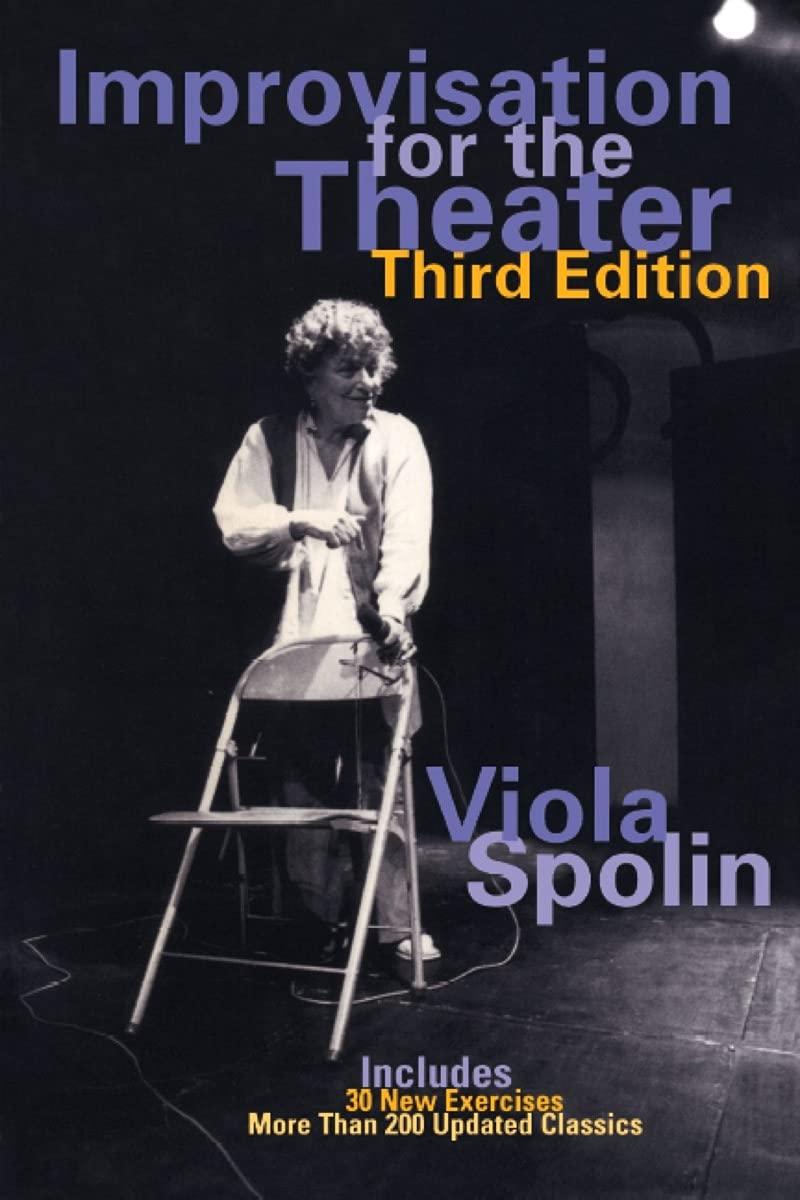
Improvisation for the Theater
A Handbook of Teaching and Directing Techniques
Viola Spolin

The Improv Handbook
The Ultimate Guide to Improvising in Comedy, Theatre, and Beyond
Tom Salinsky; Deborah Frances-White

The Ultimate Improv Book
A Complete Guide to Comedy Improvisation
Edward J. Nevraumont; Kurt Smeaton; Nicholas P. Hanson
The Improvisation Game
Discovering the Secrets of Spontaneous Performance
Chris Johnston
Related Games
Complaints Department
Complaints Department is a scene game in which one performer staffs a customer service desk while others present increasingly unusual, impossible, or escalating grievances. The desk representative must take each complaint seriously, respond with bureaucratic procedure, and attempt to resolve or acknowledge each case, while the complaints become progressively more surreal.
Nuclear Bomb Chicken
Nuclear Bomb Chicken is a short-form game in which two performers play a scene with escalating stakes, each daring the other to back down from an increasingly absurd or dangerous commitment. The game functions like a comedic game of chicken: both performers raise the stakes higher and higher until one breaks, creating a climactic moment of surrender or mutual destruction.
Complaint Letter
Complaint Letter is a short-form game in which a performer delivers an increasingly overwrought letter of complaint, often composed from audience suggestions. The letter escalates in specificity, emotional intensity, and absurdity as it progresses, culminating in an outrageous demand. Supporting performers may act out the events described or respond as arbiters of the grievance.
Continuing Emotions
Continuing Emotions is a scene game in which performers cycle through a series of emotional states at the direction of a caller. Each emotional shift must be justified within the scene's reality rather than simply displayed, with characters finding a reason to feel the new state given what has just happened. The game trains emotional range, commitment, and the ability to sustain scene logic through rapid change.
Id
Id is a scene game in which a performer's unfiltered subconscious desires are voiced by a second player, creating a running commentary of primal wants beneath the surface dialogue. The tension between polite conversation and raw impulse generates comedy and dramatic irony. The game highlights the gap between social behavior and inner life.
How to Reference This Page
The Improv Archive. (2026). Rant. Retrieved September 28, 2026, from https://improvarchive.org/games/rant
The Improv Archive. "Rant." The Improv Archive, 2026. https://improvarchive.org/games/rant.
The Improv Archive. "Rant." The Improv Archive, 2026, https://improvarchive.org/games/rant. Accessed September 28, 2026.
The Improv Archive is a systemically maintained repository. The archive itself acts as the corporate author.