Complaint Letter
Complaint Letter is a short-form game in which a performer delivers an increasingly overwrought letter of complaint, often composed from audience suggestions. The letter escalates in specificity, emotional intensity, and absurdity as it progresses, culminating in an outrageous demand. Supporting performers may act out the events described or respond as arbiters of the grievance.
Structure
Setup
The host collects a subject from the audience: a place, an object, an institution, or an abstract category ("squirrels," "the postal system," "your childhood dentist"). One performer steps forward as the letter writer.
The Letter
The performer begins composing and delivering the complaint letter in real time, addressed to the subject. The letter opens in formally polite register ("Dear [subject], I am writing to express my profound disappointment...") and escalates through increasingly specific grievances. Each grievance is more precise, more emotionally sincere, and more absurd than the last. The performer concludes with an outrageous demand or proposed resolution.
Support Options
Other performers may play characters mentioned in the letter, act out the events being described in real time as the letter writer narrates them, or sit as a panel of grievance arbiters responding to each complaint. These support roles are optional and should be established before the game begins.
Conclusion
The host wraps when the letter reaches a clear culminating absurdity or a satisfying final demand.
How to Teach It
Objectives
Complaint Letter targets specificity, escalation, and the ability to build a sustained comedic arc through committed emotional sincerity. It trains performers to find concrete detail quickly and to maintain a consistent character voice while escalating.
How to Explain It
"You've been wronged by [subject]. Write them a strongly worded letter. Start formal and polite. Get increasingly specific about exactly what they did and why it was unforgivable. Build to a demand. The more sincere you are about the outrage, the funnier it is."
Common Pitfalls
The most common drift is performers staying at a generic level: "You have disappointed me greatly" applies to anything and generates nothing. The game lives in specificity: "The third squirrel from the left on the northwest corner of the park bench knocked my croissant directly into a puddle with what I can only describe as deliberate intent." Sidocoach: "What specifically did they do? Be precise about the exact moment." A second pitfall is performers who comment on the absurdity rather than inhabiting the sincerity; the letter writer must genuinely believe every word.
How to Perform It
Audience Intro
"We need something you could theoretically write a strongly worded letter to. What should our performer complain about tonight?"
Cast Size
One primary performer as the letter writer. Two to four supporting performers in any combination of the support roles described above.
Staging
The letter writer stands at center. Supporting performers stand to the side or behind, moving into play when the letter references them or when they see an opportunity to heighten a grievance.
Pacing
The game requires escalation. A letter that stays at the same emotional register throughout loses momentum. The best performances treat the letter as a musical structure: each verse escalates, the chorus lands a clear comedic beat, and the finale lands the biggest absurdity.
Wrap Logic
The host watches for the letter to land a clear peak moment -- the grievance that gets the biggest response -- and wraps immediately after, before the next escalation. Ending on the peak is consistently stronger than continuing past it.
Worth Reading
See all books →
The Upright Citizens Brigade Comedy Improvisation Manual
Matt Besser; Ian Roberts; Matt Walsh
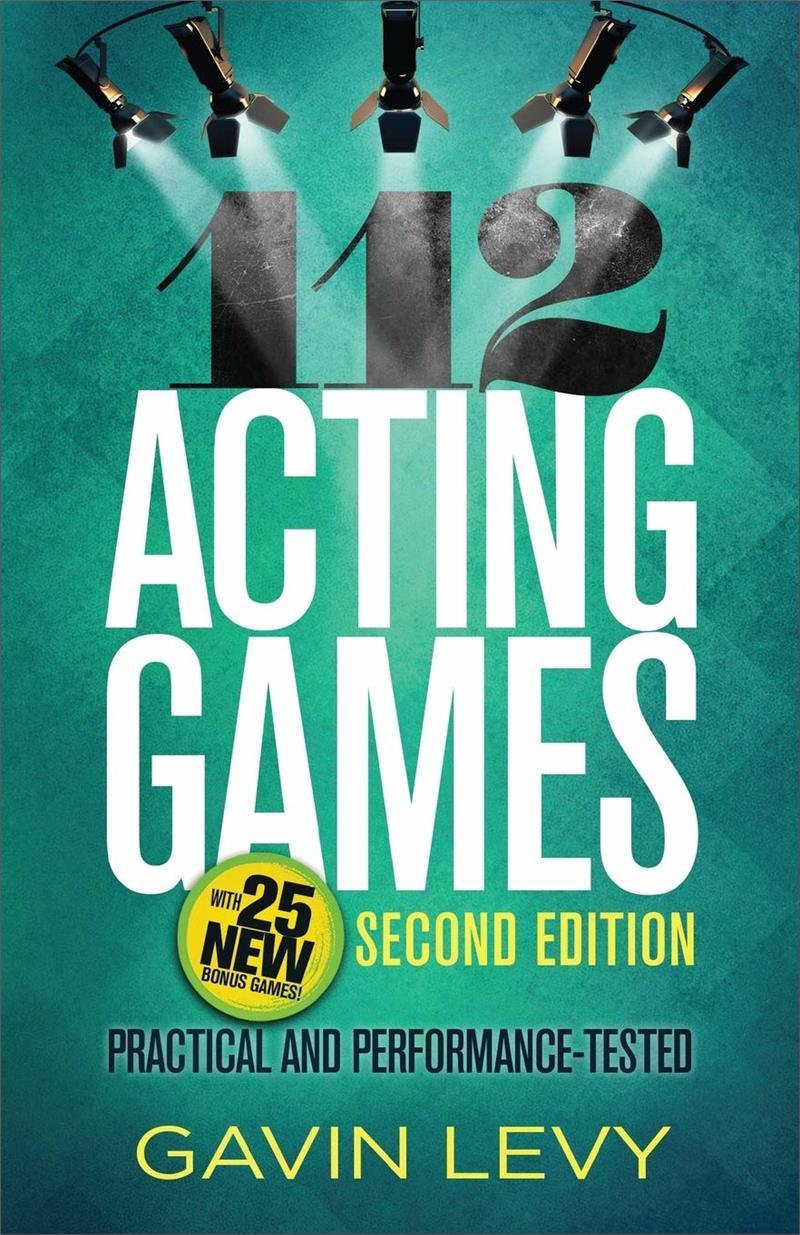
112 Acting Games
Gavin Levy

Something from Nothing
The Technique of Improvisation
Richard Goteri
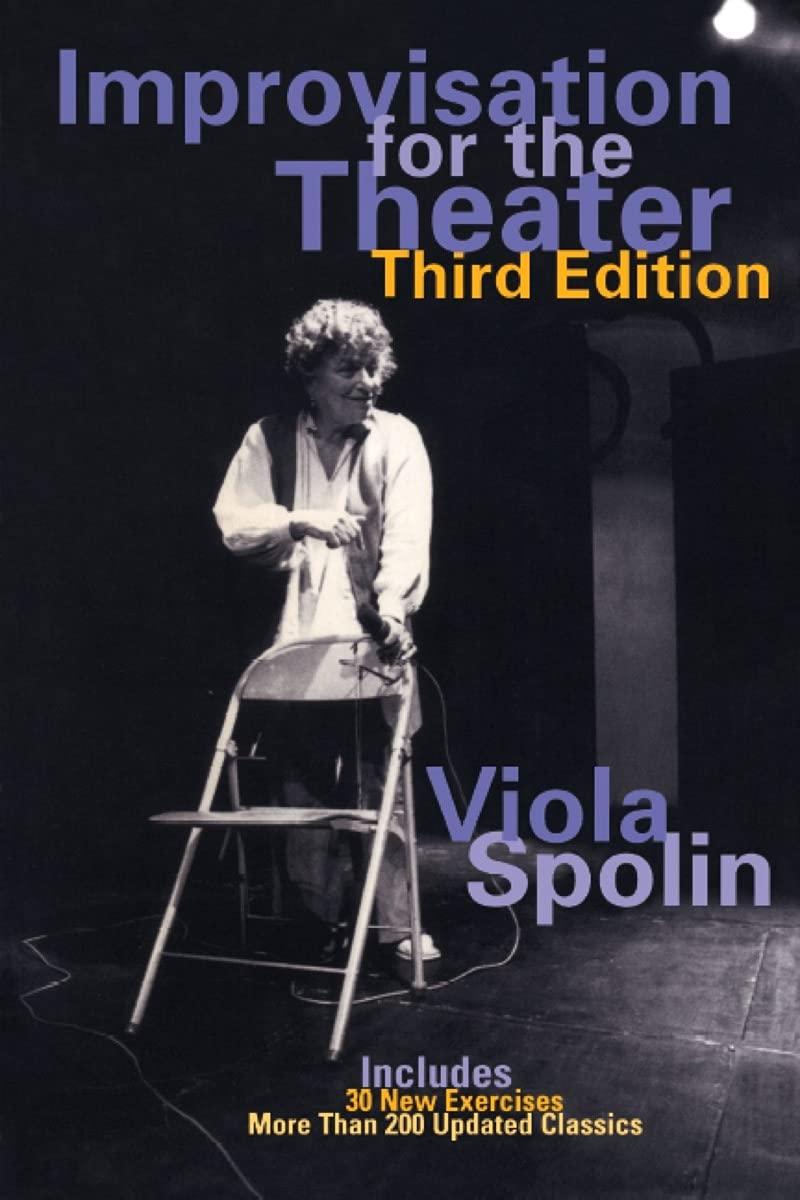
Improvisation for the Theater
A Handbook of Teaching and Directing Techniques
Viola Spolin

Improvisation for Actors and Writers
A Guidebook for Improv Lessons in Comedy
Bill Lynn
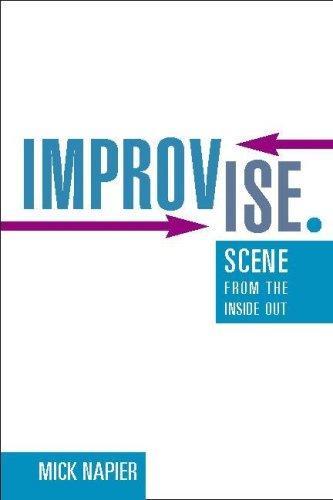
Improvise
Scene from the Inside Out
Mick Napier
Related Games
Complaints Department
Complaints Department is a scene game in which one performer staffs a customer service desk while others present increasingly unusual, impossible, or escalating grievances. The desk representative must take each complaint seriously, respond with bureaucratic procedure, and attempt to resolve or acknowledge each case, while the complaints become progressively more surreal.
Rant
Rant is a monologue game in which a performer delivers a passionate, escalating tirade on an audience-suggested topic. The rant must build in intensity and specificity without losing coherence. The game rewards vocal commitment, comedic exaggeration, and the ability to find a genuine emotional core within an absurd complaint.
Last Letter Scene
Last Letter Scene is a hybrid game and exercise in which each line of dialogue must begin with the last letter of the previous line. The constraint forces performers to listen with acute precision -- not to the general content of what is said but to the exact final sound of each utterance -- while maintaining scene coherence, character, and forward momentum simultaneously.
Word at a Time Letter
Word at a Time Letter is a word-at-a-time exercise and performance game in which two or more performers compose a letter to a real or fictional recipient one word at a time, navigating the constraints of epistolary form, shared authorship, and the unpredictability of collaborative sentence construction.
How to Reference This Page
The Improv Archive. (2026). Complaint Letter. Retrieved September 28, 2026, from https://improvarchive.org/games/complaint-letter
The Improv Archive. "Complaint Letter." The Improv Archive, 2026. https://improvarchive.org/games/complaint-letter.
The Improv Archive. "Complaint Letter." The Improv Archive, 2026, https://improvarchive.org/games/complaint-letter. Accessed September 28, 2026.
The Improv Archive is a systemically maintained repository. The archive itself acts as the corporate author.