Rebel Without a Clue
Rebel Without a Clue is a guessing game in which one performer must figure out their secretly assigned rebellious cause, crime, or antisocial behavior by interpreting the reactions and clues of their scene partners. The other performers know the secret and play characters who respond to the rebel with varying degrees of shock, admiration, or disgust.
Structure
Setup
One performer leaves the room or puts on headphones. The audience suggests a rebellious act, a crime, or a ridiculous cause the rebel is known for: they painted the town hall purple, they refuse to eat anything round, they stole every left shoe in the neighborhood. The remaining performers are briefed on the secret.
Progression
The rebel returns and enters a scene. The other performers play characters who know about the rebel's notorious behavior and react accordingly, dropping hints through their emotional responses, questions, and references without stating the secret directly.
A performer might say, "I cannot believe you had the nerve to show your face here after what you did at the town hall." The rebel must interpret these reactions, ask questions, and piece together the secret through the conversation.
The game builds energy as the rebel gets closer to the answer. The audience enjoys watching the guessing process and the increasingly transparent hints. When the rebel correctly identifies the secret, the scene reaches its climax.
Variations
A double version has two rebels who must figure out each other's secrets while interacting. A progressive version gives the rebel three secrets of increasing difficulty to solve across three scenes. An endowment version has the other performers physically demonstrate the rebel's behavior through mime rather than verbal hints.
How to Teach It
Objectives
Rebel Without a Clue develops active listening, inference skills, and the ability to read subtext. The guesser practices interpreting indirect communication. The hint-givers practice conveying meaning through implication rather than statement.
How to Explain It
"You are a notorious rebel. You do not remember what you did, but everyone else does. They are going to react to you based on your secret crime. Figure out what you did by paying attention to how people treat you."
Scaffolding
Begin with broad, easily hintable secrets before moving to more specific or abstract ones. Coach the hint-giving performers on a gradient from emotional reaction to physical suggestion to verbal reference. The guesser should stay in character throughout rather than stepping out to guess.
Common Pitfalls
The most common error is hint-givers who make the secret too obvious too quickly, robbing the game of its tension. Remind them that the fun is in the journey, not the answer.
A second issue is the rebel who guesses wildly rather than building logically from the clues. Coach them to use what they have learned so far as a foundation for each new question.
How to Perform It
The scene partners must calibrate their hints carefully. Too obvious and the game ends too quickly. Too subtle and the rebel struggles without progress. The best approach is to start with emotional reactions and gradually move toward more specific references. The rebel should ask open-ended questions rather than direct guesses, keeping the scene alive while gathering information. When the rebel guesses correctly, the moment should feel like a dramatic revelation, not a casual answer.
Worth Reading
See all books →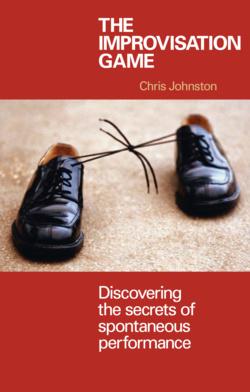
The Improvisation Game
Discovering the Secrets of Spontaneous Performance
Chris Johnston
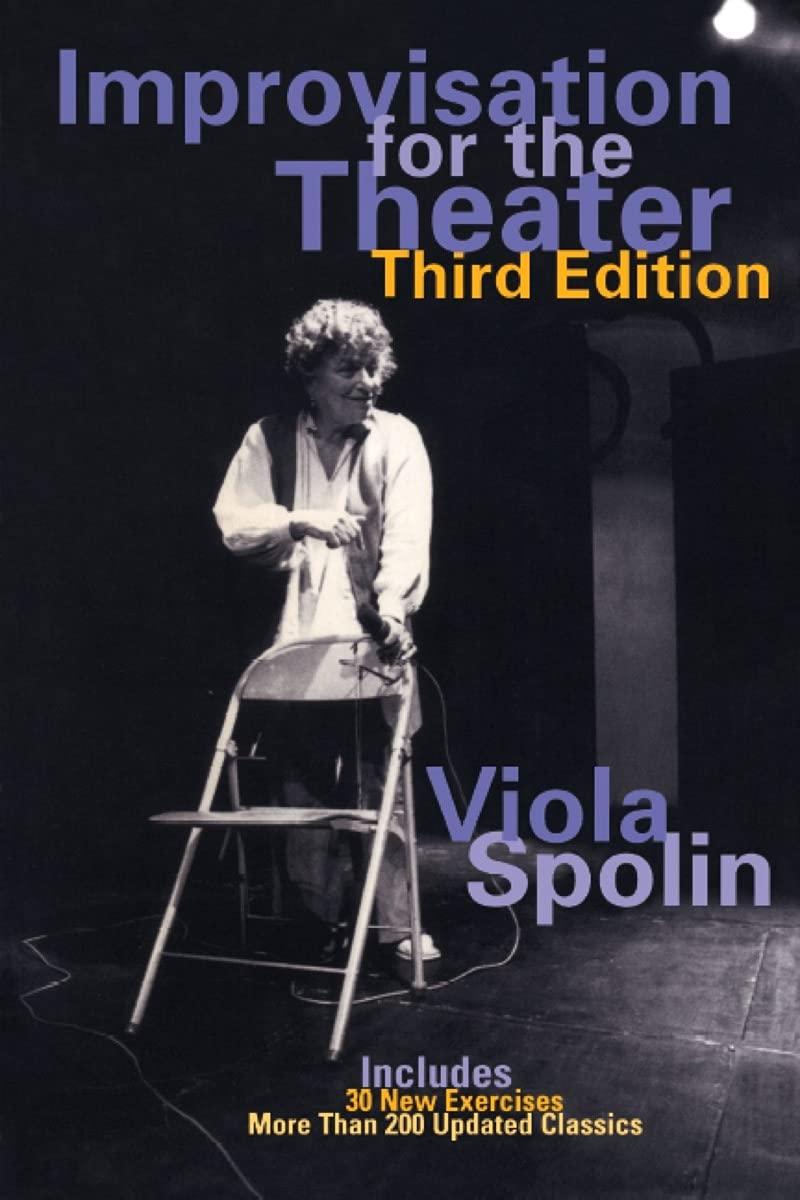
Improvisation for the Theater
A Handbook of Teaching and Directing Techniques
Viola Spolin
Theater Games for the Lone Actor
Viola Spolin

Improvisation
Use What You Know, Make Up What You Don't
Brad Newton

The Young Actor's Book of Improvisation
Dramatic Situations
Sandra Caruso; Susan Kosoff
Theater Games for Rehearsal
Viola Spolin
Related Games
Mystery Word
Mystery Word is a short-form game in which performers play a scene while one performer -- unbeknownst to the others -- has been given a specific secret word that they must work into the dialogue naturally and without drawing attention to it. The rest of the performers and audience try to identify when the mystery word has been successfully used, creating a dual layer of engagement: the scene itself and the detective puzzle of watching for the hidden word.
Secrets Endowment
Secrets Endowment is a short-form game in which performers are given secret information about their characters that the other performers do not know, creating dramatic irony as each player navigates a scene while hiding or gradually revealing their secret.
Detective
Detective is a guessing game in which one player takes the role of an investigator while the remaining performers hold secret information about a crime, event, or scenario. The detective pieces together the story through questioning, observation, and deduction while the other performers communicate information indirectly through behavior, dialogue, and scene work rather than stating the answer directly. The game trains deductive reasoning, indirect communication, and the ability to convey information through subtext and physicality. Detective rewards both the guessing player's analytical skill and the ensemble's ability to provide clear, playable clues without giving the answer away.
Id
Id is a scene game in which a performer's unfiltered subconscious desires are voiced by a second player, creating a running commentary of primal wants beneath the surface dialogue. The tension between polite conversation and raw impulse generates comedy and dramatic irony. The game highlights the gap between social behavior and inner life.
Confessions
Confessions is a scene game in which one or more characters reveal secrets, admissions, or hidden truths to another character or directly to the audience. The inherent vulnerability and dramatic stakes of confession provide strong emotional fuel without requiring an external gimmick. The game trains performers in emotional honesty, the ability to let a revelation land with appropriate weight, and the skill of responding authentically to unexpected information. Confessions rewards patience and specificity: the power of a confession comes from the details, not from the volume or melodrama of the delivery.
No P
No P is a short-form guessing game in which one performer must communicate an idea, tell a story, or answer questions without using any word that contains the letter P. The audience and host watch for violations, and the comedy arises from the performer's increasingly creative circumlocutions and the sudden, involuntary slips that reveal how deeply embedded common letters are in everyday speech.
How to Reference This Page
The Improv Archive. (2026). Rebel Without a Clue. Retrieved September 29, 2026, from https://improvarchive.org/games/rebel-without-a-clue
The Improv Archive. "Rebel Without a Clue." The Improv Archive, 2026. https://improvarchive.org/games/rebel-without-a-clue.
The Improv Archive. "Rebel Without a Clue." The Improv Archive, 2026, https://improvarchive.org/games/rebel-without-a-clue. Accessed September 29, 2026.
The Improv Archive is a systemically maintained repository. The archive itself acts as the corporate author.