The Re-Run
The Re-Run is a short-form game in which a completed scene is replayed multiple times in rapid succession, each repetition filtered through a different genre, style, or emotional register specified by the audience. The game demonstrates that the same story contains endless possible theatrical interpretations.
Structure
The Original Scene
Performers play a short scene, typically two to three minutes, with a clear beginning, middle, and end. The scene establishes a story with recognizable beats.
The Suggestion
The host or emcee asks the audience for a genre, style, or emotional filter: western, silent film, opera, horror, cheerful, and so on.
The Replay
Performers replay the same scene content, following the same story beats, but filtered entirely through the suggested style. Dialogue, physicality, and tone transform while the narrative structure remains.
The Acceleration
Subsequent rounds accelerate. Suggestions come faster and scenes get shorter. The final replays may be only thirty seconds, hitting the most recognizable beats of the original story in compressed form.
How to Perform It
Performer Notes
The game depends on the original scene having clear, memorable beats. A scene without distinct story moments has nothing to replay. Make sure the first version tells a genuine story, not just an interaction.
The Filter
A genre filter changes everything: language, movement, sound, pacing. The mistake is to change only the voice or add a costume note. Commit to the full physical and emotional transformation the genre demands.
Worth Reading
See all books →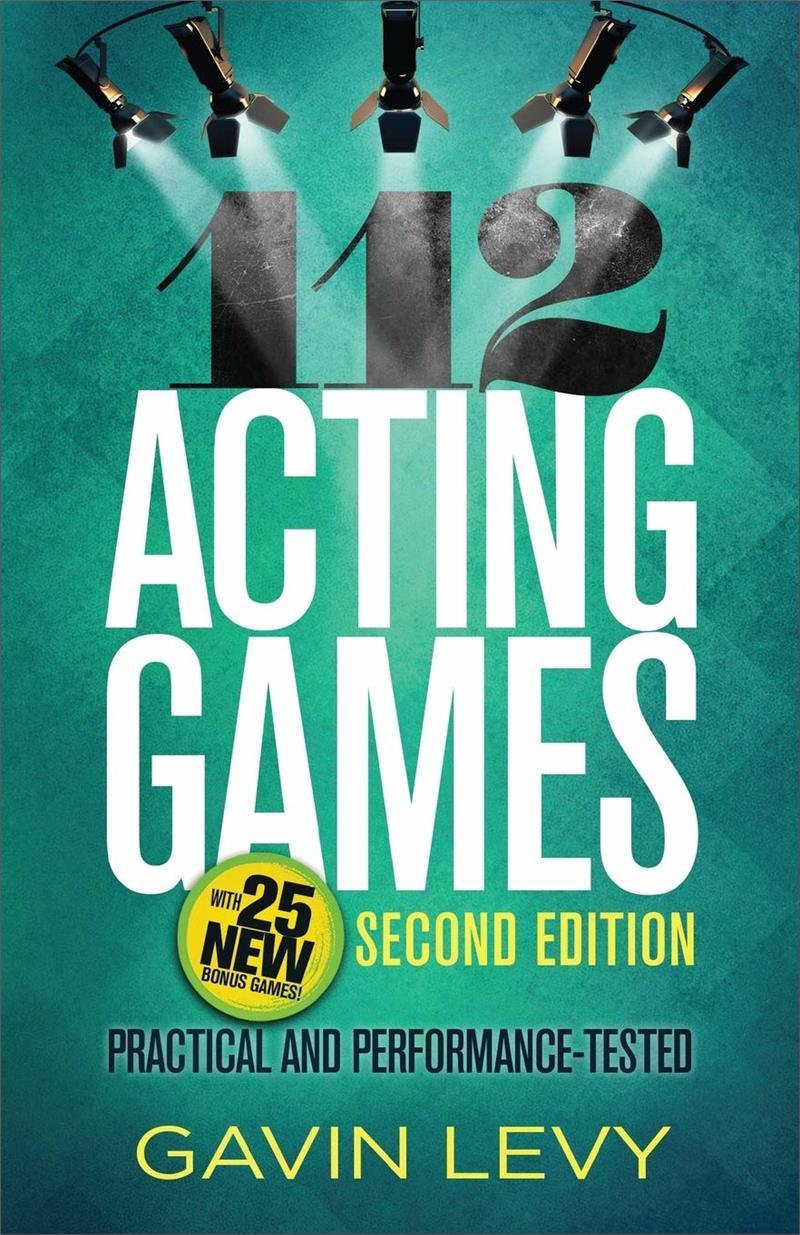
112 Acting Games
Gavin Levy
Theater Games for Rehearsal
Viola Spolin

Improvising Real Life
Personal Story in Playback Theatre
Jo Salas

How to Improvise a Full-Length Play
The Art of Spontaneous Theater
Kenn Adams

Drama Games and Improvs
Games for the Classroom and Beyond
Justine Jones; Mary Ann Kelley

Impro for Storytellers
Keith Johnstone
Related Games
Scene Replay
Scene Replay is a short-form game in which a scene is performed once, then replayed with a significant modification such as a new genre, emotional shift, or physical constraint. The replay preserves the original scene's structure and relationship while the imposed change reveals how a single variable transforms meaning, comedy, and dynamics.
Style Replay
Style Replay is a short-form game in which a scene is performed once, then replayed in a series of audience-suggested styles, genres, or performance traditions. Each replay transforms the same basic content through a completely different theatrical or cinematic lens.
Mega Replay
Mega Replay is a short-form game in which a scene or series of scenes is replayed multiple times, each time in a dramatically different style, genre, or emotional register. The game demonstrates the ensemble's range and versatility by showing the same material transformed across radically different theatrical and comedic conventions -- from opera to thriller, from silent film to children's television -- rewarding specificity of style and the audience's recognition of each new frame.
Rewind
Rewind is a short-form game in which a host calls out during a scene, causing performers to physically and verbally reverse their actions back to an earlier moment, then replay forward with different choices. The game rewards strong physical memory, comedic timing at the point of replay, and the ability to generate distinct alternatives quickly when the scene resumes.
Emotion Replay
Emotion Replay is a short-form game in which a brief scene is performed once, then replayed with different emotions assigned to each performer or to the scene as a whole. The same dialogue and physical action take on new meaning when filtered through joy, rage, terror, or grief, demonstrating how emotional state transforms the experience of any situation. The game makes the effect of emotion visible and concrete.
Replay Gibberish
Replay Gibberish is a short-form game in which a scene is first performed in coherent dialogue, then replayed entirely in gibberish. The performers must convey the same story, emotions, and relationships using only invented sounds, facial expressions, and physicality, demonstrating how much communication exists beyond words.
How to Reference This Page
The Improv Archive. (2026). The Re-Run. Retrieved September 28, 2026, from https://improvarchive.org/games/the-re-run
The Improv Archive. "The Re-Run." The Improv Archive, 2026. https://improvarchive.org/games/the-re-run.
The Improv Archive. "The Re-Run." The Improv Archive, 2026, https://improvarchive.org/games/the-re-run. Accessed September 28, 2026.
The Improv Archive is a systemically maintained repository. The archive itself acts as the corporate author.