Beats
In long-form improvisation, a beat is a single scene or moment within a larger piece. The Harold, for example, is traditionally structured in three rounds of beats. The term also refers to the rhythmic pulse of a scene: moments of action, reaction, and silence that create comedic or dramatic timing.
At its most fundamental level, a beat in improvisation refers to a discrete unit of scenic action: a single scene, moment, or exchange within a larger performance piece. In long-form improvisation, a beat is a single scene or moment within a larger piece. The Harold, for example, is traditionally structured in three rounds of beats. The term also refers to the rhythmic pulse of a scene: moments of action, reaction, and silence that create comedic or dramatic timing. This dual meaning, encompassing both structural and temporal dimensions, makes beats one of the most essential concepts for improvisers to internalize.
The structural sense of the word draws from theatrical and screenwriting traditions, where a beat has long described the smallest unit of dramatic action. In improv, this usage became codified through the development of long-form formats at theaters like ImprovOlympic (now iO) in Chicago. When performers and teachers refer to "first beats" or "second beats," they mean the initial scenes in a Harold or similar format and the scenes that revisit, heighten, or transform the themes introduced earlier. Each beat is expected to explore a single game, dynamic, or relationship before the piece moves on. At the Compass Players, an early precursor to modern improv, scenario plays featured structured scenes and beats the actors knew they had to hit, but specific lines and dialogue were improvised. This practice established beats as both a planning tool and a performance framework.
The rhythmic sense of beats relates to timing and pacing within a scene. Every moment of dialogue, physical action, reaction, or deliberate pause creates a pulse that the audience feels. Skilled improvisers learn to sense when a beat has landed, when to let silence do the work, and when to move forward. This internal metronome governs the pace at which information is revealed, emotions shift, and comedy builds. A scene that rushes through its beats feels frantic and ungrounded; one that lingers too long on a single beat loses momentum.
In teaching, beats are often explored through exercises that compress and expand scenes. The exercise known as Half-Life asks improvisers to perform a scene, then repeat it in half the time, then half again, forcing them to discover the essential beats in a story and develop more efficient storytelling skills. This process reveals which moments carry genuine weight and which are filler. Coaches frequently direct performers to "find the beat" or "let that beat land," training them to trust that a moment of stillness or a reaction can be more powerful than additional dialogue.
A common misunderstanding among newer improvisers is conflating beats with jokes or laugh lines. A beat is not necessarily comedic; it is any moment where something shifts, whether in information, emotion, status, or relationship. Another pitfall is treating beats as rigid checkpoints rather than organic moments that emerge from attentive scene work. When performers become too focused on hitting predetermined beats, they risk losing the spontaneity that makes improvisation compelling.
Beats connect closely to several other core improv concepts. The game of the scene often establishes the pattern that subsequent beats heighten and explore. Callbacks rely on the audience's memory of earlier beats to create resonance. Editing, whether through sweeps, tag-outs, or organic transitions, is essentially the art of recognizing when one beat has concluded and another should begin. Understanding beats as both structure and rhythm gives performers a framework for building coherent, dynamic performances while remaining responsive to what emerges in the moment.
Further Reading
See all books →
Improvising Now
A Practical Guide to Modern Improv
Rob Norman

Something from Nothing
The Technique of Improvisation
Richard Goteri
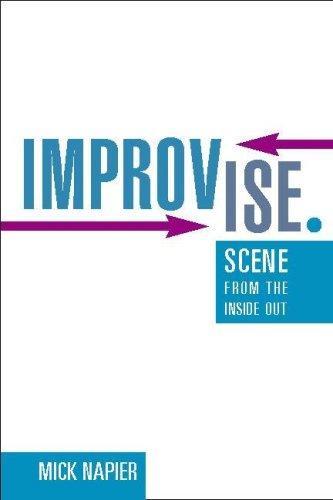
Improvise
Scene from the Inside Out
Mick Napier
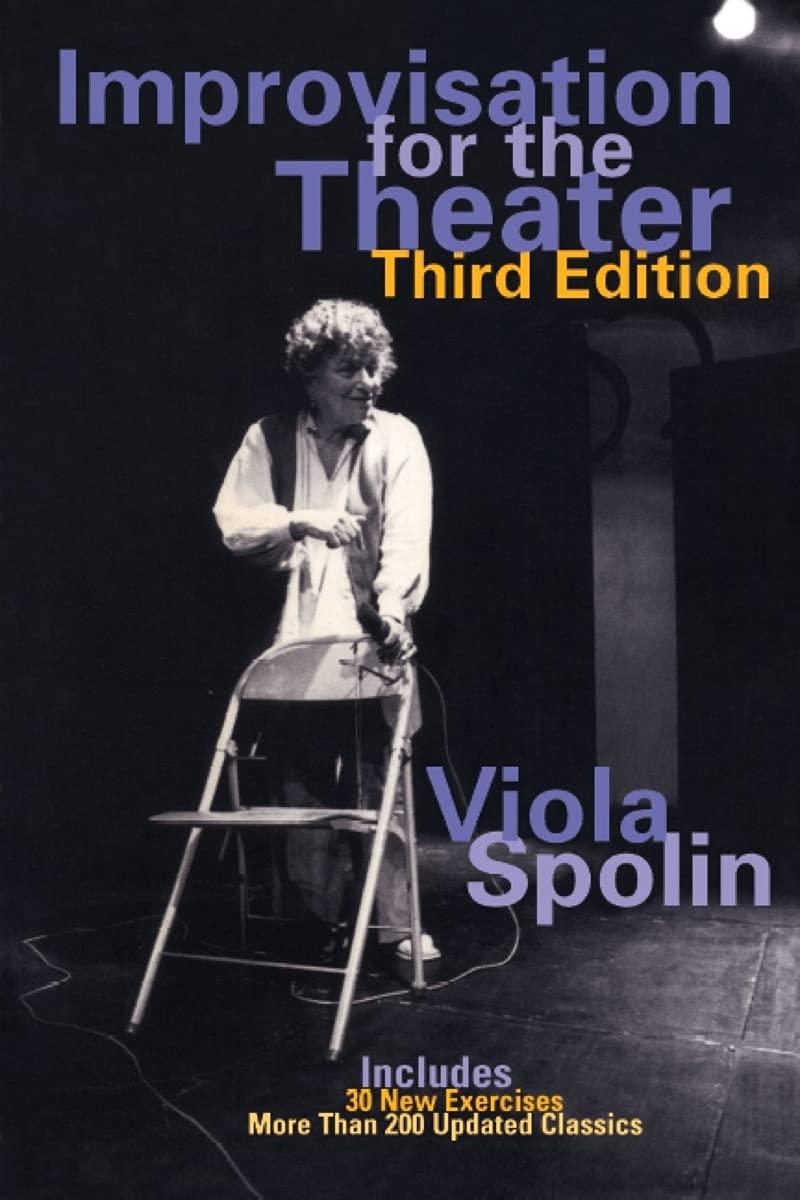
Improvisation for the Theater
A Handbook of Teaching and Directing Techniques
Viola Spolin

How to Improvise a Full-Length Play
The Art of Spontaneous Theater
Kenn Adams

Behind the Scenes
Improvising Long Form
Mick Napier
How to Reference This Page
The Improv Archive. (2026). Beats. Retrieved November 5, 2026, from https://improvarchive.org/learn-improv/concepts/beats
The Improv Archive. "Beats." The Improv Archive, 2026. https://improvarchive.org/learn-improv/concepts/beats.
The Improv Archive. "Beats." The Improv Archive, 2026, https://improvarchive.org/learn-improv/concepts/beats. Accessed November 5, 2026.
The Improv Archive is a systemically maintained repository. The archive itself acts as the corporate author.