Action and Entrance
Action and Entrance is an exercise in which a player enters the scene space performing a specific physical activity that establishes character and context before any dialogue begins. The emphasis on physical initiation teaches performers that action communicates faster than words. It reinforces the principle of entering a scene with a strong, clear choice.
Structure
Setup
- Players take turns entering the playing space.
- Each player must be doing something specific before they cross the threshold: a clear physical activity that communicates who they are, where they have been, or what they want.
- No dialogue until the action is established.
The Entry Requirement
- The physical activity must be specific enough to communicate something about the character. Not "walking" but "walking as though carrying heavy bags," or "walking while checking over their shoulder."
- The action should begin offstage, before the player steps into the space.
- The action communicates faster than words. By the time the player has fully entered, the audience should already know something about them.
What It Trains
- The principle that action communicates character.
- Specific, committed physical choices before dialogue.
- The understanding that an entrance is a scene offer.
Facilitation
- Players practice several entrances in succession, varying the action each time.
- The group names what each entrance communicated before the entering player reveals what they intended.
- The gap between intention and perception is the coaching material.
How to Teach It
How to Explain It
"You are doing something specific before you walk in. Not 'coming in.' Something. And that something tells us who you are before you open your mouth. Start the action before you cross the line. Arrive in the middle of it."
Common Notes
- Performers who enter and then look for something to do have confused the order. The action comes first.
- The group's read of the entrance is more important than the performer's intention. The exercise reveals the gap between what performers communicate and what they intend.
- Encourage actions that are not physically extreme or comedic. The discipline of clear, naturalistic action is harder and more useful.
Common Pitfalls
- Players choose actions that are so neutral they communicate nothing. The action must be specific enough to be readable.
- Players begin the action after they enter rather than arriving in the middle of it. The action starts before the crossing.
- Players immediately explain their action through dialogue. The exercise is for physical clarity; dialogue should be held until the action is established.
Worth Reading
See all books →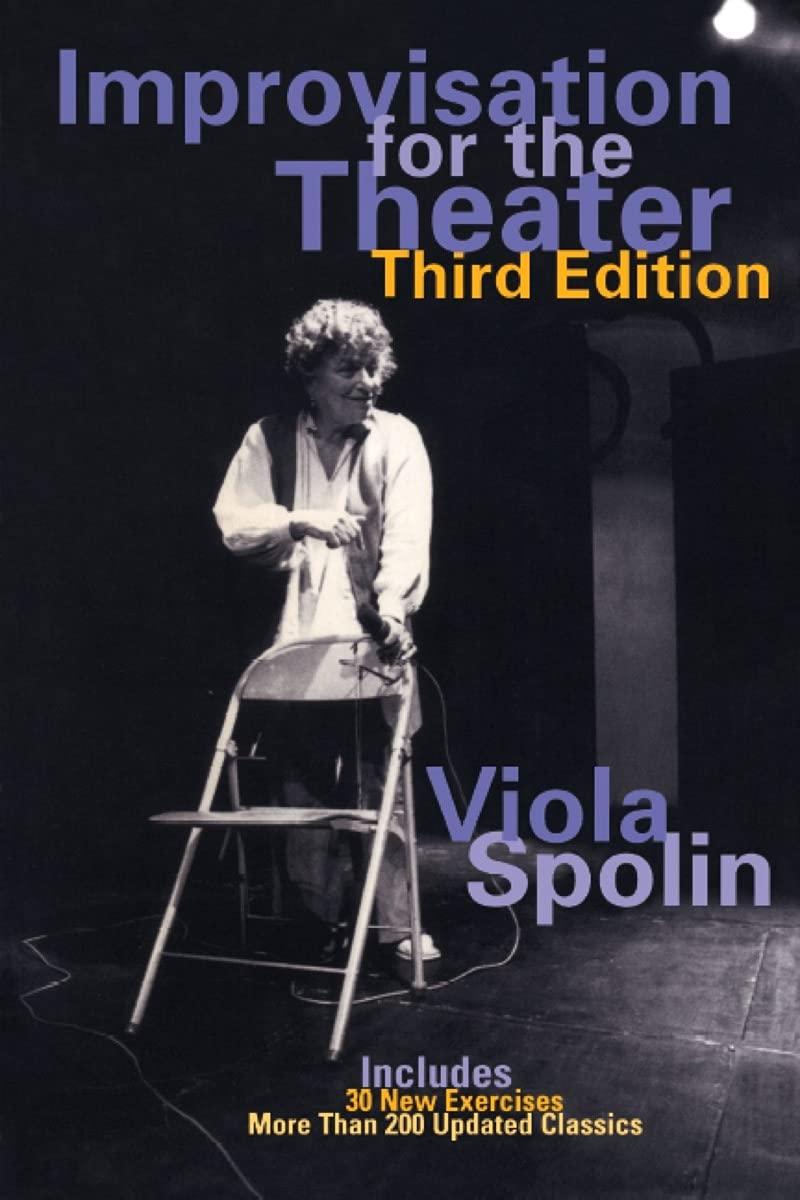
Improvisation for the Theater
A Handbook of Teaching and Directing Techniques
Viola Spolin

Action Theater
The Improvisation of Presence
Ruth Zaporah
Theater Games for Rehearsal
Viola Spolin
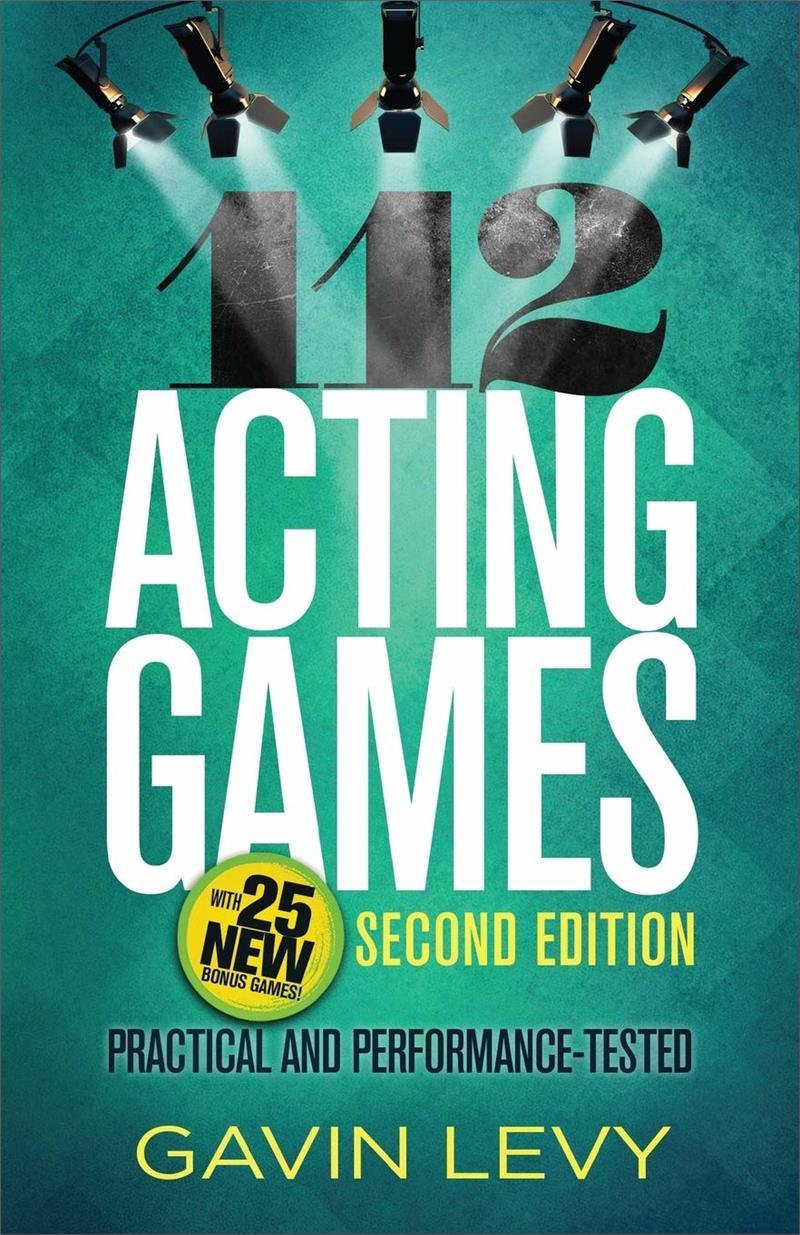
112 Acting Games
Gavin Levy

Embodied Playwriting
Improv and Acting Exercises for Writing
Hillary Haft Bucs; Charissa Menefee

Acting Through Improv
Improv Through Theatresports
Lynda Belt; Rebecca Stockley
Related Exercises
Character / Scene Walkabout
Character/Scene Walkabout is an exercise in which performers walk through the space and, on a signal, immediately enter a scene with whoever is nearest. The random pairing and instant commitment prevent over-planning. The exercise builds comfort with initiating scenes with any partner and develops quick character choices.
Enter and Exit
Enter and Exit is a physical exercise in which performers practice making clear, purposeful entrances and exits from the stage. Each entry or departure must communicate character, intention, or emotional state without relying on dialogue. The exercise highlights how much information an audience reads from the simple act of walking on or off stage: pace, posture, direction of gaze, and physical tension all communicate story before a single word is spoken. Enter and Exit builds awareness of the stage as a defined space with its own rules and teaches performers that every entrance is an offer and every exit is an edit.
Scene / Character Walkabout
Scene/Character Walkabout is an exercise in which performers walk around the space embodying a character, then engage in brief scene interactions with other walking characters. The exercise develops character physicality, the ability to initiate scenes organically, and the skill of maintaining a character while simultaneously navigating an unstructured environment.
Action Syllables
Action Syllables is an exercise in which players pair a distinct physical movement with each syllable of a word or phrase. The activity connects vocal rhythm to full-body expression and breaks habitual patterns of stillness during speech. It builds awareness of how physicality and language reinforce each other onstage.
Activity Starter
Activity Starter is a group exercise in which one player begins a physical activity and other players gradually enter to mirror or extend it. The exercise builds ensemble attunement and physical awareness by requiring players to read and respond to a shared movement rather than a verbal cue.
How to Reference This Page
The Improv Archive. (2026). Action and Entrance. Retrieved September 28, 2026, from https://improvarchive.org/exercises/action-and-entrance
The Improv Archive. "Action and Entrance." The Improv Archive, 2026. https://improvarchive.org/exercises/action-and-entrance.
The Improv Archive. "Action and Entrance." The Improv Archive, 2026, https://improvarchive.org/exercises/action-and-entrance. Accessed September 28, 2026.
The Improv Archive is a systemically maintained repository. The archive itself acts as the corporate author.