Advancing and Expanding
Advancing and Expanding is a scene technique exercise in which players practice the dual skills of moving a narrative forward and deepening the current moment. A caller instructs performers to either advance the plot or expand on the present beat with more detail and emotion. The exercise builds the storytelling instinct for when to push forward and when to linger.
Structure
Setup
- Two players perform a scene.
- A caller stands outside the scene with two commands: "advance" and "expand."
- The scene proceeds until the caller gives an instruction.
The Two Commands
- Advance: the scene must move forward. Time passes, a decision is made, something happens. The narrative progresses.
- Expand: the scene must deepen the current moment. More detail, more emotion, more texture. Time does not pass.
What Each Command Does
- Advance drives scenes that have stalled in a single moment too long.
- Expand deepens scenes that are rushing through moments without inhabiting them.
- Together they train the storytelling instinct for when to push forward and when to stay.
Scene Shape Awareness
- The exercise reveals that scenes have a natural rhythm of advancement and expansion.
- A scene that only advances is eventful but thin.
- A scene that only expands is rich but static.
- The alternation between the two creates the rhythm of good scene work.
Facilitation
- The caller should observe the scene and diagnose what it needs: advancement when it stalls, expansion when it rushes.
- The timing of each call is editorial. The caller is teaching scene shape through their choices.
How to Teach It
How to Explain It
"When I call 'advance,' something happens. We move forward. When I call 'expand,' we go deeper into exactly where we are. More detail, more feeling, more of the moment. One moves the story. One enriches it. Both matter."
Common Notes
- The caller should name what they are doing for the group after the scene: "I called advance there because the scene had found a moment but was staying in it past its usefulness." This develops the group's editorial instinct.
- Players who are advancing when the caller would have expanded have a natural bias toward plot. Players who are expanding when the caller would have advanced have a bias toward texture. Both biases are valuable to identify.
- The exercise can be run with performers calling advance or expand for themselves, developing self-awareness about their default patterns.
Common Pitfalls
- Advance becomes scene change: performers interpret the command as a signal to jump to a new scene rather than to progress within the current one.
- Expand becomes commentary: performers narrate what they are feeling rather than embodying more of the current moment.
- The caller gives equal time to advance and expand regardless of what the scene needs. The call should be diagnostic, not mechanical.
Worth Reading
See all books →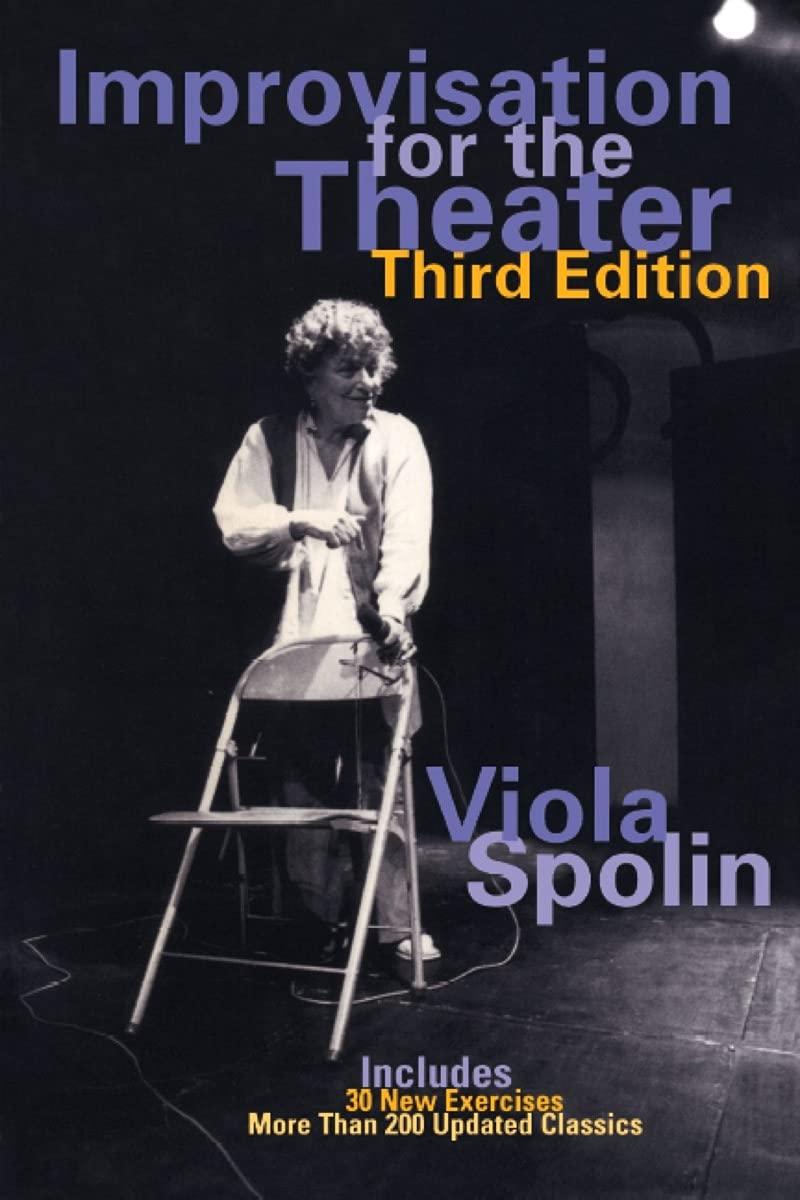
Improvisation for the Theater
A Handbook of Teaching and Directing Techniques
Viola Spolin
Theater Games for Rehearsal
Viola Spolin

Playing Along
37 Group Learning Activities Borrowed from Improvisational Theater
Izzy Gesell

Improvising Now
A Practical Guide to Modern Improv
Rob Norman
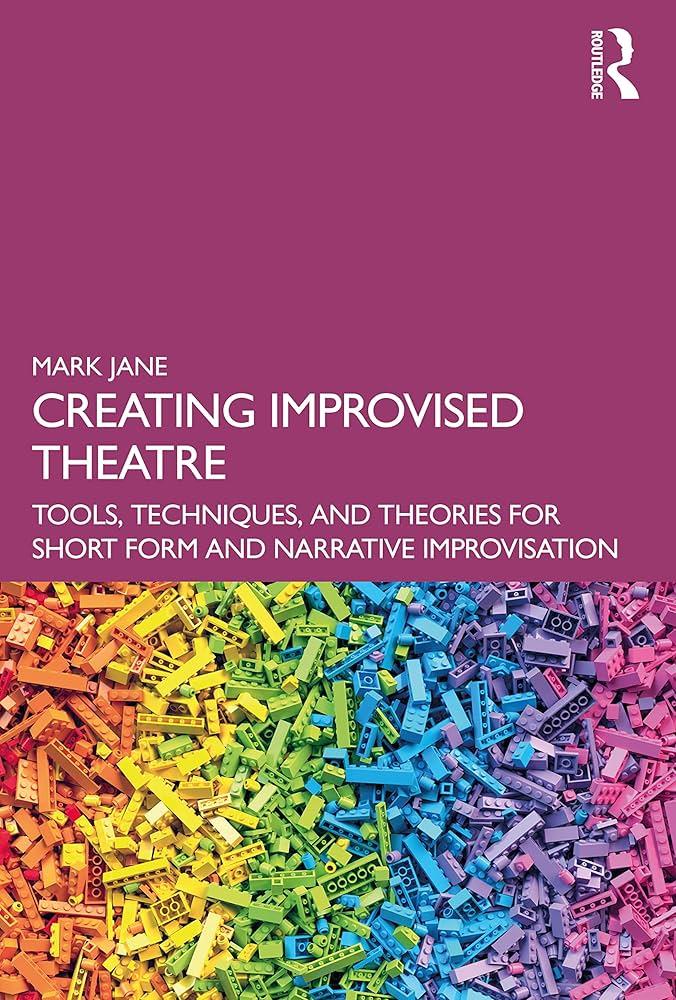
Creating Improvised Theatre
Tools, Techniques, and Theories
Mark Jane

Something from Nothing
The Technique of Improvisation
Richard Goteri
Related Exercises
Color/Advance
Color/Advance is a storytelling exercise in which a narrator tells a story while a caller directs the narrative with two commands: 'Color' adds descriptive detail and texture to the current moment, while 'Advance' moves the plot forward. The exercise reveals and corrects individual storytelling habits, training balance between descriptive richness and narrative momentum.
Continuing Emotions
Continuing Emotions is a scene game in which performers cycle through a series of emotional states at the direction of a caller. Each emotional shift must be justified within the scene's reality rather than simply displayed, with characters finding a reason to feel the new state given what has just happened. The game trains emotional range, commitment, and the ability to sustain scene logic through rapid change.
Ace
Ace (Advance, Color, Emotion) is a storytelling exercise in which one player narrates while a caller directs them to advance the plot, add descriptive color, or express emotion. The commands train improvisers to balance narrative momentum with sensory detail and emotional depth. It develops well-rounded storytelling instincts that translate directly to scene work.
And Then
And Then is a storytelling exercise in which each contribution to a group story must begin with the phrase "and then." The connective phrase enforces forward momentum and prevents storytellers from stalling or backtracking. The exercise trains narrative drive and the habit of advancing rather than circling.
Simple Continuation
Simple Continuation is a scene exercise in which a facilitator starts a scene with a basic premise and the performers continue from that point, practicing the skill of receiving an offer and building on it without the pressure of initiating from scratch.
Location, Relationship, Escalate, End
Location, Relationship, Escalate, End is a scene construction exercise in which performers build a scene through four discrete, progressive stages: first establishing a specific physical location, then establishing the specific relationship between the characters, then escalating the scene through increasing stakes or emotional intensity, and finally bringing it to a definitive end. The exercise provides a structured scaffold for scene construction and trains performers to execute each element with commitment and specificity before moving to the next.
How to Reference This Page
The Improv Archive. (2026). Advancing and Expanding. Retrieved September 28, 2026, from https://improvarchive.org/exercises/advancing-and-expanding
The Improv Archive. "Advancing and Expanding." The Improv Archive, 2026. https://improvarchive.org/exercises/advancing-and-expanding.
The Improv Archive. "Advancing and Expanding." The Improv Archive, 2026, https://improvarchive.org/exercises/advancing-and-expanding. Accessed September 28, 2026.
The Improv Archive is a systemically maintained repository. The archive itself acts as the corporate author.