Ace
Ace (Advance, Color, Emotion) is a storytelling exercise in which one player narrates while a caller directs them to advance the plot, add descriptive color, or express emotion. The commands train improvisers to balance narrative momentum with sensory detail and emotional depth. It develops well-rounded storytelling instincts that translate directly to scene work.
Structure
Setup
- One player narrates an improvised story or scene.
- A caller stands outside with three commands: Advance, Color, and Emotion (ACE).
- An audience suggestion establishes the subject of the story.
The Three Commands
- Advance: the narrator must move the story forward in time or action. Something must happen. The narrative cannot remain static.
- Color: the narrator must add sensory or descriptive detail. A smell, a texture, a specific visual element, the quality of light, the feeling of a surface.
- Emotion: the narrator must voice the emotional state of a character, either through characterization or through direct narrative statement.
How the Exercise Works
- The narrator begins telling the story.
- The caller interrupts with one of the three commands at any moment.
- The narrator must execute the command immediately without losing the thread of the story.
- The caller varies the commands to train balance: a story that only advances has no texture; a story that only colors has no momentum; a story without emotion has no stakes.
What It Trains
- Advance develops narrative economy and the ability to recognize and produce story movement.
- Color develops sensory specificity and the ability to ground abstract narrative in concrete detail.
- Emotion develops the connection between events and their human significance.
How to Teach It
How to Explain It
"You are telling us a story. When I call 'advance,' something must happen. The story moves. When I call 'color,' you give us a detail: something we can see, feel, or smell. When I call 'emotion,' you tell us what someone is feeling. Keep the story going no matter which command I call."
Common Notes
- The narrator should not pause to process the command. The response should feel as though the story was always going to include that element.
- The caller should diagnose what the story is missing and call the command that addresses the deficit. A story with rich emotion and detail but no narrative movement needs Advance.
- Beginning narrators often default to Advance and neglect Color and Emotion. Callers should counteract the dominant pattern.
Common Pitfalls
- The narrator treats each command as a full stop, completing one element completely before resuming the story. The commands should be woven into the ongoing narrative, not appended to it.
- The caller calls the same command repeatedly, training one skill at the expense of the other two.
- Color becomes lists of adjectives rather than specific, singular details. One precise detail is worth more than a paragraph of general description.
Worth Reading
See all books →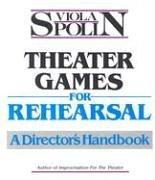
Theater Games for Rehearsal
Viola Spolin

Improvised Theatre and the Autism Spectrum
A Practical Guide
Gary Kramer; Richie Ploesch
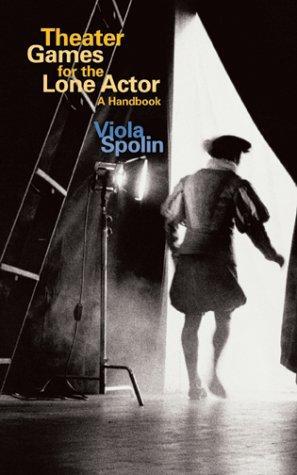
Theater Games for the Lone Actor
Viola Spolin
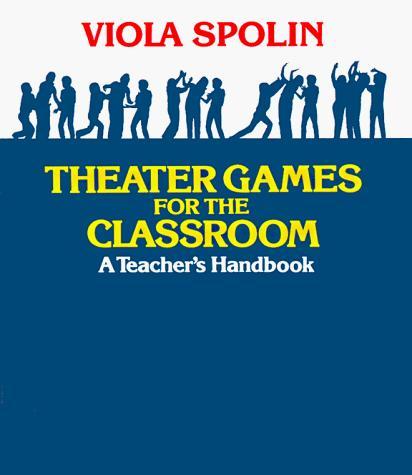
Theater Games for the Classroom
Viola Spolin
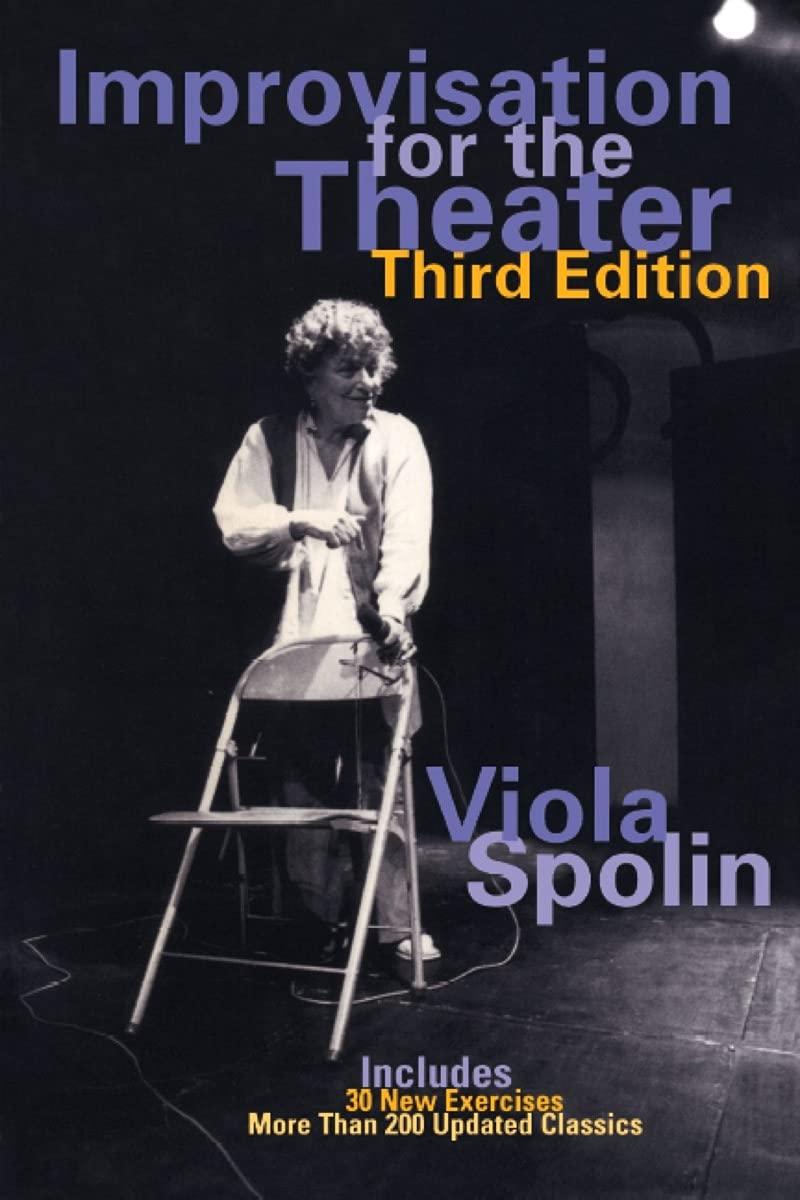
Improvisation for the Theater
A Handbook of Teaching and Directing Techniques
Viola Spolin

Something from Nothing
The Technique of Improvisation
Richard Goteri
Related Exercises
Color/Advance
Color/Advance is a storytelling exercise in which a narrator tells a story while a caller directs the narrative with two commands: 'Color' adds descriptive detail and texture to the current moment, while 'Advance' moves the plot forward. The exercise reveals and corrects individual storytelling habits, training balance between descriptive richness and narrative momentum.
Narrative, Color, Emotion
Narrative Color Emotion is a scene-building exercise in which performers construct a scene by layering three distinct types of contribution in rotation: narrative (plot-level information), color (sensory or atmospheric detail), and emotion (a felt response to the circumstances). The structured rotation prevents scenes from stalling in pure action or pure feeling, and trains performers to build scenes that are simultaneously propulsive, vivid, and emotionally alive.
Continuing Emotions
Continuing Emotions is a scene game in which performers cycle through a series of emotional states at the direction of a caller. Each emotional shift must be justified within the scene's reality rather than simply displayed, with characters finding a reason to feel the new state given what has just happened. The game trains emotional range, commitment, and the ability to sustain scene logic through rapid change.
Advancing and Expanding
Advancing and Expanding is a scene technique exercise in which players practice the dual skills of moving a narrative forward and deepening the current moment. A caller instructs performers to either advance the plot or expand on the present beat with more detail and emotion. The exercise builds the storytelling instinct for when to push forward and when to linger.
Automatic Storytelling
Automatic Storytelling is an exercise in which a player tells a story as rapidly as possible, following the first narrative impulse that arises without planning or editing. The technique bypasses the conscious mind's desire to control and produces raw, surprising material. It trains the instinct to trust one's first offer.
And Then
And Then is a storytelling exercise in which each contribution to a group story must begin with the phrase "and then." The connective phrase enforces forward momentum and prevents storytellers from stalling or backtracking. The exercise trains narrative drive and the habit of advancing rather than circling.
How to Reference This Page
The Improv Archive. (2026). Ace. Retrieved September 28, 2026, from https://improvarchive.org/exercises/ace
The Improv Archive. "Ace." The Improv Archive, 2026. https://improvarchive.org/exercises/ace.
The Improv Archive. "Ace." The Improv Archive, 2026, https://improvarchive.org/exercises/ace. Accessed September 28, 2026.
The Improv Archive is a systemically maintained repository. The archive itself acts as the corporate author.