Be in the Moment
Activities focused on developing present-moment awareness and full engagement in current interactions without mental multitasking.
Structure
Context
"Be in the Moment" exercises train present-moment awareness - the ability to be fully engaged with what is happening now rather than anticipating what comes next or processing what just happened. In improv training, this is a foundational skill; in applied settings, it is a prerequisite for listening, responsiveness, and genuine collaboration.
Core Exercise: One-Minute Complete Attention
Participants pair up. One speaks for one minute about anything - their morning, a project they're working on, anything. The other listens with complete attention: no note-taking, no planning responses, no distraction. When the minute ends, the listener summarizes what they heard - not just content but tone, energy, and what seemed most important to the speaker.
Then partners switch.
Variation: Object Focus
Participants pick up any object - a pen, a phone, a cup - and spend three minutes examining it as if they have never seen anything like it before. They describe it aloud continuously: texture, weight, appearance, smell, sound when tapped. Full sensory attention with no internal commentary about the exercise.
Variation: Environmental Noticing
Participants walk slowly through a space for five minutes. For the first two minutes, they notice everything they normally ignore: sounds, light quality, the texture of surfaces, how other people in the space are positioned. For the last three minutes, they find one thing they've never noticed before in a familiar space.
Timing
Each variation: 10-15 minutes including debrief.
How to Teach It
How to Explain It
"Your job for the next minute: be completely here. Not anticipating, not remembering, not planning what you'll say. Here. Fully. Watch what that's like."
Why It Matters
Most people are partially present in most interactions: planning their next point, reviewing what was just said, monitoring for threats, managing impressions. This is normal and often functional. But it means most interactions involve two people who are both only partly there. The "be in the moment" exercises train the alternative: the full-attention state that makes genuine listening, creative response, and authentic connection possible. For performers, this is the foundational improv skill from which all other skills derive. For non-performers, it is the foundation of effective communication, leadership, and collaboration.
Common Coaching Notes
- The listener role is the hard one. Speakers often find it easier to be present. Listeners are fighting the urge to prepare a response. Coach listeners: "Notice when you start planning your response. Return to listening."
- Don't summarize what to notice. Let participants discover their own experience of full attention. Then debrief.
- One minute is long. For most participants, one minute of complete attention is genuinely difficult. Acknowledge this: "Did that feel like a long minute? It was."
Debrief Questions
- What happened to your attention during the exercise?
- What was it like to be fully listened to?
- How does this compare to how you usually listen in meetings?
In Applied Settings
Organizational Context
Present-moment awareness exercises address one of the most universally recognized organizational problems: people are physically present in meetings, conversations, and collaborative work sessions but mentally elsewhere. The costs of this partial presence are real - miscommunication, missed information, decisions made without full understanding, and a pervasive sense of disconnection even among people who work closely together.
Workplace Applications
Applied improv be-in-the-moment exercises are used in leadership development programs, meeting effectiveness training, coaching skill development, and any context where listening quality is a strategic priority. They are particularly valuable for leaders and managers who spend significant portions of their day in conversations where the quality of their attention directly affects outcomes: performance conversations, strategic discussions, client interactions, and team problem-solving sessions.
Meeting and Team Culture
Facilitators can use brief present-moment exercises at the start of meetings to shift the group from the scattered attention state most people arrive with (coming from another meeting, another task, another demand) to genuine readiness for the conversation at hand. A one-minute paired listening exercise before a difficult team conversation, for example, consistently improves the quality of the subsequent discussion. Organizations that adopt this practice report significant changes in meeting effectiveness over time.
Organizational and Systemic Context
Be-in-the-moment exercises also surface a systemic organizational problem: the structure of most workplaces (back-to-back meetings, constant notifications, open-plan offices) makes sustained present-moment attention structurally difficult. Participants often benefit from a discussion that connects the exercise to the environmental factors that work against the skill, and what organizational choices would support it.
Skills Developed
Worth Reading
See all books →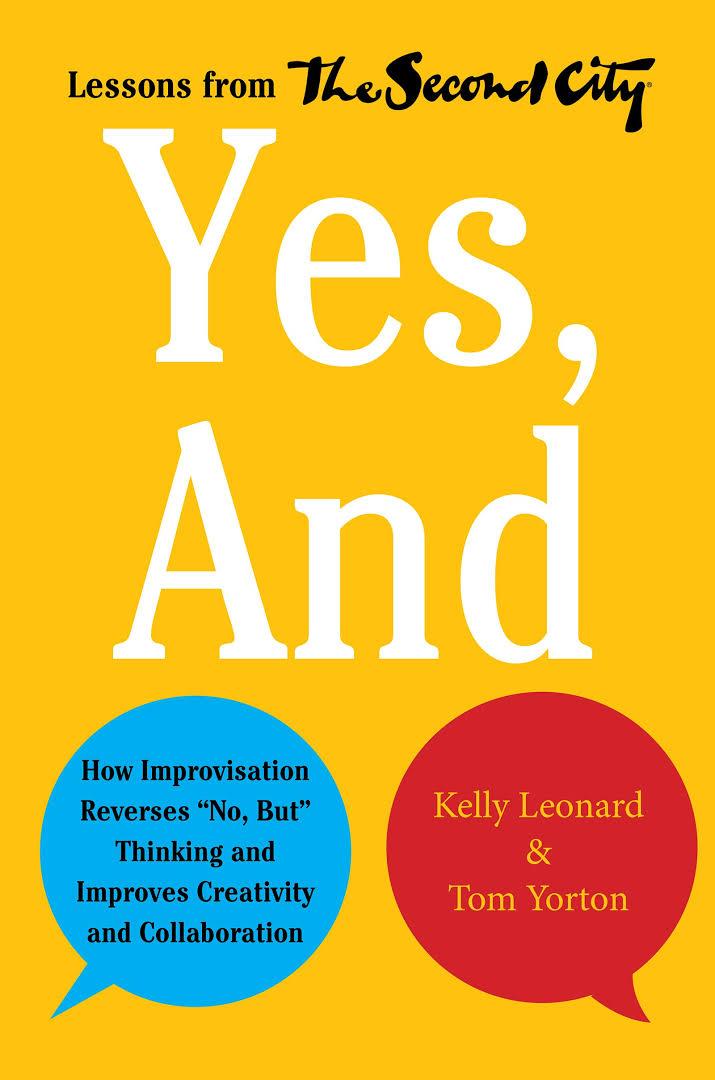
Yes, And
How Improvisation Reverses No, But Thinking and Improves Creativity and Collaboration
Kelly Leonard; Tom Yorton

Business Improv
Experiential Learning Exercises to Train Employees
Val Gee

The Art of Chicago Improv
Short Cuts to Long-Form Improvisation
Rob Kozlowski
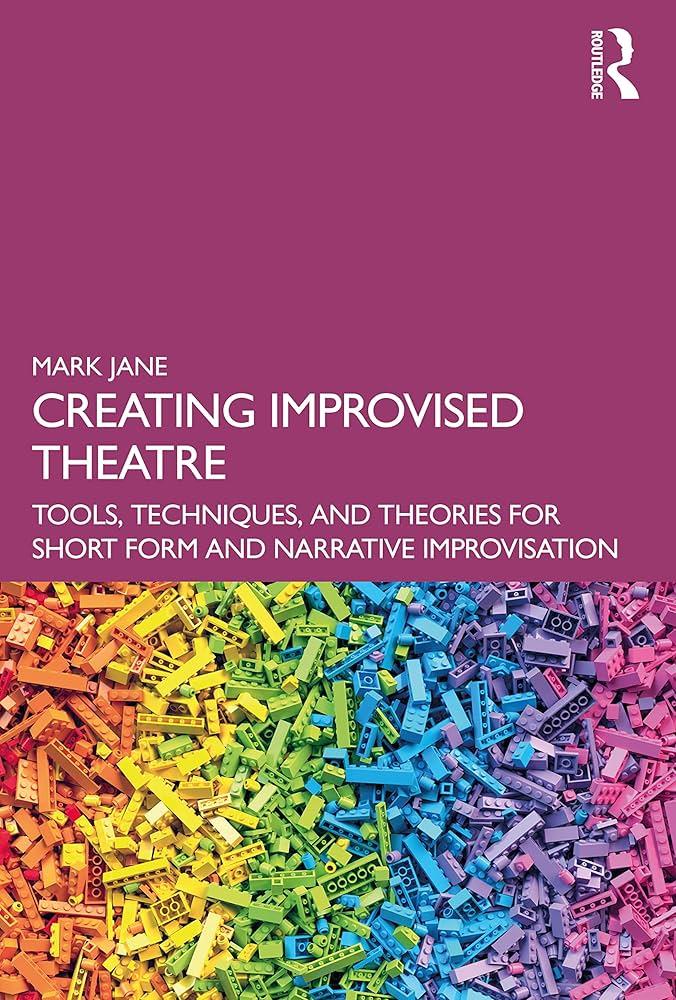
Creating Improvised Theatre
Tools, Techniques, and Theories
Mark Jane

The Routledge Companion to Improvisation in Organizations
Miguel Pina e Cunha; Dusya Vera; António Cunha Meneses

Improv Yourself
Business Spontaneity at the Speed of Thought
Joseph A. Keefe
Related Exercises
Learn to Be Looked At
Learn to Be Looked At is an applied improv exercise in which participants practice being the subject of others' attention without deflecting, performing, or withdrawing. The exercise addresses the discomfort most people feel when held in a sustained gaze and trains the capacity to remain present, open, and grounded while being observed -- a foundational skill for anyone who presents, leads, or regularly holds attention in professional or public settings.
Present without Scripting
Present Without Scripting is an applied improvisation exercise from Business Improv in which participants practice delivering spontaneous presentations without prepared remarks. The exercise builds confidence in speaking from knowledge and instinct rather than from written scripts, demonstrating that authentic communication often connects more effectively than rehearsed delivery.
A Moment of Silence
A Moment of Silence is a scene exercise in which actors must wait through a long pause before answering each line. The pause forces them to stay present, justify silence through behavior, and listen with more than words. It is less about dead air than about learning how much can still be happening when nobody is speaking.
Last Word, First Word
Last Word First Word is an applied improv listening exercise in which each participant must begin their sentence with the last word spoken by the previous participant, carrying the conversation forward through this chain of shared language. The constraint makes end-of-utterance attention mandatory and creates a visible, audible record of how carefully each participant tracked their partner's contribution before responding.
Synchro Clap
Synchro Clap is a group focus exercise in which players attempt to clap simultaneously without any verbal coordination or designated leader. The exercise develops ensemble awareness and the ability to read and respond to the group's collective energy.
Performance of an Audience
Performance of an Audience is an applied improvisation exercise that explores the reciprocal relationship between performer and spectator. Participants experience both roles, discovering how the quality of attention an audience gives shapes the performer's experience and how conscious, engaged witnessing differs from passive spectating. The exercise builds awareness that presence and attention are active contributions to any group interaction.
The Lineage
Explore the schools and structures that influenced or evolved from Be in the Moment.
Business Improv (Gee & Gee)
How to Reference This Page
The Improv Archive. (2026). Be in the Moment. Retrieved October 14, 2026, from https://improvarchive.org/exercises/be-in-the-moment
The Improv Archive. "Be in the Moment." The Improv Archive, 2026. https://improvarchive.org/exercises/be-in-the-moment.
The Improv Archive. "Be in the Moment." The Improv Archive, 2026, https://improvarchive.org/exercises/be-in-the-moment. Accessed October 14, 2026.
The Improv Archive is a systemically maintained repository. The archive itself acts as the corporate author.