Last Word, First Word
Last Word First Word is an applied improv listening exercise in which each participant must begin their sentence with the last word spoken by the previous participant, carrying the conversation forward through this chain of shared language. The constraint makes end-of-utterance attention mandatory and creates a visible, audible record of how carefully each participant tracked their partner's contribution before responding.
Structure
Setup
Participants work in pairs, small groups, or a full circle. The facilitator establishes the rule: the first word of each new sentence must be the last word of the previous sentence. Participants may use the word naturally within their new sentence or build a response that makes the connecting word its genuine starting point.
Progression
A conversation begins on a given topic or with an open prompt. Each participant ends their sentence cleanly, and the next participant picks up the final word and uses it to begin their contribution. The conversation is expected to remain coherent and connected rather than becoming a random word chain.
Conclusion
The exercise ends after multiple complete rotations or when the group is maintaining the constraint naturally without conscious effort.
How to Teach It
Objectives
Last Word First Word trains full-sentence listening and the discipline of holding the previous speaker's final word in memory long enough to make it the starting point of a new, coherent response. It addresses the habit of monitoring for a gap to speak rather than truly listening to the end of a sentence.
How to Explain It
"Every time you speak, your first word is the last word they just said. That means you cannot start talking until they have finished -- and you have to actually remember what they just finished with. This keeps you listening all the way to the end."
Scaffolding
Begin with short, slow exchanges so participants have time to identify and hold the final word before beginning. As the group builds comfort, increase the pace and introduce longer statements that require sustained attention through more complex sentences.
Common Pitfalls
Participants sometimes pick up a word from the middle of the previous sentence that felt significant and begin from there, revealing that their attention drifted before the end. Coach the group to explicitly repeat the last word before continuing if they need to confirm it was captured.
In Applied Settings
Learning Objectives
Last Word First Word trains end-of-sentence listening in conversational contexts. By making the final word of each speaker's contribution the mandatory starting point of the next, the exercise eliminates the possibility of premature response preparation and gives participants immediate, audible feedback when their listening ended before the sentence did.
Workplace Transfer
In professional settings, conversations often suffer from a form of selective listening in which participants attend to the general direction of a speaker's message and begin formulating their response before the sentence is complete. This pattern produces misunderstandings at the level of specific detail, signals to speakers that they are not being heard to completion, and reduces the collaborative quality of exchanges. Last Word First Word replicates the discipline of full-sentence listening and creates a direct feedback mechanism: if a participant picks up a middle-of-sentence word, it is immediately visible to the group.
Facilitation Context
Last Word First Word is used in active listening training, communication workshops, team-building sessions, and leadership development programs focused on dialogue quality. It pairs effectively with debriefs that examine listening habits in specific workplace contexts -- meetings, one-on-one conversations, feedback sessions, and negotiations. The exercise works in pairs, trios, or circles of up to fifteen participants.
Debrief Framing
After the exercise, ask: What was it like to wait until the very last word? When did you notice yourself reaching for a word before the sentence ended? What did you hear in the final words of sentences that you might have missed if you had started talking earlier? What conversations at work would benefit from this level of end-of-sentence attention?
Skills Developed
Worth Reading
See all books →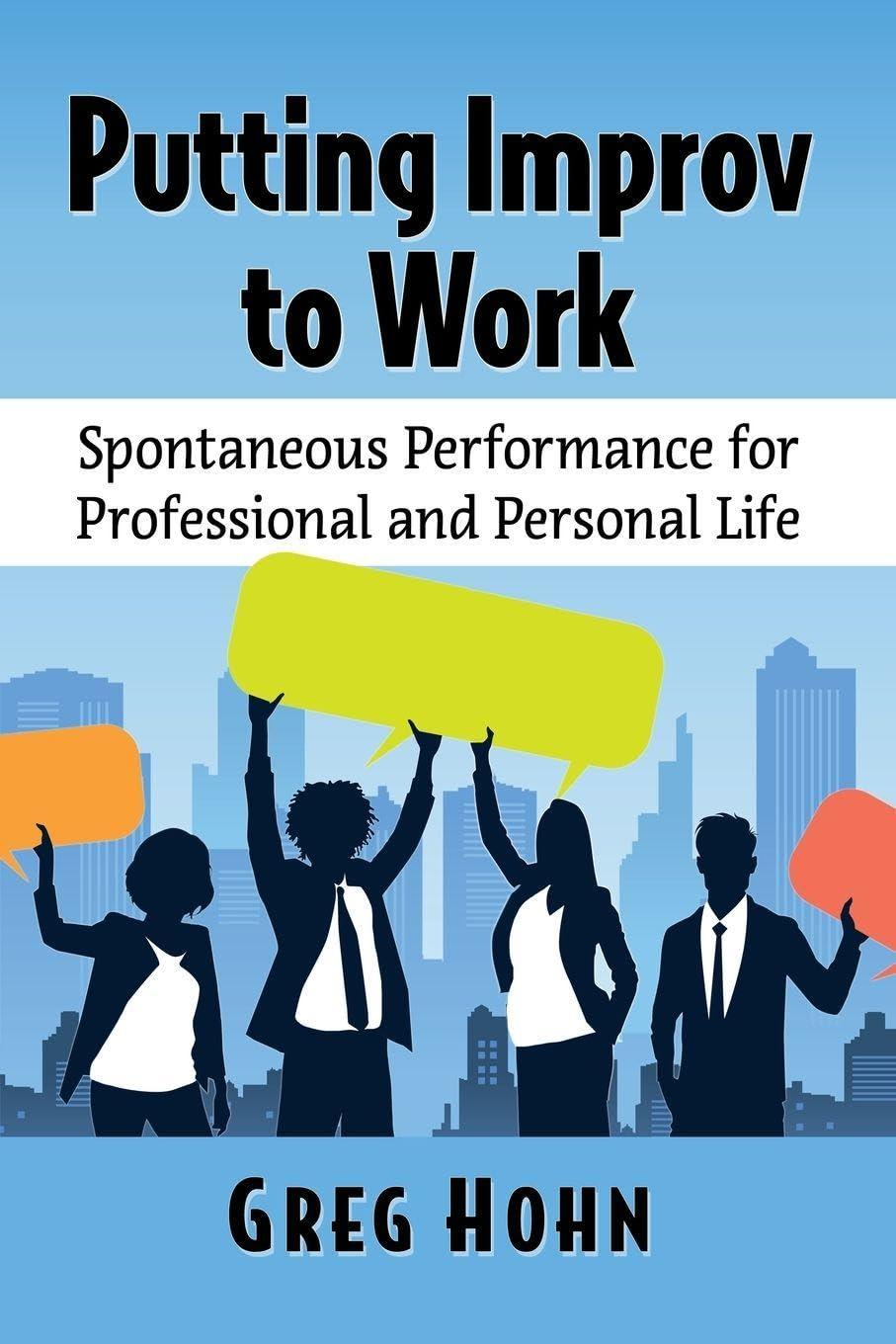
Putting Improv to Work
Spontaneous Performance for Leadership, Learning, and Life
Greg Hohn

Business Improv
Experiential Learning Exercises to Train Employees
Val Gee

The 5 Elements of Improv
How to Take Your Improv to the Next Level
Andrew M. Spragge; Karen L. Eichler
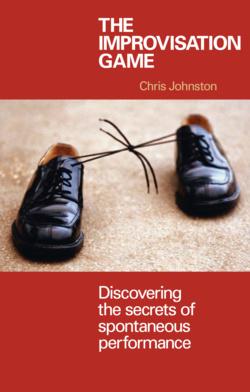
The Improvisation Game
Discovering the Secrets of Spontaneous Performance
Chris Johnston

Spontaneous Performance
Acting Through Improv
Marsh Cassady

You Can Teach Improv (Yes, You!)
The Ultimate Guide to Class Planning, Skill Building, and Helping Every Student Leave With a Win
Andrew Berkowitz
Related Exercises
Last Word Response
Last Word Response is an applied improv listening exercise in which each participant must begin their response with the last word spoken by the previous participant. The constraint enforces genuine end-of-utterance listening by making it physically impossible to begin a response until the previous speaker has completed their sentence. The exercise is used in applied improv to develop active listening skills in workplace and organizational settings.
First Word Best Word
First Word Best Word is an applied improv exercise and creative practice principle in which participants standing in a circle snap to a shared beat, with one person saying a word, the next saying a related word in rhythm, and the group repeating that word together before the next player offers theirs. The exercise builds on the improv principle that the first idea that arrives is often the most authentic, and that the habit of self-editing before speaking is the primary obstacle to genuine creative contribution.
Just Seven Words
Just Seven Words is an applied improv exercise that constrains each participant to responding with exactly seven words -- no more, no fewer. The constraint forces deliberate word choice, disrupts habitual overexplanation, and trains the ability to communicate precisely and completely within a tight limit. The exercise is used in applied improv to develop conciseness, clarity, and the discipline of editing thought before speaking.
Last Letter Scene
Last Letter Scene is a hybrid game and exercise in which each line of dialogue must begin with the last letter of the previous line. The constraint forces performers to listen with acute precision -- not to the general content of what is said but to the exact final sound of each utterance -- while maintaining scene coherence, character, and forward momentum simultaneously.
Last Letter
Last Letter is a verbal agility exercise in which each player must begin their word or sentence with the last letter of the previous player's word or sentence. The constraint forces constant attention to word endings and beginnings, preventing performers from pre-planning their responses. The exercise trains verbal awareness, the ability to think and speak simultaneously, and the habit of listening all the way to the end of a partner's contribution before formulating a response.
Repetition
Repetition is a paired listening exercise in which participants hold a conversation one sentence at a time, with each person required to repeat their partner's last statement before responding. The exercise forces genuine listening by making the repetition a prerequisite for the reply.
The Lineage
Explore the schools and structures that influenced or evolved from Last Word, First Word.
Improvise! (Max Dickins)
How to Reference This Page
The Improv Archive. (2026). Last Word, First Word. Retrieved September 29, 2026, from https://improvarchive.org/exercises/last-word-first-word
The Improv Archive. "Last Word, First Word." The Improv Archive, 2026. https://improvarchive.org/exercises/last-word-first-word.
The Improv Archive. "Last Word, First Word." The Improv Archive, 2026, https://improvarchive.org/exercises/last-word-first-word. Accessed September 29, 2026.
The Improv Archive is a systemically maintained repository. The archive itself acts as the corporate author.